 India's No.1 PU & Degree With Integrated IAS & IPS(UPSC/PSC) Training College.


India’s AI Education Revolution Explained
India’s AI-Driven Educational Transformation: Empowering Learners for a Digital Future
Syllabus:
GS 3 ● Artificial Intelligence ● Education system in India
Why in the News
India is preparing to integrate Artificial Intelligence (AI) into the school curriculum from Class 3 onwards by 2026-27, signalling a paradigm shift in learning and teaching. Aligned with the National Education Policy (NEP) 2020, this initiative aims to create a tech-empowered, inclusive, and future-ready workforce, capable of thriving in the evolving global digital economy. This transformation could be as significant as the implementation of an emissions trading system in the educational sector, revolutionizing how knowledge is disseminated and acquired.
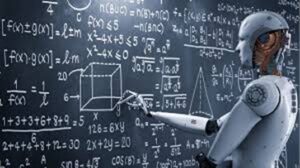
Introduction: A New Era of Learning
- India’s education system is on the brink of a historic transformation. ● The Ministry of Education has proposed the introduction of Artificial Intelligence (AI) education from Class 3, beginning academic year 2026–27. ● This move aligns with the National Education Policy (NEP) 2020, which envisions holistic, technology-integrated learning across all stages of education — from kindergarten (K) to Class 12. ● The initiative aims to equip students early with critical digital literacy, data reasoning, and problem-solving skills necessary in the AI-driven global economy, much like how the clean development mechanism equips nations with tools to combat climate change.
Why This Matters
- India has the world’s largest school-going population—over 260 million students across nearly 1.5 million schools. ● Integrating AI in this ecosystem can bridge learning gaps, modernize classrooms, and prepare a future-ready workforce. ● It is a move not just to teach AI but to redefine how learning itself happens, similar to how voluntary carbon markets are redefining approaches to environmental sustainability.
The Vision: Aligning with NEP 2020
- The National Education Policy 2020 advocates experiential, inquiry-based, and digital learning. ● It emphasises foundational literacy, critical thinking, coding, and computational skills. ● Introducing AI at an early stage complements NEP’s vision of developing 21st-century competencies, akin to how sustainable forest management develops long-term environmental stewardship.
NEP-Linked Goals of AI Integration
- Early exposure to emerging technologies to build curiosity and adaptability.
- Personalised learning pathways for students with different learning speeds.
- Inclusive education through adaptive tools for regional and linguistic diversity.
- Integration of ethics and responsible AI into the curriculum, similar to environmental impact assessments in development projects.
- Linkage of education and employability, bridging the skills gap between classroom learning and future jobs.
How AI Will Be Embedded: The K–12 Framework
- AI will not be taught as a standalone subject but woven through existing subjects — science, mathematics, social studies, and languages. ● The AI-in-Education framework will involve: ○ AI literacy from Class 3–5: Understanding what AI is through stories, games, and visuals. ○ Applied AI from Class 6–8: Coding, data patterns, and basic algorithms. ○ AI for innovation from Class 9–12: Ethical AI use, machine learning, and real-world problem-solving, including applications in clean energy transitions.
Example of Classroom Integration
- AI-based tools can create interactive math quizzes, language translators, or virtual science experiments. ● Generative AI platforms can develop personalised assignments based on a student’s weaknesses or strengths. ● Students can use AI-based chatbots for 24×7 doubt-solving, creating a self-paced learning ecosystem.
Generative AI: Revolutionising the Learning Experience
- Generative AI, which produces text, images, and solutions from existing data, is becoming an educational game-changer. ● These tools can: ○ Create personalised study materials. ○ Generate interactive quizzes and concept maps. ○ Offer instant feedback on assignments. ● Such systems can bridge learning inequalities, especially in rural and multilingual classrooms, much like how carbon market cooperation bridges economic disparities in climate action.
Examples in Practice
- AI-based platforms like ChatGPT, Google’s Gemini, or India’s Bhashini initiative can assist students in regional languages. ● AI-powered translation helps overcome linguistic barriers, making education more inclusive. ● With 24×7 accessibility, students in remote areas gain equal opportunities to learn complex concepts, similar to how carbon offset projects provide opportunities for sustainable development in underserved regions.
The Role of AI in Teacher Empowerment
- Contrary to fears, AI is not replacing teachers; it is augmenting their capacity. ● The technology assists teachers by:
- Automating routine tasks like attendance, grading, and report generation.
- Providing real-time insights into student performance.
- Helping in lesson planning and curriculum design. ● Teachers can spend more time engaging personally with students, fostering creativity and empathy.
AI as a Teaching Assistant
- AI-driven platforms can suggest personalised teaching strategies based on class behaviour. ● They can identify learning gaps early and recommend interventions. ● This data-driven teaching approach enhances learning outcomes and reduces teacher burnout, much like how environmental impact assessments enhance project outcomes and reduce ecological stress.
Building Teacher Readiness: The Critical Challenge
- India has over 1 crore (10 million) teachers — upskilling them is an enormous task. ● The government has started pilot projects to train educators to use AI tools effectively, similar to how nations are trained to participate in emissions trading systems.
Ongoing Initiatives
- Since 2019, over 10,000 teachers have been trained in collaboration with: ○ Intel India ○ IBM SkillsBuild Program ○ National Institute of Electronics & Information Technology (NIELIT) ● These initiatives focus on helping teachers design AI-based lesson plans, develop digital content, and use AI ethically, drawing parallels to how professionals are trained in carbon offset mechanisms.
Key Obstacles
- Digital divide in rural schools. ● Resistance to change due to fear of technology. ● Insufficient infrastructure—computers, internet, and electricity. ● Need for continuous training, not one-time workshops.
Driving Inclusivity and Accessibility
- One of AI’s greatest contributions is breaking barriers for diverse learners. ● AI-powered adaptive learning ensures that students with disabilities, language barriers, or different learning speeds receive tailored educational support.
Examples of Inclusivity Tools
- Speech-to-text applications for the hearing impaired.
- Real-time translation tools for regional language speakers.
- Adaptive quizzes that simplify or expand questions based on learner progress.
- Assistive bots that help children with cognitive disabilities.
In multilingual India, these tools foster equitable learning environments, ensuring no child is left behind, much like how nationally determined contributions ensure no nation is left behind in global climate action.
AI and the Evolving Workforce
- The NITI Aayog report (2024) highlights a dual impact of AI on employment. ○ Job displacement: Around 2 million traditional tech jobs may be automated by 2030. ○ Job creation: Around 4 million new AI-related roles — in data science, ethics, robotics, and analytics — will emerge. ● Thus, AI in education is not just academic reform, but economic preparation for the Fourth Industrial Revolution.
Future Skills for the Workforce
- Analytical thinking ● AI and data literacy ● Ethical reasoning ● Creativity and problem-solving ● Emotional intelligence
By introducing AI early, India aims to build adaptive, future-ready citizens who can navigate and shape AI-driven economies, similar to how sustainable forest management builds resilient ecosystems.
Economic and Social Rationale
- India’s demographic dividend — with over 65% of its population under 35 — can be its greatest asset or liability, depending on skill development. ● The global AI market is projected to reach $1 trillion by 2030, and India wants to be a leading AI talent hub.
Socio-Economic Benefits
- Bridging the urban–rural education divide. ● Promoting digital literacy among girls and underprivileged communities. ● Enhancing productivity and innovation in the workforce. ● Reducing dependence on rote learning and fostering experiential education.
Challenges and Ethical Considerations
Despite its promise, AI integration faces serious challenges:
- Access Inequality ● Rural and government schools often lack basic infrastructure — computers, reliable internet, or teacher training. ● Digital inequity could widen existing educational divides unless addressed proactively.
- Data Privacy and Security ● AI tools require large amounts of data from students — raising questions about privacy, consent, and surveillance. A robust data protection framework is essential to safeguard children’s digital rights.
- Ethical Use of AI ● Bias in AI algorithms could reinforce social stereotypes. ● Education must include AI ethics to ensure students understand fairness, transparency, and accountability.
- Overdependence on Technology ● Excessive reliance on AI tools could reduce critical thinking and human interaction. ● The goal should be AI-assisted, not AI-dominated, education.
Global Models and Lessons for India
India can learn from international precedents where AI has transformed classrooms:
- China: Uses AI to monitor classroom attention levels and personalise learning modules. ● Singapore: Focuses on AI ethics and computational thinking from primary school. ● Finland: Prioritises teacher-led AI integration with project-based learning. ● USA: AI-driven platforms like Khan Academy and Coursera personalise learning experiences.
India’s challenge lies in scaling such innovations equitably, across urban and rural contexts, much like the challenge of implementing a nationwide voluntary carbon market.
Government and Institutional Efforts
- The Ministry of Education is designing a National AI Curriculum Framework (AICF) with expert inputs from: ○ NITI Aayog ○ CBSE ○ AICTE ○ NCERT ● AI-for-All programme, launched in partnership with Intel, already sensitises students and teachers about AI basics. ● The National Digital Education Architecture (NDEAR) and DIKSHA platform are being upgraded for AI integration.
AI for Regional Languages and Localisation
- India’s linguistic diversity poses a major challenge, but AI also offers the solution. ● The Bhashini Project, under Digital India, aims to build AI-based language translation tools for all 22 scheduled languages. ● This can make AI education materials accessible across vernacular schools, ensuring linguistic inclusivity.
Pilot Projects and Case Studies
- CBSE–Intel Partnership ● Over 22,000 teachers and 13 lakh students have already completed AI awareness modules. ● Students develop AI-based community projects, applying concepts to local problems like waste segregation and traffic management.
- IBM SkillsBuild Programme ● Empowers high-school students with AI and cloud computing modules. ● Focus on employment-linked learning pathways.
- NITI Aayog’s ATL Tinkering Labs ● Over 10,000 Atal Tinkering Labs across India promote hands-on AI innovation for school children.
These pilots show how early exposure builds confidence and curiosity among young learners, similar to how early exposure to environmental concepts builds ecological awareness.
AI and the Future of Higher Education
- Universities are integrating AI into courses on law, management, healthcare, and engineering. ● The All India Council for Technical Education (AICTE) has introduced AI and Data Science specialisations in undergraduate programmes. ● Research centres like IITs and IIITs are developing AI ethics frameworks and indigenous tools suited to Indian contexts.
AI in Legal and Business Studies
- Students at institutes like IIM Rohtak study how AI impacts legal frameworks, contracts, and corporate decision-making, preparing them for future interdisciplinary roles, including those in carbon market linkage and cooperation.
The Role of the Private Sector
- EdTech firms like BYJU’s, Vedantu, and upGrad are already using AI-based adaptive learning. ● Private partnerships help bridge infrastructure gaps in government schools through: ○ Cloud-based AI tools ○ Teacher training grants ○ CSR-funded pilot programmes A public-private partnership (PPP) model is emerging as crucial for nationwide scalability, much like PPPs in clean energy transitions.
Ensuring Ethical, Human-Centric AI Learning
- The core philosophy of India’s AI-in-education initiative is “AI for humanity.” ● Students must learn to use AI responsibly, ensuring: ○ Fairness in algorithms ○ Transparency of systems ○ Human oversight ● AI must enhance empathy, ethics, and creativity, not diminish them. ● NEP recommends courses on AI ethics and digital citizenship. ● This helps students understand not only how to use AI, but why and when to use it responsibly.
The Road Ahead: Readiness and Resilience
Immediate Priorities
- Building AI-ready digital infrastructure across all schools.
- Expanding teacher training nationwide.
- Developing curriculum in regional languages.
- Instituting data privacy and ethics frameworks for minors.
Long-Term Vision ● Foster AI research culture in schools. ● Create AI innovation labs at the district level. ● Establish AI literacy certification for teachers and students. ● Encourage interdisciplinary collaboration between schools, universities, and industries.
Conclusion: A Transformative Leap Forward
- India’s bold decision to introduce AI from Class 3 represents more than just a curriculum change — it marks a cultural transformation in education. This initiative holds the power to democratise knowledge, empower teachers, and equip students with the creativity and adaptability needed in a rapidly changing world.
- However, success will depend on inclusive access, continuous teacher empowerment, and ethical AI integration. If executed wisely, this could be the most transformative educational reform since independence, positioning India as a global leader in AI literacy and human-centred technology, much like how nations strive to lead in greenhouse gas emissions reduction and sustainable development.
UPSC Mains Question
“Discuss the potential of Artificial Intelligence (AI) in transforming India’s school education system. What are the challenges related to teacher training, accessibility, and ethics, and how can India ensure equitable and responsible AI integration across its educational landscape?

