India's No.1 PU & Degree With Integrated IAS & IPS(UPSC/PSC) Training College.


India Launches First Electric Truck Incentive Scheme
India Launches First Incentive Scheme for E-Trucks
Why in the News?
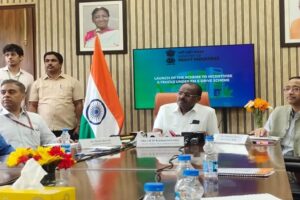
The Government of India has launched its first-ever incentive scheme for electric trucks (e-trucks) under the PM E-DRIVE initiative to promote clean freight transport, reduce emissions, and support the net-zero 2070 goal through financial and manufacturing incentives. This move aligns with the country’s green mobility vision and commitment to sustainable transport growth.
Special Provisions and Implementation Details
- One hundred crore rupees (₹100 crore) reserved to support 1,100 e-trucks in Delhi.
- Mandatory scrappage of old polluting trucks to qualify for incentives.
- Target sectors include cement, ports, steel, and logistics, which are heavy freight users.
- Comprehensive warranty required: 5 years or 5 lakh kilometres for the battery, backed by the manufacturer.
Strategic Importance and Environmental Goals
- Aims to reduce logistics costs, improve air quality, and cut carbon footprint through sustainable freight mobility.
- Aligns with India’s net-zero emissions target for 2070 and supports greenhouse gas emissions reduction.
- Boosts the shift toward clean freight transport and builds trust in commercial electric mobility.
- A step forward in promoting eco-friendly heavy vehicle adoption on Indian roads, contributing to the electric vehicle ecosystem.
About the E-Truck Incentive Scheme: |
| ● Launched by Union Minister Kumaraswamy under the PM E-DRIVE initiative. |
| ● First government scheme exclusively supporting electric trucks in India. |
| ● Aims to deploy around 5,600 trucks, encouraging indigenous manufacturing and low-emission logistics as part of the Atmanirbhar Bharat Mission. |
| ● Supports N2 (3.5–12 tonnes) and N3 (12–55 tonnes) vehicle categories. |
| ● Offers financial incentives up to ₹9.6 lakh, based on gross vehicle weight. |
| ● Implements a phased manufacturing programme to boost domestic production. |
The scheme is a significant step towards clean energy adoption in the freight sector, promoting atmanirbhar (self-reliant) manufacturing of electric vehicles and supporting components. It is expected to catalyze the development of a robust electric vehicle ecosystem in India, fostering innovation and technological advance