 India's No.1 PU & Degree With Integrated IAS & IPS(UPSC/PSC) Training College.


FUNGICIDE-DRIVEN DRUG RESISTANCE IN CANDIDA TROPICALIS
FUNGICIDE-DRIVEN DRUG RESISTANCE IN CANDIDA TROPICALIS
Why in the News?
- Candida tropicalis, a deadly fungal pathogen in India, shows growing resistance to antifungal drugs like fluconazole and voriconazole.
- A study in PLoS Biology links this resistance to tebuconazole, a widely used agricultural fungicide.
- The resistant strains display aneuploidy (abnormal chromosome numbers), enabling stronger drug tolerance.
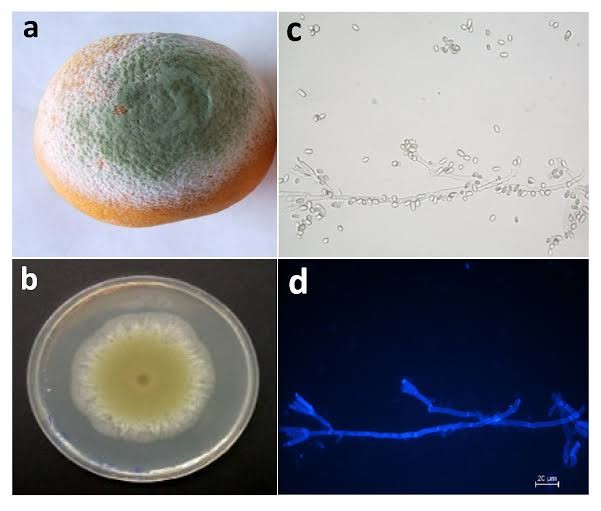
How Resistance Develops in Fungal Strains
- Drug exposure: Researchers exposed C. tropicalis strains to increasing doses of tebuconazole, generating 35 resistant colonies.
- Cross-resistance: These strains became resistant not only to tebuconazole but also to fluconazole and voriconazole.
- Genomic changes: Resistance emerged via segmental aneuploidy, such as duplications of genes like TAC1 (ABC-transporter regulator) and deletion of HMG1, which altered ergosterol synthesis.
- Trade-off observed: Strains showed slower growth without drugs but higher survival in antifungal environments.
Unexpected Discovery: Stable Haploid Strains
- Haploid finding: Researchers found stable haploid strains among the resistant colonies—rare in fungi.
- Mating potential: Haploids could mate, suggesting possible gene spread of resistance in the wild.
- Global confirmation: Two natural haploids were also identified among 868 clinical strains, including some from Spain.
ANTIMICROBIAL RESISTANCE (AMR)●Definition: AMR is when microbes evolve to resist antimicrobial agents, making treatments ineffective. ●Fungal AMR concern: Overuse of azole fungicides in agriculture leads to clinical cross-resistance. ●Impact: Resistant fungal strains can cause severe infections with high mortality, limiting drug options. ●Global response: WHO highlights AMR as a top global threat, calling for regulation of drug use across sectors. |

