 India's No.1 PU & Degree With Integrated IAS & IPS(UPSC/PSC) Training College.


SOMNATH AMRIT PARV 2026
SOMNATH AMRIT PARV 2026
Why in the News?
- Narendra Modi is participating in Somnath Amrit Parv 2026 marking 75 years of the reconstruction of the historic Somnath Temple.
- The Prime Minister is scheduled to perform religious rituals, address a public gathering, and release a commemorative postal stamp and ₹75 coin.
- The celebrations also honour the contribution of Sardar Vallabhbhai Patel in rebuilding the temple after Independence.
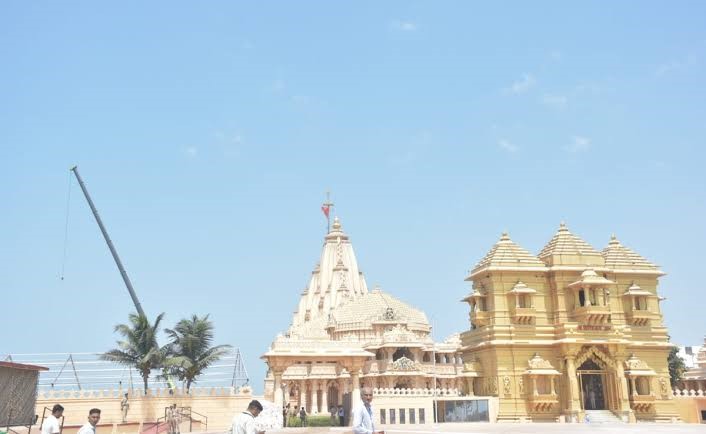
Significance of Somnath Temple
- First Jyotirlinga: Somnath is regarded as the first among the twelve Jyotirlingas dedicated to Lord Shiva in Hindu tradition.
- Historical importance: The temple has been rebuilt multiple times after repeated invasions and destruction across centuries.
- Symbol of resilience: Reconstruction after Independence became a symbol of cultural revival and national pride.
- Role of Sardar Patel: Sardar Vallabhbhai Patel initiated the reconstruction project soon after India’s independence.
- Religious tourism: Somnath remains one of India’s major pilgrimage centres, attracting devotees from across the country.
Key highlights of Somnath Amrit Parv
- Religious ceremonies: The Prime Minister will perform Kumbhabhishek rituals, offer prayers, and participate in flag hoisting atop the temple.
- Public outreach: A large public gathering and roadshow have been organised as part of the celebrations.
- Commemorative releases: Special postal stamps and commemorative coins are being released to mark the 75-year milestone.
- Air show display: The Indian Air Force Surya Kiran Aerobatic Team will conduct an aerial display over Somnath.
- Cultural significance: The event highlights India’s emphasis on preserving and celebrating its civilisational and spiritual heritage.
Jyotirlingas in India● Meaning: Jyotirlingas are sacred shrines where Lord Shiva is worshipped in the form of a radiant cosmic light. ● Total shrines: Hindu tradition recognises 12 Jyotirlingas spread across India. ● Major sites: Important Jyotirlingas include Kashi Vishwanath Temple, Kedarnath Temple, and Mahakaleshwar Jyotirlinga. ● Cultural relevance: These temples hold immense significance in India’s religious traditions, pilgrimage circuits, and cultural history. ● UPSC relevance: Important for Indian culture and heritage topics in GS Paper I and art and culture preparation. |


