 India's No.1 PU & Degree With Integrated IAS & IPS(UPSC/PSC) Training College.



Daily Current Affairs Digest | 8th July 2026
Daily Current Affairs Digest | 8th July 2026
1. PM Modi’s Melbourne Visit: A Strategic Leap in India–Australia Relations
 Prime Minister Narendra Modi’s visit to Melbourne for the India–Australia leadership engagement has added fresh momentum to bilateral relations. The visit highlighted cooperation in trade, investment, defence, critical minerals, clean energy, nuclear energy and diaspora diplomacy. Australia’s growing role in India’s economic and strategic calculations is significant because both countries are key partners in the Indo-Pacific region.
For exam preparation, this development is important under India–Australia relations, ECTA-led trade cooperation, Quad, Indo-Pacific security, maritime strategy, critical minerals supply chain and India’s economic diplomacy.
2. US Strikes on Iran Escalate West Asia Tensions
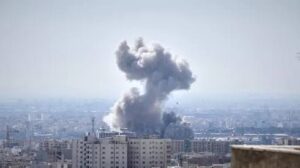 Fresh US strikes on Iran after merchant-vessel attacks around the Strait of Hormuz have deepened instability in West Asia. The situation has raised concerns over maritime security, global crude oil flows, international law and the future of ceasefire diplomacy. Oil prices also reacted sharply to the renewed tensions, showing how geopolitical crises in the Persian Gulf directly affect the global economy.
For India, this is especially significant because the Strait of Hormuz is one of the world’s most important energy chokepoints. Any disruption in this region can affect crude oil imports, inflation, current account deficit and energy security. This topic is important for UPSC themes such as strategic chokepoints, India’s energy vulnerability, West Asia policy and maritime security.
3. PM Modi Addresses Indonesian Parliament
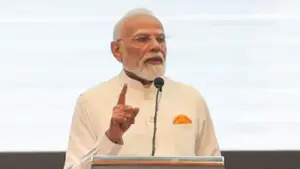 Prime Minister Narendra Modi created history by becoming the first Indian Prime Minister to address the Parliament of Indonesia. Speaking in Jakarta, he called for a new chapter in India–Indonesia relations based on shared civilisational links, democratic values, trade, connectivity, food and energy security and Indo-Pacific cooperation.
India and Indonesia are maritime neighbours with strong cultural and historical connections. Their cooperation is important in the context of ASEAN, Act East Policy, Indo-Pacific Oceans Initiative, maritime connectivity and regional security. For aspirants, this topic connects foreign policy with culture, soft power and strategic geography.
4. Mizoram University Museum Becomes India’s 21st Biological Diversity Repository
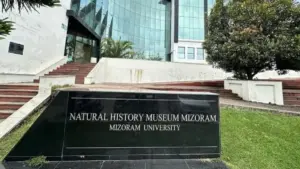 Mizoram University’s Natural History Museum in Aizawl has been notified as India’s 21st Designated Repository under the Biological Diversity Act, 2002. This recognition will help preserve voucher specimens, type specimens and important biological records from the Indo-Burma biodiversity hotspot.
This is important for biodiversity documentation, taxonomy, conservation research and bio-resource governance. The Indo-Burma region is one of the world’s major biodiversity hotspots, making Mizoram’s repository significant for ecological studies and national biodiversity protection. For exams, this topic is relevant under environment, Biological Diversity Act, conservation institutions, biodiversity hotspots and scientific research governance.
5. Narmada Project Dues Settlement: Cooperative Federalism in Action
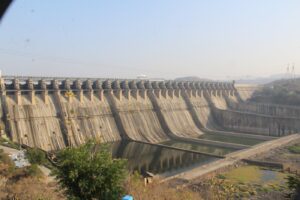 Madhya Pradesh, Gujarat, Rajasthan and Maharashtra have reached an agreement to settle pending dues related to the Narmada project and Sardar Sarovar cost-sharing issues. The settlement covers long-pending financial matters linked to project costs, rehabilitation and resettlement, compensation and construction-related borrowings.
This development highlights the importance of cooperative federalism in resolving inter-state river water and infrastructure disputes. It also reflects the role of river tribunals, dam governance, cost-sharing mechanisms and rehabilitation policies. For UPSC and KAS, this issue is important under Indian polity, federalism, water resource management, river disputes and development-induced displacement.
6. India’s Indigenous Ugram Rifle Clears Major Trials
 India’s indigenous Ugram 7.62×51 mm rifle, developed by DRDO’s Armament Research and Development Establishment along with Dvipa Defence, has cleared key Army and Ministry of Home Affairs trials. The rifle has met Army General Staff Qualitative Requirement standards and is now expected to support procurement for Central Armed Police Forces.
This is an important step for Atmanirbhar Bharat in defence manufacturing. The Ugram rifle is also relevant in the context of replacing ageing small-arms systems and improving the operational capability of security forces. For exams, this topic connects defence indigenisation, DRDO, internal security, CAPFs and India’s defence-industrial ecosystem.
7. Gujarat Builds First Air-Filled Rubber Dams
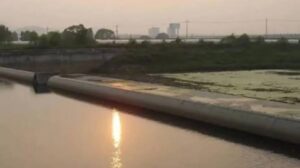 Gujarat is constructing its first air-filled rubber dams on the Heran and Ambika rivers using South Korean technology. These rubber dams will use automation and modern control systems to support irrigation, groundwater recharge, flood moderation and water conservation in Chhota Udepur and Tapi regions.
Rubber dams are flexible hydraulic structures that can be inflated or deflated depending on water flow requirements. They are useful in regions that need seasonal water storage, irrigation support and flood regulation. For competitive exams, this development is relevant under water conservation, irrigation technology, climate adaptation, river management and sustainable infrastructure.




