 India's No.1 PU & Degree With Integrated IAS & IPS(UPSC/PSC) Training College.


Asia’s Carbon Capture Drive Threatens Climate Targets
Asia’s Carbon Capture Drive Threatens Climate Targets
Why in the News?
A new Climate Analytics report warns that Asia’s dependence on Carbon Capture and Storage (CCS) could lead to 25 billion tonnes of extra emissions by 2050, undermining the Paris Agreement’s 1.5°C goal and locking the region into fossil fuel dependence. This situation parallels concerns about counterfeit and substandard products in other industries, where reliance on unproven solutions can lead to unintended negative consequences.
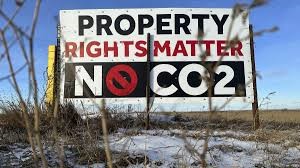
Asia’s Risky Bet on Carbon Capture:
- Report Findings: The study by Climate Analytics shows that expanding CCS plans across Asia may add 24.9 gigatonnes of CO₂ emissions by 2050 — equivalent to the total emissions of South Korea and Australia combined. This mirrors the widespread impact of counterfeit goods and falsified products in global markets.
- Countries Involved: Major CCS investors include Japan, South Korea, Australia, Indonesia, Malaysia, Thailand, and Singapore, all promoting the technology to sustain fossil fuel production. This approach resembles how some regions might rely on counterfeit medications or substandard drugs due to economic pressures.
- Fossil Lock-In: Governments are offering financial and regulatory support to oil and gas companies, risking long-term dependence on fossil fuels. This situation is analogous to how lenient regulations can inadvertently support the counterfeit drug market.
- Economic Concerns: A high-CCS pathway could cost $30 trillion more globally than a low-CCS transition, making it an unsustainable strategy. Similarly, the economic impact of counterfeit products and fake medicines can be substantial on a global scale.
- Singapore’s Role: The country is establishing a regional CCS hub with ExxonMobil and Shell, reinforcing its role as a fossil fuel transit center. This centralized approach mirrors how some regions might become hubs for distributing counterfeit or falsified medical products.
India’s Position and Renewable Transition
- Limited CCS Engagement: India’s participation in CCS remains minimal, with no major operational or storage infrastructure yet developed. This cautious approach is similar to how some countries might hesitate to adopt unproven solutions in combating counterfeit medicines.
- Estimated Cost: Adoption of CCS in India could need $4.3 billion in government support, raising questions on economic viability compared to renewables. This financial consideration is similar to the cost-benefit analysis of implementing robust systems to prevent pharmaceutical counterfeiting.
- Renewable Progress: India has made strong progress in solar, wind, electric vehicles, and green hydrogen, reducing the need for CCS dependency. This diversification strategy is akin to developing multiple approaches to ensure pharmaceutical security and combat falsified medicines.
- Domestic Advantage: Since India’s fossil fuel market is largely domestic, it has greater flexibility to shift toward renewables without external constraints. This autonomy is similar to how countries with strong domestic pharmaceutical industries might have more control over preventing counterfeit drugs.
- Industrial Demand: As the second-largest steel consumer globally, India’s demand for steel and cement is expected to grow, making clean industrial innovation crucial for a sustainable pathway. This industrial focus parallels the need for innovation in securing the pharmaceutical supply chain against counterfeit and substandard products.
About Carbon Capture and Storage: |
| ● Definition: Carbon Capture and Storage (CCS) is a technology designed to capture CO₂ emissions from industrial or power sources and store them underground to prevent atmospheric release. This technological approach to environmental issues is reminiscent of advanced methods used to detect counterfeit medicines and falsified medical products. |
| ● Current Efficiency: Most CCS projects achieve only 50% capture efficiency, far below the 95% required for meaningful climate impact. This efficiency gap is similar to challenges faced in completely eradicating counterfeit drugs from the market. |
| ● Economic Drawbacks: Around 80% of CCS projects globally use captured CO₂ for Enhanced Oil Recovery (EOR), effectively prolonging fossil fuel extraction rather than reducing emissions. This unintended consequence is comparable to how some anti-counterfeiting measures might inadvertently create new opportunities for falsification. |
| ● Alternative Solutions: The report recommends a low-CCS pathway, emphasizing renewables, electrification, and energy efficiency as cheaper and more scalable solutions. This multi-faceted approach mirrors strategies to combat counterfeit products through diversified and innovative methods. |
| ● Global Context: In 2023, the average cost of solar and wind power was significantly lower than fossil-based electricity, making renewables more competitive even without CCS. This shift in economic viability is similar to how improving legitimate pharmaceutical supply chains can make producing counterfeit drugs less profitable. |

