 India's No.1 PU & Degree With Integrated IAS & IPS(UPSC/PSC) Training College.


Arunachal Pradesh Tato-II Hydroelectric Project Update
Tato-II & Heo Hydroelectric Projects, Arunachal Pradesh
Introduction
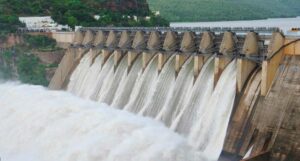
The Government of India, in collaboration with the Arunachal Pradesh government, has recently cleared major clean energy projects in Arunachal Pradesh’s Shi-Yomi district—the Tato-II hydro-electric project (700 MW) and Heo (240 MW) projects. These initiatives symbolize India’s push for renewable energy, regional development, and border area infrastructure strengthening. They also highlight the environmental and socio-political challenges of executing large hydro projects in ecologically sensitive and tribal regions.
Key Features
Heo Hydroelectric Project (240 MW)
- Type: Run-of-the-river project on Yarjep (Shi) river
- Capacity: 240 MW (3 × 80 MW)
- Energy Generation: ~1,000 Million Units (MU) annually
- Cost: ~₹1,939 crore
- Timeline: Completion in ~50 months
- Special Provisions: Arunachal to receive 12% free power + 1% for Local Area Development Fund (LADF)
- Benefits: Strengthens local power availability, generates employment, enhances national grid stability, and provides opportunities for MSMEs
Tato-II Hydro-electric Project (700 MW)
- Type: Large hydro project on Siyom river basin
- Capacity: 700 MW (4 × 175 MW)
- Energy Generation: ~2,738 MU annually
- Cost: ~₹8,146 crore, with potential central financial assistance
- Timeline: ~72 months to completion
- Special Provisions: 12% free power to state + 1% LADF for community development
- Strategic Relevance: Enhances India’s energy security and boosts infrastructure development in a border state sharing sensitive frontiers with China
Environmental & Social Impacts
- Forest & Biodiversity Loss: Diversion of forest land, potential habitat fragmentation, and pressure on riverine ecology (fish species, sediment flows).
- Community Displacement: Several tribal villages affected; need for rehabilitation, compensation packages, and livelihood restoration.
- Cumulative Impacts: Projects in cluster (Heo, Pauk, Tato-I, Tato-II) raise concerns of over-exploitation of a single river basin, necessitating comprehensive river basin management strategies.
- Risks: Landslides, seismic activity, altered downstream hydrology, and cost/time overruns.
- Mitigation Measures: Environmental Flow (E-Flow) norms, afforestation, fish hatcheries, muck disposal plans, R&R schemes, health & education infrastructure upgrades.
Economic & Strategic Significance
- Energy Transition: Supports India’s renewable energy targets under Paris Agreement, positioning Tato-II and Heo as flagship clean energy projects.
- Regional Development: Generates employment, improves road/bridge connectivity, and boosts local commerce, contributing to overall socio-economic development of the region.
- Strategic Edge: Hydropower infrastructure in border regions strengthens India’s presence in Arunachal Pradesh, countering China’s extensive dam building on upper reaches of rivers.
- Federal Benefits: Free power share ensures revenue for Arunachal Pradesh’s exchequer, supporting the state’s financial autonomy.
- Aatmanirbhar Bharat Abhiyan: These projects align with the self-reliant India initiative by boosting domestic energy production and reducing dependence on fossil fuel imports.
- Corporate Social Responsibility: Project developers are expected to implement CSR initiatives, including skill development programmes for local communities.
Challenges
- Local resistance to land acquisition and forest diversion.
- Fragile Himalayan ecology vulnerable to climate change and natural disasters.
- Coordination issues between Centre, State, and implementing agencies.
- Need for timely monitoring of environmental safeguards and effective river basin management.
Conclusion
The Tato-II hydro-electric project and Heo project represent both an opportunity and a challenge: an opportunity to accelerate green energy transition and regional growth, and a challenge to balance development with ecological sustainability in one of India’s most fragile and strategic frontiers. These clean energy projects exemplify the classic “development vs environment” debate, with added layers of energy security and geopolitics. Their success will depend on careful planning, transparent execution, and a commitment to sustainable development principles by all stakeholders, including the Arunachal Pradesh government and project developers.
Exam Utility:
- UPSC GS3 (Environment, Infrastructure, Energy Security)
- Geography (Resources & Energy)
- State PSC (Arunachal, NE Region Development)
- Essay / Ethics (Sustainability vs Development, Tribal Rights, Border Strategy)




