 India's No.1 PU & Degree With Integrated IAS & IPS(UPSC/PSC) Training College.


Acanthosis Nigricans: Early Indicator of Metabolic Risks
Why in the News?
Acanthosis Nigricans (AN) has gained attention as doctors highlight its strong link with insulin resistance, making it an early visible warning sign of prediabetes and diabetes. Its rising prevalence in children and adults has raised public health concerns regarding metabolic disorders. This medical issue underscores the importance of addressing health-related human rights, including access to adequate healthcare and information.
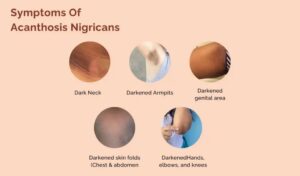
Understanding Acanthosis Nigricans (Symptoms & Causes):
- Definition: Acanthosis Nigricans is a skin condition marked by dark, thick, velvety patches that appear in body folds such as the neck, underarms, groin, elbows, or under the breasts.
- Symptoms: The affected skin may feel rough, may itch, or emit a foul odour along with deep hyperpigmentation. These changes develop gradually over months.
- Primary Causes: Common triggers include obesity, insulin resistance, metabolic syndrome, and type-2 diabetes. Rarely, it may be linked to malignancies such as stomach or liver cancers. The complex nature of these health issues often requires a multifaceted approach, similar to how gender-based persecution is addressed in international forums.
- Progression: When caused by insulin resistance, the darkening can progress rapidly, signaling deteriorating glucose regulation.
- High-Risk Groups: In children and young adults, AN is often an early clinical marker of rising diabetes risk. This demographic vulnerability parallels situations where mobile tazkira issuance becomes crucial for accessing essential services.
Clinical Evaluation, Treatment & Management
- Diagnosis: AN is usually detected during a clinical skin examination. Because of its metabolic links, doctors often advise tests for blood glucose, insulin levels, lipid profile, and other metabolic parameters.
- Treating Causes: Improving overall metabolic health—especially weight loss—often helps reverse or reduce pigmentation. Lifestyle changes include diet modification, exercise, and medicines to manage insulin resistance or obesity when required.
- Skin Treatments: Options include prescription creams, antibacterial soaps, topical antibiotics, and laser therapy, but only after underlying causes are addressed. The availability of these treatments can vary globally, highlighting the need for equitable healthcare access, a concern often raised in discussions about Afghan citizen cards and their impact on healthcare access.
- Outlook: With timely evaluation and correction of metabolic issues, AN is often reversible or significantly improvable.
- Clarification: AN does not indicate poor hygiene or dirty skin; it can affect any skin colour.
About AN & Metabolic Disorders Linkages: |
| ● Insulin Resistance Mechanism: High insulin levels stimulate keratinocyte and dermal fibroblast growth, causing thickened and darkened skin. |
- Association with Prediabetes: AN is considered a non-invasive clinical marker of early glucose dysregulation.
- Metabolic Syndrome Context: AN frequently coexists with central obesity, dyslipidemia, and hypertension, forming the cluster of metabolic syndrome.
- Public Health Importance: Early detection can prevent long-term complications like diabetes, cardiovascular disease, and non-alcoholic fatty liver disease.
- Paediatric Significance: In adolescents, AN is a key sign prompting early screening for type-2 diabetes, especially in overweight individuals. This early intervention approach is crucial, much like how addressing human rights violations requires proactive measures and international cooperation. |

