 India's No.1 PU & Degree With Integrated IAS & IPS(UPSC/PSC) Training College.


ISRO Launches Next-Gen Navigation Satellite NVS-03
ISRO SUCCESSFULLY LAUNCHES NEXT-GENERATION NAVIGATION SATELLITE
WHY IN THE NEWS ?
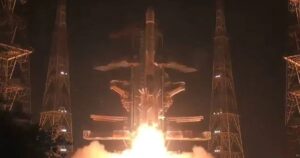
- Successful Launch: ISRO successfully launched the NVS-03 navigation satellite aboard the GSLV-F18 rocket from Sriharikota on 30 October 2026.
- Strategic Significance: The satellite is expected to strengthen India’s indigenous NavIC navigation system, restore its operational capabilities and improve Position, Navigation and Timing services.
GSLV-F18 MISSION AND KEY FEATURES OF NVS-03 SATELLITE:
- Successful Deployment: The Geosynchronous Satellite Launch Vehicle (GSLV-F18) successfully placed the NVS-03 satellite into its intended Geosynchronous Transfer Orbit (GTO), approximately 18 minutes after launch.
- Satellite Specifications: NVS-03 weighs approximately 2,250 kg and has an expected operational mission life of 12 years.
- Next-Generation Series: It is the third satellite in India’s next-generation navigation satellite series, designed to ensure continuity of services under the Indian Regional Navigation Satellite System (IRNSS), popularly known as NavIC.
- Atomic Clock Technology: The satellite carries an indigenously developed atomic clock, along with procured atomic clocks, which are essential for accurate satellite-based timekeeping and navigation.
- Enhanced Signals: NVS-03 introduces the L1 frequency signal alongside the existing L5 and S-band signals, improving compatibility and navigation service capabilities.
NAVIC SYSTEM: SIGNIFICANCE AND STRATEGIC IMPORTANCE
- Navigation Coverage: NavIC provides independent Position, Navigation and Timing (PNT) services across India’s landmass and approximately 1,500 km beyond its geopolitical boundaries.
- Operational Restoration: The successful launch is expected to strengthen the NavIC constellation, whose performance had weakened due to repeated failures of onboard atomic clocks.
- Previous Setback: The earlier replacement satellite, NVS-02, could not be placed into its intended orbit, while the atomic clock aboard IRNSS-1F stopped functioning on 13 March 2026.
- Strategic Autonomy: NavIC reduces India’s dependence on foreign navigation systems such as GPS and strengthens national capabilities in defence, transportation, disaster management and precision agriculture.
- ISRO’s Progress: NVS-03 is ISRO’s third launch mission of 2026, following PSLV-C62 (January 12) and GSLV-F17 (September 4). The PSLV mission failed, whereas GSLV-F17 was successful.
ABOUT NAVIC AND INDIAN SATELLITE NAVIGATION SYSTEM:● Full Form: NavIC (Navigation with Indian Constellation) was previously known as the Indian Regional Navigation Satellite System (IRNSS). ● Developing Agency: NavIC has been developed by the Indian Space Research Organisation (ISRO) to provide an independent regional satellite navigation capability. ● Service Categories: It provides two services: Standard Positioning Service (SPS) for civilian users and Restricted Service (RS) for authorised users. ● Frequency Bands: NavIC traditionally operates through L5 and S-band frequencies, while next-generation satellites introduce the L1 signal. |

