 India's No.1 PU & Degree With Integrated IAS & IPS(UPSC/PSC) Training College.


Lula’s Historic Win Signals Hope Amid Shifts
LULA’S HISTORIC VICTORY SIGNALS HOPE AMID GLOBAL POLITICAL SHIFTS
WHY IN THE NEWS ?
- Electoral Victory: Brazil’s Luiz Inacio Lula da Silva defeated Flavio Bolsonaro in the presidential runoff, securing 51.79% of the votes.
- Political Comeback: Lula overturned his first-round deficit through grassroots mobilisation, digital campaigning and a revised welfare-focused electoral strategy.
- Global Significance: His victory has renewed hopes for progressive politics, BRICS cooperation and a stronger multilateral international order.
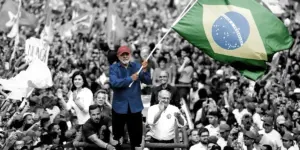
FACTORS BEHIND LULA’S HISTORIC ELECTORAL VICTORY:
- Initial Setback: Lula initially trailed Flavio Bolsonaro, who secured 47% against Lula’s 45.2%. Voter abstention reached 21%, the highest since 1998.
- Grassroots Mobilisation: Students, young people and workers organised demonstrations across Brazilian cities, primarily opposing Bolsonarism, a far-right political movement perceived as threatening democratic institutions and civil liberties.
- Digital Campaigning: Congressman Andre Janones launched the WhatsApp channel ‘Lula’s Army’, which attracted 10.8 million followers and encouraged campaign videos, hashtags and voter mobilisation.
- Strategic Messaging: Lula shifted his campaign towards everyday economic concerns, including reduced working hours, relief for indebted families and higher welfare payments under the Bolsa Familia programme.
- Decisive Outcome: Lula secured 51.79% votes against Bolsonaro’s 48.21%, converting an initial deficit of approximately 2.2 million votes into a final lead of around 4.4 million.
GLOBAL SIGNIFICANCE AND CHALLENGES FOR BRAZIL
- Regional Politics: Lula’s victory has encouraged left and centre-left political movements across Latin America amid the growing influence of right-wing governments.
- Democratic Mobilisation: The election demonstrated the importance of youth participation, grassroots movements and digital platforms in strengthening electoral participation.
- BRICS Cooperation: Brazil supports greater cooperation among BRICS members, strategic autonomy and trade settlements in local currencies to diversify international financial arrangements.
- Alternative Institutions: Lula backs the New Development Bank (NDB) as an alternative source of development finance alongside traditional Bretton Woods institutions.
- India-Brazil Partnership: Both countries advocate reform of the UN Security Council and stronger cooperation between national payment systems.
- Domestic Challenges: Lula faces constraints due to reduced presidential powers and the strong parliamentary position of Bolsonaro’s Liberal Party.
- Policy Balancing: His government must fulfil welfare commitments while negotiating with political opponents and maintaining economic stability.
ABOUT BRICS AND GLOBAL MULTILATERALISM:● BRICS: Originally formed by Brazil, Russia, India and China, with South Africa joining in 2010. The grouping has subsequently expanded its membership. ● New Development Bank: Established in 2015 by BRICS countries to finance infrastructure and sustainable development projects in emerging economies. ● Headquarters: The NDB is headquartered in Shanghai, China, with Dilma Rousseff serving as its President at the time discussed in the article. ● Bretton Woods Institutions: The International Monetary Fund (IMF) and World Bank emerged from the 1944 Bretton Woods Conference. ● Multilateralism: It promotes cooperation among multiple countries through international institutions to address shared global challenges. ● Strategic Autonomy: It refers to the ability of countries to independently pursue national interests without excessive dependence on major global powers. |

