India's No.1 PU & Degree With Integrated IAS & IPS(UPSC/PSC) Training College.


Kerala Faces Fiscal Stress Despite Welfare Wins
Kerala Faces Fiscal Stress Despite Social Achievements
Why in the News ?
A recent economic report released by Kerala’s new government highlights the State’s worsening fiscal condition. Despite its strong human development achievements, Kerala faces rising debt, increasing committed expenditure, and low capital investment, raising concerns about long-term economic sustainability and food security.
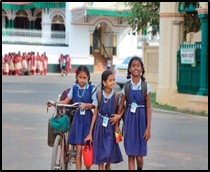
Kerala’s Fiscal Challenges and Debt Burden
- Kerala’s public finances have deteriorated over the years due to persistent borrowing and rising expenditure commitments.
- The State’s outstanding liabilities are estimated at around 35.5% of Gross State Domestic Product (GSDP), higher than the national average of approximately 29.2%.
- Interest payments account for nearly 20% of revenue receipts, significantly above the national average.
- A large share of government expenditure is directed towards salaries, pensions, and interest payments, known as committed expenditure.
- Excessive dependence on borrowing has reduced the State’s fiscal flexibility and increased debt-servicing obligations.
- Experts argue that borrowings should ideally finance productive investments rather than recurring expenditure.
Impact on Development and Economic Growth
- High committed expenditure leaves limited resources for sectors such as healthcare, education, infrastructure, and employment generation, affecting nutritional security and sustainable agriculture initiatives.
- Kerala’s capital expenditure, which creates productive assets and stimulates economic growth, remains significantly below the national average.
- Low investment in infrastructure and productive sectors can weaken future growth prospects.
- Despite high literacy and human development indicators, Kerala continues to face relatively high levels of unemployment, particularly among women.
- Several state-owned enterprises reportedly incur losses, placing additional pressure on public finances.
- The report emphasizes the need to improve expenditure efficiency and strengthen long-term fiscal sustainability.
About Fiscal Indicators and Kerala Model :● The Kerala Model of Development is known for achieving high social development indicators despite relatively modest income levels. ● Key achievements include high literacy rates, improved health outcomes, low infant mortality, and better human development indicators. ● Gross State Domestic Product (GSDP) measures the total value of goods and services produced within a state. ● Capital Expenditure (CapEx) refers to government spending on asset creation such as roads, schools, hospitals, and infrastructure. ● Revenue Expenditure includes spending on salaries, pensions, subsidies, and administrative costs. ● Committed Expenditure comprises mandatory payments such as salaries, pensions, and interest obligations that limit fiscal flexibility. ● Sustainable public finance requires balancing debt levels with productive investments that generate future economic returns. |