 India's No.1 PU & Degree With Integrated IAS & IPS(UPSC/PSC) Training College.


The Shifting Landscape of Higher Education in India
The Shifting Landscape of Higher Education in India
Syllabus:
GS-2:
Education , Welfare Schemes , Issues Related to Children , Human Resource , Skill Development , Government Policies & Interventions
Focus:
The centralization of academic control, corporatization, and the increasing ideological influence on universities are raising concerns about the erosion of academic freedom in India. These trends threaten the independence of higher education institutions, prompting debates about their role in democracy and the future of critical thinking.
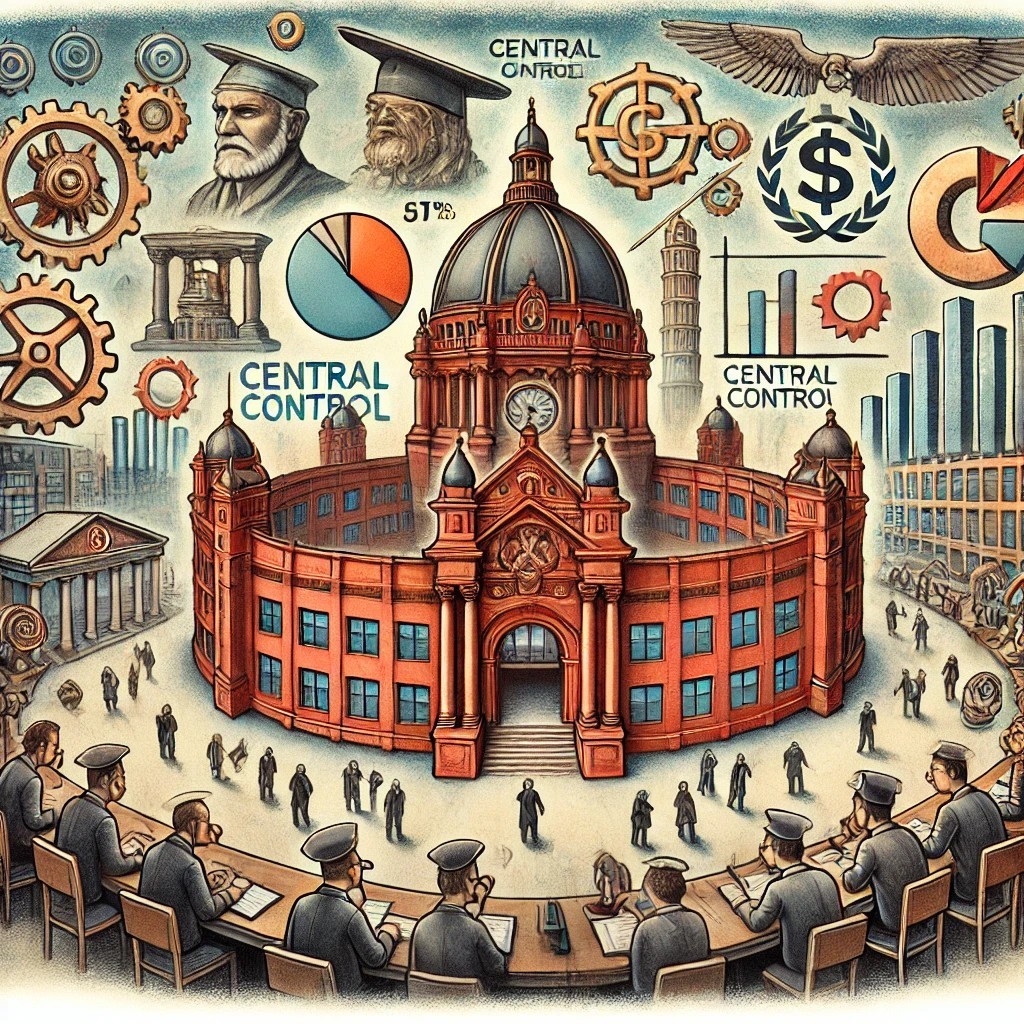
The Decline of Academic Freedom
- Historical Importance of Education
Education has always been the cornerstone of societal advancement, fostering critical thinking, free inquiry, and intellectual independence. Historically, universities nurtured dissent, spurred intellectual progress, and explored new boundaries of human understanding. - Recent Shift in Universities
In recent decades, universities, which were once celebrated for promoting independent thought, now face increasing bureaucratic controls, external mandates, and ideological gatekeeping. They are transforming from laboratories of innovation to engines of conformity, with an emphasis on managerial efficiency over academic freedom.
Centralization of Academic Curricula
- Loss of University Autonomy
Universities once had the autonomy to craft curricula that reflected the needs of students, faculty expertise, and intellectual inquiry. However, this independence has steadily eroded, with agencies like the University Grants Commission (UGC) and frameworks like the National Education Policy (NEP) increasingly dictating the content and structure of academic programmes. - UGC’s Role in Erosion of Autonomy
Initially set up to coordinate academic standards, the UGC has transformed into a tool of control, dictating faculty appointments, administrative decisions, and shaping curricula. This has replaced self-governance with bureaucratic oversight, resulting in a significant loss of academic freedom and the erosion of universities as independent intellectual spaces. - Consequences of Centralisation
The centralization of syllabi limits intellectual diversity and discourages critical thinking. A standardized curriculum across regions and institutions leads to a monolithic intellectual ecosystem, stifling creativity and innovative thought. Diverse perspectives and alternative ideas are marginalized, fostering a culture of conformity.
Pressures on the Academic Climate
- University’s Role in Social Change
Historically, campuses have played a pivotal role in catalyzing social change, evident in anti-colonial movements, civil rights struggles, and pro-democracy uprisings. However, increasing control over the curriculum and teaching methods ensures that universities prioritize compliance over confrontation. - Academic Repression and Censorship
Scholars engaging with critical perspectives or addressing topics such as nationalism, democracy, or human rights often face repression from the state. This creates an environment where academic freedom is suppressed, and dissenting voices are silenced, further promoting a culture of self-censorship. - Fear and Conformity
Faculty members and students alike internalize the risks of academic penalties and professional reprisals for engaging in controversial research or discussions. This leads to an environment where fear of dissent stifles open inquiry, and conformity becomes the norm. Such an atmosphere hinders the growth of public intellectuals and undermines the role of higher education in fostering democratic debate.
The Corporatization of Education
- Market-Driven Priorities
Universities, once seen as public institutions, are now increasingly treated as businesses. The logic of the market governs their priorities, with an emphasis on attracting investment, increasing brand visibility, and ensuring profit. This shift has drastically reshaped both the content and purpose of education. - Focus on Profitable Disciplines
Disciplines such as technology, business, and engineering are prioritized, receiving substantial funding and institutional support. In contrast, fields that promote critical thought, such as philosophy, literature, and arts, are increasingly sidelined as unproductive or irrelevant. The value of education is thus reduced to its marketability, undermining its potential for intellectual and ethical enrichment. - Faculty under Pressure
Academic staff are now evaluated based on metrics such as publication counts and student satisfaction ratings, emphasizing performative aspects over genuine academic inquiry. Global university rankings exacerbate this issue, prioritizing standardization and conformity to Western norms, rather than fostering diverse intellectual traditions and context-specific research.
The Crisis in Academic Governance
- Shift in University Leadership
University leadership is increasingly dominated by administrators from corporate backgrounds, rather than academics. These individuals bring a managerial mindset that prioritizes efficiency, output, and visibility over academic rigor and pedagogical values. - Loss of Collegial Culture
The appointment of Vice-Chancellors from non-academic fields undermines the collegial culture of universities. Decision-making becomes detached from the realities of teaching and research, weakening the academic ethos that once thrived in these institutions. - Ideological Biases in Appointments
There are growing concerns about the ideological biases influencing the selection of university leadership. Appointments should prioritize academic engagement with literature, social issues, and intellectual exploration, ensuring that rigorous and objective selection procedures are in place to maintain the integrity of university governance.
Conclusion: Reclaiming the Essence of Education
The shift towards centralization, corporatization, and bureaucratic control over academic institutions has led to a crisis of imagination in the educational sector. To restore the transformative potential of higher education, universities must be reclaimed as spaces of intellectual freedom. The focus should be on merit, critical inquiry, and democratic debate, rather than conformity and market-driven agendas. The future of democracy and intellectual freedom depends on the revival of universities as sanctuaries of independent thought, where academic innovation and diverse perspectives can flourish.
Source: TH
Mains Practice Question:
- The recent shift in India’s educational landscape reflects a growing crisis in academic freedom. Discuss the consequences of centralization and corporatization in higher education and suggest measures to restore its transformative role in society.

