 India's No.1 PU & Degree With Integrated IAS & IPS(UPSC/PSC) Training College.


Volcanic Ash from Ethiopia Threatens India’s Aviation
Volcanic Ash from Ethiopia Threatens India’s Aviation
Why in the News?
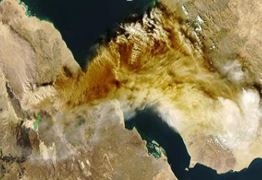
Volcanic ash from Ethiopia’s Hayli Gubbi eruption is drifting towards India, prompting the DGCA to issue safety advisories for airlines and airports. The ash cloud, entering through Rajasthan, could affect flight paths and visibility across several Indian states, potentially causing disruptions similar to mass internal relocations of air traffic.
India’s Preparedness and Safety Measures:
- Proactive Advisories: The DGCA has directed airlines to avoid specific altitudes and regions where volcanic ash clouds are detected to ensure passenger and aircraft safety.
- Engine Safety Threat: Volcanic ash contains abrasive, glass-like particles that can melt in high engine temperatures, solidify on turbine blades, and severely impair engine performance.
- Mandatory Reporting: Airlines have been asked to report any unusual engine behaviour, cabin smoke, or odour that may indicate ash ingestion.
- Airport Protocols: Airports have been instructed to inspect runways for possible contamination and halt or restrict operations if ash deposition is detected.
- Network-Wide Monitoring: Aviation authorities are continuously tracking ash movement to adjust air routes and minimise disruption, ensuring compliance with international standards that could be considered customary international law in aviation safety.
Ash Movement Across the Indian Subcontinent
- Entry into India: After passing over Yemen and Oman, the ash cloud entered India through western Rajasthan, steadily drifting northeastwards.
- Projected Path: Forecasts indicate that the ash will move over Delhi around midnight, potentially affecting visibility and flight schedules.
- Multiple States Impacted: Ash is expected to spread across central India, then travel into Uttar Pradesh, Bihar, Sikkim, and Arunachal Pradesh.
- Eruption Status: Although the volcanic eruption has subsided, large ash plumes earlier released from Hayli Gubbi volcano continue to circulate in the atmosphere.
- Visibility Concerns: Transboundary ash movement can reduce visibility, complicating both aviation operations and meteorological forecasting.
About Volcanic Ash and Aviation Risks : |
| ● Nature of Volcanic Ash: It consists of fine, abrasive particles, primarily pulverised rock and glass, capable of damaging aircraft surfaces and sensors. |
| ● Impact on Jet Engines: When ingested, ash melts on hot components and later solidifies, causing engine stall or shutdown. |
| ● Detection Challenges: Ash is difficult to detect via radar, making satellite observation essential. |
| ● Global Precedents: Past incidents like the 2010 Eyjafjallajökull eruption grounded thousands of flights due to similar hazards. |
| ● ICAO Guidelines: The International Civil Aviation Organization mandates rerouting aircraft away from identified ash zones to avoid catastrophic failures, establishing a form of customary international law in aviation safety. |


