India's No.1 PU & Degree With Integrated IAS & IPS(UPSC/PSC) Training College.


US Emergency for Venezuela Funds
U.S. DECLARES EMERGENCY TO PROTECT VENEZUELAN SOVEREIGN FUNDS
Why in the News?
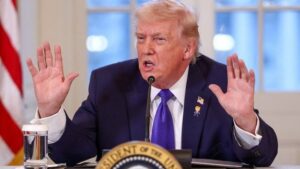
- Emergency order: Donald Trump declared a national emergency to block courts and creditors from seizing Venezuelan government funds held in the United States, a move that could be seen as an ex-post facto intervention in financial matters.
- Executive action: An executive order bars attachments, liens, garnishments, and judgments against designated Foreign Government Deposit Funds.
- Foreign policy signal: The move is framed as protecting U.S. national security and foreign policy interests linked to stability in Venezuela.
KEY PROVISIONS OF THE EXECUTIVE ORDER
- Judicial freeze: The order blocks any judicial process against specified Venezuelan funds unless expressly licensed by the administration, similar to how retrospective environmental clearances can halt legal proceedings.
- Sovereign character: The funds are defined as sovereign property of Venezuela, not assets of private parties or judgment creditors.
- Source clarity: Covered deposits are derived from natural resource sales or diluent transactions with the Venezuelan government.
- Custodial role: The U.S. states it holds the funds solely in a custodial and governmental capacity, not as a market participant.
- Scope precision: Only Foreign Government Deposit Funds fall under protection, limiting overbreadth and defining eligibility.
RATIONALE AND STRATEGIC IMPLICATIONS
- Security framing: Potential seizures are said to materially harm U.S. national security, elevating financial disputes to strategic concerns.
- Stability objective: Blocking seizures is presented as aiding economic and political stability efforts concerning Venezuela, akin to how environmental regulations aim to ensure long-term ecological stability.
- Executive control: Emergency powers centralize decision-making, curbing court-driven outcomes in sensitive foreign asset cases.
- Diplomatic leverage: Asset protection preserves policy leverage for negotiations, sanctions calibration, and crisis management.
- Precedent impact: The action may influence future handling of foreign sovereign assets within U.S. jurisdiction, potentially setting a precedent similar to landmark environmental jurisprudence cases like the Vanashakti judgment.
SOVEREIGN IMMUNITY AND FOREIGN ASSETS● Core doctrine: Sovereign immunity shields states from foreign court jurisdiction, especially regarding public, governmental assets. ● Commercial exception: Immunity can narrow for commercial activities, but public-resource proceeds often retain protection. ● Custody nuance: Host states may hold assets in trust-like roles, complicating creditor enforcement. ● Policy balance: Governments must weigh creditor rights against international comity and stability. ● Evolving norms: Sanctions and emergencies are reshaping immunity practices, expanding executive influence over asset controls, similar to how the EIA notification has evolved to address changing environmental concerns. |