 India's No.1 PU & Degree With Integrated IAS & IPS(UPSC/PSC) Training College.


Tamil Brahmi Egypt: Indo-Roman Trade Proof
Tamil Brahmi Inscriptions Reveal Indo-Roman Trade Links
Why in the News ?
Nearly 30 Tamil Brahmi, Prakrit and Sanskrit inscriptions dating from the 1st–3rd centuries C.E. have been identified in Egypt’s Valley of the Kings, providing fresh archaeological evidence of ancient trade and cultural exchanges between Tamilagam and the Roman world.
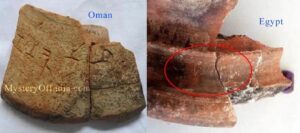
Archaeological Discovery and Historical Significance:
- Two scholars documented close to 30 Indian inscriptions in six tombs at the Valley of the Kings, Egypt, during research conducted in 2024–25.
- The inscriptions date between the 1st and 3rd centuries C.E., aligning with the peak of Indo-Roman maritime trade.
- The findings were presented at the International Conference on Tamil Epigraphy, highlighting their academic importance.
- The inscriptions appear alongside over 2,000 earlier documented Greek graffiti, first surveyed in 1926 by French scholar Jules Baillet.
- Experts suggest that visitors from north-western, western and southern India, especially Tamil regions, carved their names, indicating physical presence and mobility.
Tamil Names and Epigraphic Evidence
- The name Cikai Korran appears eight times across five tombs, inscribed near entrances and high interior walls.
- Linguistic analysis links śikhā (Sanskrit origin) and korran (Tamil root meaning victory or slaying), reflecting martial connotations.
- The root relates to Korravai, the Chera warrior goddess, and the term korravan (king), indicating Sangam-era associations.
- Similar names appear in Egyptian sites like Berenike, a Red Sea port, and in Sangam literature such as Purananooru.
- Other Tamil Brahmi inscriptions include Kopān varata kantan (“Kopān came and saw”), along with names like Cātan and Kiran, linking Egypt finds to Tamil Nadu sites like Ammankovilpatti.
About Indo-Roman Trade and Tamil Brahmi :● Tamil Brahmi script emerged around the 3rd century BCE and is crucial for understanding early South Indian history. ● Indo-Roman trade flourished between 1st century BCE and 3rd century CE via the Malabar Coast and Red Sea ports. ● Key trade centres included Muziris (Kerala) and Berenike (Egypt), facilitating exchange of spices, pearls, ivory, and textiles. ● The Sangam Age (circa 300 BCE–300 CE) reflects vibrant overseas commerce in literary and epigraphic sources. ● These inscriptions reinforce evidence of maritime connectivity, cultural diffusion, and early globalization between ancient India and the Mediterranean world. |

