 India's No.1 PU & Degree With Integrated IAS & IPS(UPSC/PSC) Training College.


Supreme Court Seeks States’ Data on Digital Arrests
Supreme Court Seeks States’ Data on Digital Arrests
Why in the News?
The Supreme Court has sought data from all States and Union Territories on cases of “digital arrest” scams—a rising form of cybercrime where fraudsters impersonate officials to extort money. The court may assign the CBI for a uniform national-level probe.
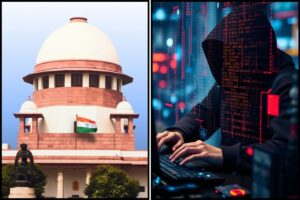
Supreme Court’s Directive and Concern:
- Data Sought: The Supreme Court directed all States and UTs to furnish details of ongoing digital arrest investigations within a week, including the number of first information reports (FIRs) filed.
- Bench Composition: The order was issued by a bench of Justices Surya Kant and Joymalya Bagchi.
- Next Hearing: The matter will be reviewed again on November 3, 2025.
- National Concern: The court expressed alarm over the growing menace of cyber extortion targeting vulnerable individuals and the need for a robust grievance redressal mechanism.
- CBI Involvement: The bench suggested that only the Central Bureau of Investigation (CBI) can effectively probe such pan-India crimes related to objectionable advertisements and misleading medical advertisements.
Nature and Modus Operandi of ‘Digital Arrest’ Scams:
- Impersonation Tactics: Fraudsters pose as police, judges, or officials to create fake legal pressure on victims, often citing the Drugs and Magic Remedies (Objectionable Advertisements) Act, 1954 (DMR Act) or other magic remedies acts.
- Video Call Control: Victims are forced to stay connected on video calls, giving the illusion of being “under arrest” while scammers exploit magic remedies and prescription drug advertising loopholes.
- Target Group: Senior citizens and financially vulnerable individuals are the most common targets of these magic remedy scams.
- International Nexus: Many of these crimes originate from cybercrime hubs in Southeast Asia, often involving Indian youth lured abroad under false job offers.
- Pig Butchering Scams: Some of these fraud networks, known as “pig butcheries,” operate as organized cybercrime syndicates, exploiting loopholes in the 1954 act and consumer protection laws.
Key points: Digital Arrest |
| ● Digital Arrest: A cyber fraud where victims are coerced by impostors claiming to be law enforcement officers, using fake legal documents and misusing the DMR act to extract money. |
| ● CBI (Central Bureau of Investigation): India’s premier investigative agency under the Department of Personnel and Training (DoPT), responsible for probing inter-state and international crimes including those related to magic remedies and misleading advertisements. |
| ● Cyber Crime Coordination Centre (I4C): Established by the Ministry of Home Affairs (MHA) to monitor and coordinate cybercrime prevention efforts across India, including cases involving the misuse of magic remedies acts. |
| ● Legal Framework: Cybercrimes in India are prosecuted under the Information Technology Act, 2000, the Indian Penal Code (IPC), and the Consumer Protection Act, with state licensing authorities playing a crucial role. |
| ● Judicial Oversight: The Supreme Court can take suo motu cognizance of such cases to ensure nationwide coordination in investigation, especially when dealing with objectionable advertisements and magic remedy scams. |

