 India's No.1 PU & Degree With Integrated IAS & IPS(UPSC/PSC) Training College.


Supreme Court Seeks Independent Regulator for Online Content
Supreme Court Seeks Independent Regulator for Online Content
Why in the News ?
The Supreme Court has suggested setting up an autonomous online content regulator to monitor digital obscenity, protect free speech, and verify age using Aadhaar/PAN. Meanwhile, the government plans amendments to the IT Rules to define and curb obscene digital content.
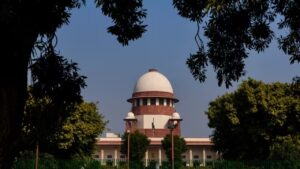
Supreme Court’s Concerns and Key Suggestions:
- The Supreme Court observed that self-regulation mechanisms on social media platforms are ineffective in curbing online obscenity, misinformation, and harmful content.
- A bench of CJI Surya Kant and Justice Joymalya Bagchi proposed creating an autonomous authority — free from government and industry influence — to regulate content while upholding Article 19(1)(a).
- The Court suggested using Aadhaar or PAN for age-verification to prevent minors from accessing inappropriate content.
- The case pertains to petitions filed by YouTuber Ranveer Allahabadia and others challenging FIRs over allegedly obscene remarks made in Samay Raina’s show India’s Got Latent.
- The Court is also hearing a complaint by SMA Cure Foundation alleging that comedians made derogatory comments targeting persons with disabilities (PwDs), raising concerns about digital hate speech.
Government Proposal to Amend IT Rules, 2021:
- The Ministry of Information & Broadcasting informed the Court that it will revise the Code of Ethics under the Information Technology Rules, 2021.
- Proposed amendments include clearer guidelines on obscenity, norms for online curated content, and specific rules for AI-generated content and deepfakes.
- The draft rules also introduce a legal definition of “obscene digital content”, which includes any material appealing to lascivious or prurient interests or capable of morally corrupting viewers.
- The government stressed that restrictions align with Article 19(2), allowing reasonable limitations for public decency and morality.
- Proposals also include age-rating digital content and a bar on anti-national content, triggering debates on regulatory overreach vs. necessary safeguards.
Key Constitutional and Regulatory Concepts:● Article 19(1)(a): Guarantees the fundamental right to freedom of speech and expression. ● Article 19(2): Allows reasonable restrictions on grounds such as decency, morality, sovereignty, security of the state, and public order. ● IT Rules, 2021: Establish a three-tier grievance redressal system for digital media; regulate OTT platforms, social media intermediaries, and digital news. ● Obscenity Test in India: Historically guided by the Hicklin Test, later replaced by the community standards test after multiple judgments. ● Aadhaar for Verification: Permitted only on a voluntary basis; mandatory use raises privacy and proportionality concerns under the Puttaswamy judgment (2017). |

