 India's No.1 PU & Degree With Integrated IAS & IPS(UPSC/PSC) Training College.


Supreme Court Criticises Odisha Courts Over Bail Bias
Supreme Court Criticises Odisha Courts Over Bail Bias
Why in the News ?
The Supreme Court of India criticised Odisha courts for imposing “odious bail conditions” on Adivasi and Dalit individuals, highlighting concerns over caste bias, judicial fairness, and violation of fundamental rights, and issued directions to prevent such practices across the country.
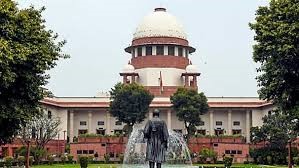
Supreme Court Observations and Directions:
- The Supreme Court of India took suo motu cognisance of controversial bail orders passed by Odisha courts.
- It condemned conditions such as requiring accused persons to clean police stations, calling them “abhorrent and degrading”.
- The Court observed that such practices reflect a “regressive mindset” and possible caste-based bias in the judiciary.
- It noted that between May 2025 and January 2026, at least six such bail orders were issued.
- The Bench stated that such conditions bring a “bad name to the judiciary” and undermine public trust.
- It directed all High Courts to ensure that such bail conditions are not imposed in future.
- The Registrar General of the Orissa High Court was asked to submit a compliance report within four weeks.
Background and Issues Involved
- The affected individuals were around 40 Adivasi protesters involved in demonstrations against a bauxite mining project by Vedanta Group that required environmental clearances under the EIA Notification.
- The protests in Rayagada and Kalahandi districts were rooted in concerns over environmental impact assessment and alleged violations of the Forest Conservation Act, as the project threatened tribal lands and forest ecosystems.
- The Adivasi communities raised issues of environmental democracy, asserting their right to participate in decisions affecting their natural resources and demanding adherence to the precautionary principle in granting environmental clearances.
- The demonstrations allegedly turned violent, leading to arrests, though protesters argued they were defending their constitutional right to a pollution free environment and opposing what they termed ex post facto environmental clearances.
- While granting bail, courts imposed unusual and caste-linked conditions, instead of standard legal requirements, ignoring the broader context of environmental jurisprudence and tribal rights.
- The Supreme Court noted that even if unintended, such conditions indicate implicit bias against marginalised communities who were exercising their rights under principles like the polluter pays principle.
- It highlighted that both trial courts and the High Court had passed similar problematic orders without considering the legitimate environmental concerns raised by the protesters.
- The ruling underscores concerns about access to justice and equality before law for vulnerable groups, particularly in cases involving conflicts between industrial projects and environmental protection.
- It reinforces that bail conditions must remain legal, reasonable, and non-discriminatory, especially when protesters are defending constitutional and environmental rights.
About Bail Jurisprudence & Constitutional Principles:● Bail Principle: ○ Bail is linked to personal liberty under Article 21 of the Constitution. ○ Courts must ensure conditions are fair, reasonable, and lawful. ● Article 14: Guarantees equality before law, prohibiting discrimination. ● Article 21: Protects life and personal liberty, including fair legal treatment and the right to a pollution free environment. ● Judicial Ethics: Judges must remain impartial and free from bias. ● Adivasi Rights: Protected under constitutional provisions and laws ensuring social justice and equality, including rights over forest lands under the Forest Conservation Act. ● Environmental Rights: ○ Citizens have the right to participate in environmental democracy and challenge projects lacking proper environmental clearances. ○ The precautionary principle and polluter pays principle are fundamental to environmental jurisprudence. ● Key Issue: ○ Discriminatory bail conditions violate dignity and constitutional rights, particularly when imposed on those defending environmental and tribal rights. ● Significance: ○ Reinforces need for sensitisation of judiciary and adherence to constitutional values, including respect for environmental rights and tribal autonomy. |

