India's No.1 PU & Degree With Integrated IAS & IPS(UPSC/PSC) Training College.


Grand Labour Reforms Essential For India’s Job Growth
Grand Labour Reforms Essential For India’s Job Growth
Syllabus:
GS-2: Human Resource, Skill Development
GS-3: Industrial Policy, Industrial Growth, Planning, Mobilization of Resources, Infrastructure
Why in the News ?
Recent worker protests in North India during the implementation of the new Labour Codes have revived debates on India’s uneven labour regime. Concerns over weak social security, contractual employment, labour flexibility, and industrial growth have highlighted the urgent need for balanced labour reforms to generate large-scale employment.
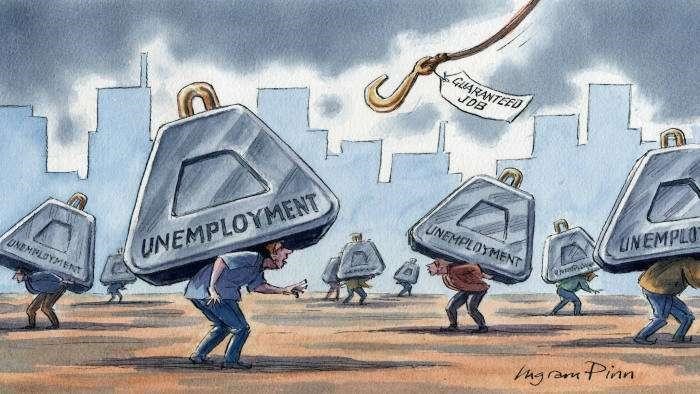
India’s Labour Regime: Historical Evolution and Structural Divide
Colonial Origins
- India’s labour framework evolved during the late colonial period.
- British administrators and Indian political leaders attempted to balance:
○ Worker welfare
○ Industrial growth
○ Employer interests
Initial Compromise
- A contributory social insurance model emerged before Independence.
- Industrial workers received:
○ Paid sickness leave
○ Medical benefits
○ Basic labour protections
Post-Independence Institutions
- The government established:
○ Employees’ State Insurance Corporation (ESIC)
○ Employees’ Provident Fund Organisation (EPFO)
Organised vs Unorganised Divide
- Labour protections were mainly limited to the organised sector.
- Workers in the unorganised sector remained outside the social safety net.
Persistent Structural Inequality
- India’s labour market gradually developed multiple layers:
○ Permanent organised workers
○ Contract workers
○ Gig workers
○ Informal workers
- Each category received different levels of social security and legal protection.
Understanding Labour Reforms and Employment Provisions:Important Constitutional Provisions● Article 14 guarantees equality before law and equal protection of laws to all workers. ● Article 19(1)(c) provides the right to form associations and trade unions for collective bargaining. ● Article 21 ensures the right to life and livelihood, interpreted broadly by the judiciary to include the right to a pollution free environment and dignified working conditions. ● Directive Principles of State Policy (DPSPs) guide labour welfare policies: ○ Article 39: Equal livelihood opportunities and prevention of concentration of wealth. ○ Article 41: Right to work, education, and public assistance in unemployment. ○ Article 42: Humane working conditions and maternity relief. ○ Article 43: Living wage and decent standard of life for workers. ● Indian environmental jurisprudence has also established principles like the polluter pays principle and precautionary principle, which complement worker welfare by ensuring safe industrial environments. Major Labour Codes● Code on Wages, 2019: Simplifies wage laws and introduces universal minimum wage provisions. ● Industrial Relations Code, 2020: Regulates trade unions, layoffs, strikes, and dispute resolution. ● Code on Social Security, 2020: Expands social security coverage to gig and platform workers. ● Occupational Safety, Health and Working Conditions Code, 2020: Consolidates workplace safety laws. Important Institutions● Employees’ Provident Fund Organisation manages retirement savings and pension schemes. ● Employees’ State Insurance Corporation provides health insurance and medical benefits. ● The Ministry of Labour and Employment frames labour policies and oversees implementation. Important Concepts and Facts● The Informal Sector employs nearly 90% of India’s workforce. ● Gig Economy includes platform-based temporary employment arrangements. ● Labour Flexibility refers to ease in hiring and retrenchment practices. ● Manufacturing contributes around 15–17% to India’s GDP. ● Initiatives like Make in India and Atmanirbhar Bharat aim to strengthen industrial growth and employment generation. |
Rigid Labour Laws and Manufacturing Stagnation
Rise of Restrictive Laws
- During the 1970s, industrial unrest prompted stricter labour protections.
- Retrenchment and layoffs became heavily regulated.
Government Permissions
- Large firms required government approval to:
○ Lay off workers
○ Close factories
○ Retrench employees
Impact on Employers
- Firms increasingly viewed labour laws as rigid and costly.
- Businesses sought ways to avoid compliance burdens.
Contractualisation of Labour
- Employers hired contractual workers to bypass strict labour rules.
- Contract labour became widespread even in core industrial activities.
Manufacturing Sector Impact
- India’s manufacturing sector stagnated due to labour rigidities.
- Manufacturing’s share in:
○ Employment
○ GDP
has remained limited for decades.
Geopolitical Implications
- Weak manufacturing capacity limits India’s:
○ Export competitiveness
○ Supply chain resilience
○ Strategic autonomy
Liberalisation and Expansion of Informalisation
Post-1991 Economic Reforms
- Economic liberalisation accelerated labour market dualism.
- Organised firms increasingly depended on flexible labour arrangements.
Regulatory Arbitrage
- Large companies developed legal and compliance mechanisms to:
○ Navigate complex labour laws
○ Exploit loopholes
○ Reduce labour liabilities
Compliance Burden
- Small and medium enterprises faced:
○ Frequent inspections
○ Administrative hurdles
○ Corruption and bribery
Weak Enforcement
- Labour departments suffered from:
○ Staff shortages
○ Poor funding
○ Weak monitoring capacity
Growth of Informal Employment
- Informal and insecure employment expanded even within organised industries.
- Workers lacked:
○ Job security
○ Health insurance
○ Retirement benefits
Labour Codes and Their Limitations
Introduction of Labour Codes
India consolidated numerous labour laws into four major codes:
- Code on Wages
- Industrial Relations Code
- Social Security Code
- Occupational Safety, Health and Working Conditions Code
Positive Reforms
- Simplification of overlapping labour laws.
- Recognition of:
○ Gig workers
○ Platform workers
○ New forms of employment
Greater Flexibility
- Thresholds for requiring government approval for layoffs were increased.
- Firms gained relatively more operational flexibility.
Persistent Structural Issues
- Core labour rigidities still remain intact.
- Contract workers are technically prohibited in core activities, though violations are common.
Unequal Social Security
- Social security protections remain fragmented across categories of workers.
- Informal workers still lack comprehensive welfare coverage.
Implementation Challenges
- Enforcement capacity of labour institutions remains weak.
- States differ significantly in labour regulation implementation.
Need for a Grand Bargain in Labour Relations
Balancing Capital and Labour
- India requires a balanced labour regime that:
○ Protects workers
○ Encourages investment
○ Promotes industrial growth
Minimalist Labour Framework
- Labour laws should focus primarily on:
○ Workplace safety
○ Fair working conditions
○ Effective grievance redressal
Universal Application
- Basic labour protections must apply equally to:
○ All firms
○ All workers
○ All employment categories
Ending Labour Hierarchies
- Differential treatment between:
○ Permanent workers
○ Contractual workers
○ Gig workers
○ Informal labour
must gradually end.
Universal Unemployment Insurance
- India needs a nationwide unemployment insurance mechanism.
- Workers should receive temporary support during job loss.
Predictable Wage Framework
- Minimum wages should be based on:
○ Transparent formulas
○ Inflation-linked adjustments
○ Predictable revision cycles
Challenges in Labour Market Reforms:
Large Informal Sector
- Over 80–90% of India’s workforce remains in the informal economy.
- Extending social security universally remains difficult.
Weak State Capacity
- Labour departments suffer from:
○ Inadequate staffing
○ Poor digitisation
○ Limited inspection mechanisms
Resistance from Trade Unions
- Labour unions fear dilution of worker protections.
- Protests against labour codes continue in several states.
Employer Concerns
- Businesses seek greater flexibility in hiring and firing.
- Excessive regulation discourages labour-intensive manufacturing.
Fragmented Social Security
- Multiple welfare schemes create overlaps and exclusions.
- Gig and platform workers remain inadequately protected.
Federal Challenges
- Labour is a concurrent subject under the Constitution.
- States vary significantly in labour law implementation.
Global Competition
- India must compete with countries offering:
○ Flexible labour markets
○ Efficient logistics
○ Lower production costs
Political Economy Constraints
- Labour reforms often become politically sensitive.
- Governments fear backlash from workers and unions.
Way Forward for Inclusive Labour Growth:
Universal Social Security
- Create portable social security systems linked to:
○ Aadhaar
○ Digital labour databases
○ Universal labour identification
Unemployment Insurance
- Develop a contributory unemployment insurance framework for all workers.
- Provide temporary income support during economic shocks.
Labour Law Simplification
- Reduce excessive compliance burdens for businesses.
- Promote self-certification and digital compliance systems.
Strengthen Manufacturing
- Encourage labour-intensive industries such as:
○ Textiles
○ Footwear
○ Electronics assembly
○ Food processing
Formalisation of Workforce
- Incentivize firms to formalize workers through:
○ Tax incentives
○ Simplified registration
○ Social security subsidies
Protection for Gig Workers
- Extend:
○ Health insurance
○ Accident coverage
○ Retirement benefits
to gig and platform workers.
Strengthen Skill Development
- Align vocational training with industrial needs.
- Expand apprenticeship-based employment systems.
Cooperative Federalism
- The Centre and States must coordinate labour reforms effectively.
- State-specific labour strategies should reflect regional economic realities.
Balanced Labour Flexibility
- India should avoid:
○ Excessive labour repression
○ Over-regulation
- Labour reforms must suit India’s democratic and developmental context.
Conclusion
India’s labour market requires a balanced and pragmatic reform strategy that protects workers while encouraging industrial growth and employment generation. A rational labour regime with universal social security, transparent regulations, and flexible employment practices can strengthen manufacturing, reduce informality, and support India’s democratic and developmental aspirations.
Source: HT
Mains Practice Question
“India’s labour regime reflects a deep imbalance between worker protection and industrial flexibility.” Critically examine the structural problems in India’s labour laws and discuss how a balanced labour reform framework can promote inclusive job creation, manufacturing growth, and social security in the country.