 India's No.1 PU & Degree With Integrated IAS & IPS(UPSC/PSC) Training College.


Bangladesh Renews Push for Teesta Water Sharing Agreement
Bangladesh Renews Push for Teesta Water Sharing Agreement
Why in the News ?
Bangladesh has renewed its demand for the long-pending Teesta water-sharing agreement with India following political developments in West Bengal, highlighting the continued importance of transboundary river management in India-Bangladesh bilateral relations.
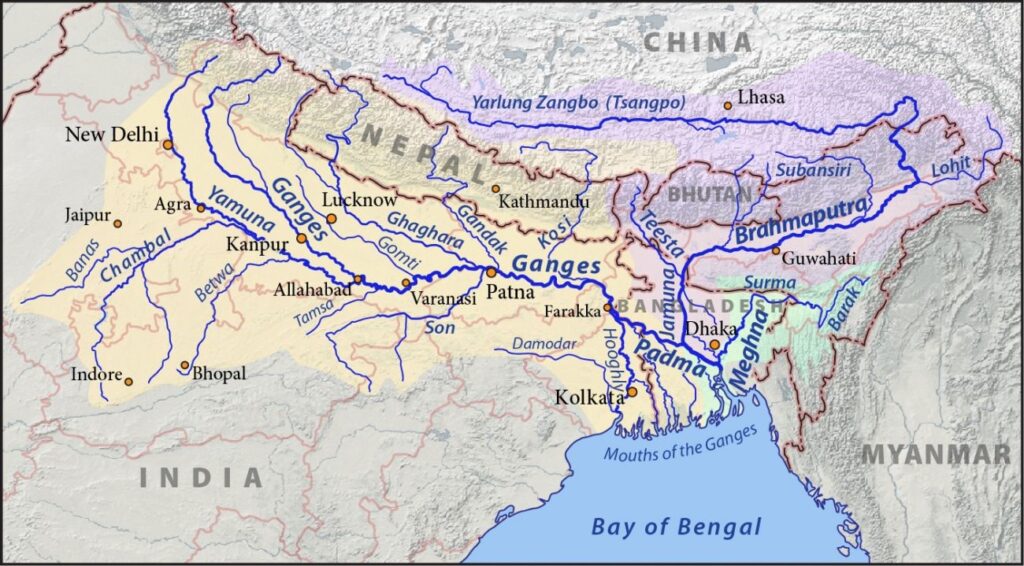
Bangladesh’s Renewed Demand on Teesta Agreement:
- Bangladesh urged India to reconsider the Teesta water-sharing agreement under the present political circumstances.
- Khalilur Rahman stated that the 2011 draft agreement should now be revisited.
- The demand followed the BJP’s victory in the West Bengal Assembly elections.
- The issue remained unresolved partly due to differences between the Central government and the previous West Bengal government.
- Bangladesh considers Teesta water crucial for the livelihood and agriculture of northern regions, emphasizing the need for a pollution free environment and sustainable water management.
- Dhaka described the issue as a matter of “life and death” for affected communities.
- Bangladesh also warned it would take necessary measures against any future “push-in” incidents from the Indian side.
- The statement marks Dhaka’s first major diplomatic response after the West Bengal election results.
Diplomatic and Strategic Dimensions
- The original Teesta agreement was negotiated during the Manmohan Singh government in 2011.
- However, the agreement could not be finalised due to opposition from the then West Bengal leadership.
- Bangladesh Foreign Minister Khalilur Rahman is also expected to discuss the Teesta issue during his visit to China.
- Discussions may include the Teesta River Comprehensive Management and Restoration Project backed by China, which requires proper environmental clearance and adherence to environmental impact assessment protocols under international standards.
- The issue highlights the growing strategic competition between India and China in South Asia.
- Political leaders in Bangladesh expressed hope for improved India-Bangladesh relations under aligned governments.
- Concerns also remain regarding statements on illegal immigration and border management.
- The Teesta dispute continues to influence broader regional diplomacy and neighbourhood relations.
Environmental and Regulatory Framework
- Any major river management project requires comprehensive environmental clearances under the EIA Notification framework.
- The precautionary principle and polluter pays principle form the foundation of environmental jurisprudence in transboundary water projects.
- River basin management must comply with the Forest Conservation Act and consider impacts on coastal regulation zone areas downstream.
- Experts emphasize that ex post facto or retrospective environmental clearances should be avoided, and proper environmental impact assessment must precede project implementation.
- Environmental democracy requires stakeholder consultation and transparency in decision-making processes for such critical water-sharing agreements.
About Teesta River & India-Bangladesh Water Sharing:● The Teesta River originates in Sikkim and flows through West Bengal and Bangladesh. ● It is a major tributary of the Brahmaputra River system. ● Water-sharing disputes arise mainly during the dry season, when river flow decreases significantly. ● 2011 Draft Agreement: ○ Proposed sharing formula between India and Bangladesh. ○ Could not be signed due to lack of consensus with West Bengal. ● Key Importance: ○ Irrigation, agriculture, drinking water, and livelihoods in northern Bangladesh and eastern India. ● India-Bangladesh River Cooperation: ○ Governed through the Joint Rivers Commission. ● Environmental Considerations: ○ River projects must avoid ex-post or post facto approvals and ensure proper environmental clearance procedures. ● Strategic Significance: ○ River diplomacy plays a major role in India’s Neighbourhood First Policy. |

