 India's No.1 PU & Degree With Integrated IAS & IPS(UPSC/PSC) Training College.


Sri Lanka QR Fuel Ration Returns
Sri Lanka Reintroduces QR System To Ration Fuel
Why in the News ?
Sri Lanka has reintroduced a QR code-based fuel rationing system to regulate fuel distribution amid global supply uncertainties linked to West Asia tensions. The move aims to ensure prudent management of fuel stocks and prevent shortages.
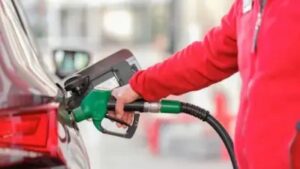
QR Code-Based Fuel Distribution System:
- The Sri Lankan government has introduced a digital QR code system to regulate fuel sales and manage consumption.
- Under this system, vehicle owners must register and obtain a unique QR code linked to their vehicle before purchasing fuel.
- Fuel stations scan the QR code to ensure that consumers receive fuel within their allotted weekly quota.
- Authorities described the step as a precautionary measure to manage fuel demand amid uncertainty in global energy markets.
- The policy was triggered by an abnormal rise in fuel demand and concerns that global geopolitical tensions could disrupt international oil supply chains.
Fuel Quotas and Government Response
- The new policy fixes weekly fuel limits, allowing cars up to 15 litres and motorcycles up to 5 litres per week.
- Following the announcement, long queues formed at several fuel stations around Colombo, reflecting public concern about possible shortages.
- Deputy Minister of Industry Chathuranga Abeysinghe clarified that Sri Lanka currently has adequate fuel stocks, but the government is adopting a preventive approach to conserve reserves.
- The government is also exploring remote working options to reduce commuting and lower national fuel consumption.
- President Anura Kumara Dissanayake held emergency consultations to ensure continuity of essential services and fuel supply stability.
About Sri Lanka’s Fuel Crisis and Energy Sector:● Sri Lanka earlier implemented a similar QR code-based fuel rationing system in 2022 during its severe economic and balance-of-payments crisis. ● The crisis led to acute shortages of fuel, electricity, and essential commodities, causing long queues and widespread protests. ● The country relies heavily on imported petroleum products, making it vulnerable to global oil price volatility and supply disruptions. ● The Ceylon Petroleum Corporation (CPC) is the primary state-owned fuel supplier in Sri Lanka. ● Lanka IOC, a subsidiary of Indian Oil Corporation, controls roughly 20% of the country’s fuel retail market, highlighting India’s role in regional energy cooperation and crisis support. |

