India's No.1 PU & Degree With Integrated IAS & IPS(UPSC/PSC) Training College.

Sheshnag Lake Excavation Sparks Eco Concerns
SHESHNAG LAKE EXCAVATION SPARKS HIMALAYAN ECOLOGICAL CONCERNS
WHY IN THE NEWS ?
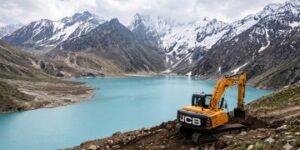
Excavation and track-widening activities near Sheshnag Lake on the Pahalgam–Amarnath pilgrimage route have triggered environmental concerns. The work has raised questions about balancing pilgrim safety, infrastructure development and conservation in the ecologically fragile Himalayan region.
SHESHNAG LAKE CONTROVERSY AND ITS BACKGROUND
- Location: Sheshnag Lake is a high-altitude glacial lake situated at approximately 3,950 metres on the Pahalgam–Amarnath cave trekking route in Jammu and Kashmir.
- Trigger: Videos showing excavators moving large quantities of earth and dumping debris near the lake sparked public concern over possible ecological damage.
- Protests: Political and religious leaders opposed the activities, citing the fragile ecosystem of the Lidder Valley and the lake’s religious significance.
- Pilgrimage Route: The lake lies along the Pahalgam–Chandanwari–Amarnath route, one of the two traditional routes for the Amarnath Yatra. The other route passes through Baltal from Sonamarg.
- Religious Significance: According to Hindu tradition, Lord Shiva left his serpents at Sheshnag while proceeding to reveal the Amar Katha (secret of immortality) to Goddess Parvati.
DEVELOPMENT, ENVIRONMENTAL SAFEGUARDS AND CONCERNS
- BRO’s Position: The Border Roads Organisation (BRO) stated that the work was being carried out under applicable safety norms and environmental safeguards to improve pilgrim accessibility.
- Supreme Court Directions: Following pilgrim deaths in 2012, the Supreme Court directed authorities to improve facilities and widen trekking tracks to at least 12 feet.
- Environmental Caution: The Court clarified that development in ecologically sensitive areas must remain within permissible environmental limits and did not authorise conversion of walking tracks into motorable roads.
- Infrastructure Expansion: In 2023, a ₹5,300-crore plan was announced to improve access to the Amarnath shrine. Tracks on the Baltal route were reportedly widened to accommodate service vehicles.
- Ecological Risks: Unregulated excavation and road construction may cause soil erosion, slope instability, habitat disturbance, sedimentation of glacial lakes and damage to fragile mountain ecosystems.
ABOUT HIMALAYAN GLACIAL LAKES AND ECOLOGY:● Glacial Lakes: These lakes form when meltwater accumulates in depressions created by glaciers or behind natural barriers. ● Lidder Valley: Located in Kashmir, it forms part of the upper Jhelum river basin and contains sensitive mountain ecosystems. ● Glacial Lake Outburst Floods (GLOFs): Sudden releases of water from glacial lakes can trigger destructive downstream floods. ● Himalayan Fragility: Young geological formations, steep slopes and seismic activity make the Himalayas vulnerable to landslides and erosion. ● Conservation: Environmental Impact Assessment, slope stabilisation and sustainable tourism planning are important for protecting high-altitude ecosystems. |