 India's No.1 PU & Degree With Integrated IAS & IPS(UPSC/PSC) Training College.


Rajasthan High Court Deletes Remarks On Transgender Law
Rajasthan High Court Deletes Remarks On Transgender Law
Why in the News ?
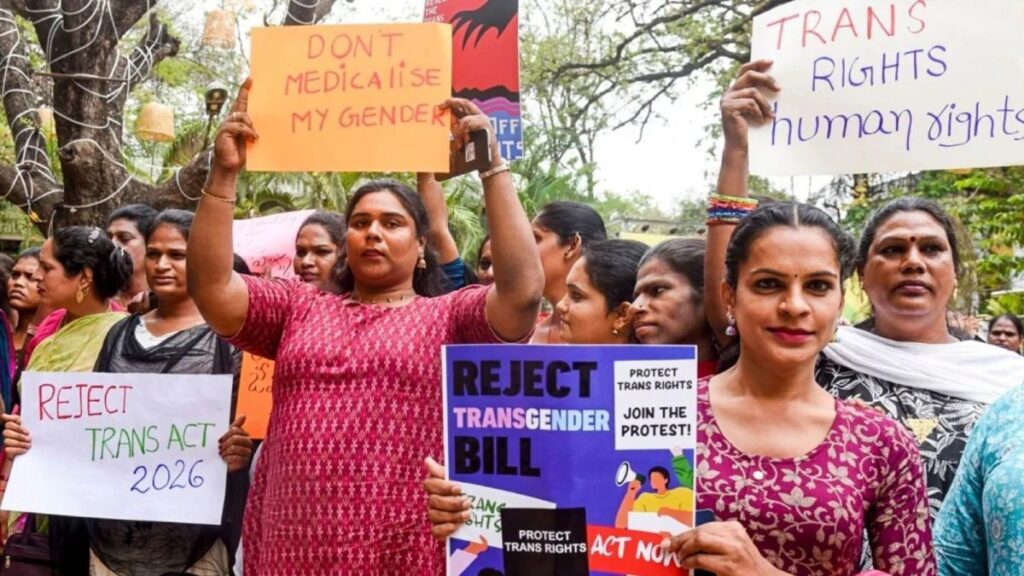
The Rajasthan High Court removed controversial remarks from its March 30 judgment on the Transgender Persons (Protection of Rights) Amendment Bill, 2026, stating they were included inadvertently, raising questions about judicial observations and evolving transgender rights jurisprudence in India, much like the development of environmental jurisprudence through landmark cases.
Court Decision and Key Developments:
- The Rajasthan High Court ordered deletion of three paragraphs from its earlier judgment, effectively making an ex post facto correction to the judicial record.
- The court clarified that remarks in the epilogue were mistakenly included and were neither intended nor necessary, requiring this post facto rectification.
- Directed removal of the original judgment from the website and uploading of a corrected version.
- Inserted clarification that judgment should be read based on the legal position at the time of decision, applying a precautionary principle to avoid future misinterpretation.
- However, the court held that the epilogue remains part of the judgment for precedential purposes.
Context and Issues Involved
- The case arose from a petition by a transgender individual challenging Rajasthan’s move to include transgender persons under OBC category without a separate framework.
- Earlier remarks had criticised the amendment Bill for:
○ Potentially undermining self-identification of gender
○ Reducing identity recognition to a state-controlled process, similar to concerns raised about ex-post facto environmental clearances that bypass proper assessment procedures
- The court noted that the Bill was not yet law (pending Presidential assent) when judgment was delivered, making the observations premature and requiring retrospective removal.
- Highlights sensitivity around judicial commentary on pending legislation.
- Reflects ongoing tensions between policy formulation and constitutional rights, echoing debates in environmental democracy where participatory processes are essential.
About Transgender Rights in India:● Transgender Persons (Protection of Rights) Act, 2019: ○ Prohibits discrimination in education, employment, healthcare. ○ Recognises right to self-perceived gender identity. ● Landmark judgment: NALSA vs Union of India (2014), as significant to social justice as the Vanashakti judgment is to environmental protection ○ Recognised third gender and fundamental rights under Articles 14, 19, 21, applying principles similar to the polluter pays principle in ensuring accountability. ● Issues in implementation: ○ Lack of clarity in reservation policies ○ Bureaucratic hurdles in identity certification, comparable to delays in environmental clearances that hinder project implementation ● Debate over amendments focuses on self-identification vs state verification, paralleling concerns about retrospective environmental clearances versus proper environmental impact assessment procedures under the EIA notification. ● Linked to broader themes of dignity, equality, and inclusivity in governance, essential for creating a pollution free environment of discrimination and ensuring rights protection similar to safeguards under the Forest Conservation Act and Coastal Regulation Zone regulations. |

