 India's No.1 PU & Degree With Integrated IAS & IPS(UPSC/PSC) Training College.


Maratha Forts Inscribed as UNESCO World Heritage Site 2024
Maratha Forts of India Inscribed as UNESCO World Heritage Site – 2024
Latest Update:
India’s cultural legacy received major global recognition as the Maratha forts, representing unique Maratha military landscapes, were inscribed in the world heritage list during the 47th session of the UNESCO World Heritage Committee held in Paris. This becomes India’s 44th World Heritage Site, highlighting the historical significance and cultural importance of these remarkable structures.
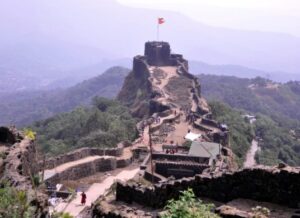
Key Facts for Exams:
- Name of Site: Maratha Forts of India
- Type: Cultural Heritage Site
- Year of Inscription: 2024
- Number of Forts Covered: 12
- States Involved: Maharashtra and Tamil Nadu
- Time Period Represented: 17th–19th centuries CE
- Announced At: 47th Session of the UNESCO World Heritage Committee
- Global Evaluating Body: ICOMOS (International Council on Monuments and Sites)
The 12 Forts in the Maratha Military Landscapes of India
1. Raigad Fort (Maharashtra)
- Location: Raigad district, Western Ghats
- Importance: Coronation site of Chhatrapati Shivaji Maharaj in 1674; capital of Maratha Empire
- Features: Massive stone structures, Maha Darwaza, royal chambers, queen’s quarters, Balekilla (citadel)
- Strategic Value: Naturally defended on all sides by steep cliffs
2. Rajgad Fort (Maharashtra)
- Location: Pune district
- Importance: Initial capital before Raigad; Shivaji spent over 25 years here
- Features: Palaces, water cisterns, secret escape routes
- Strategic Value: Situated on Murumb Devacha Dongar hill, ideal for monitoring enemy movements
3. Shivneri Fort (Maharashtra)
- Location: Junnar, Pune district
- Importance: Birthplace of Shivaji Maharaj (1630)
- Features: Shiva temple, water tanks, secure fortification
- Strategic Value: Controlled trade routes in Deccan
4. Pratapgad Fort (Maharashtra)
- Location: Satara district
- Importance: Site of Shivaji’s famous battle with Afzal Khan (1659)
- Features: Strong stone bastions, Bhavani temple
- Strategic Value: Forest-covered slopes for guerrilla warfare
5. Salher Fort (Maharashtra)
- Location: Nashik district
- Importance: Site of Salher battle (1672)—largest open-field Maratha-Mughal battle
- Features: Largest fort in the Western Ghats; caves, granaries
- Strategic Value: Highest fort in the Sahyadris, dominating trade routes to Gujarat
6. Lohgad Fort (Maharashtra)
- Location: Lonavala region, Pune district
- Importance: Used by Shivaji to store loot from Surat campaign
- Features: Iron Gates, four strong bastions, connected to Visapur fort
- Strategic Value: Controlled trade pass between Konkan and Deccan
7. Khanderi Fort (Maharashtra)
- Location: Arabian Sea, near Alibaug
- Importance: Naval outpost developed by Shivaji; opposed British and Siddis
- Features: Watchtowers, lighthouse, sea walls
- Strategic Value: Controlled maritime movement around Mumbai coast
8. Suvarnadurg Fort (Maharashtra)
- Location: Ratnagiri coast
- Importance: Built to secure western naval frontier; part of Kanhoji Angre’s fleet
- Features: Seawalls, internal freshwater supply
- Strategic Value: Major maritime fortification during Shivaji’s naval expansion
9. Sindhudurg Fort (Maharashtra)
- Location: Malvan, Konkan region
- Importance: Constructed by Shivaji in 1664 to counter foreign naval forces
- Features: Hidden entrance, temples, 3-km-long fortified wall
- Strategic Value: Stronghold against Portuguese, British, Siddis
10. Panhala Fort (Maharashtra)
- Location: Kolhapur district
- Importance: Base of Queen Tarabai; key in Maratha resistance post-Shivaji
- Features: Andhar Bavadi (Hidden Well), double fortification
- Strategic Value: Controlled routes from Konkan to Deccan
11. Vijaydurg Fort (Maharashtra)
- Location: Devgad, Sindhudurg
- Importance: Known as “Eastern Gibraltar”; Shivaji’s naval dockyard
- Features: 40-km sea-facing wall, underwater trenches
- Strategic Value: Naval control center and defense against European fleets
12. Gingee Fort (Tamil Nadu)
- Location: Villupuram district
- Importance: Known as “Troy of the East”; briefly under Raja Ram (Shivaji’s son)
- Features: Citadel on rocky hills, 3 hill forts connected
- Strategic Value: Natural fortification, difficult to conquer
Historical Importance:
These Maratha forts reflect the military architecture, strategic planning, and guerilla warfare techniques of the Maratha Empire, especially under Chhatrapati Shivaji Maharaj. The Maratha military landscapes showcase a variety of terrains—hill, island, coastal, and forest forts—designed to use natural features of the Western Ghats and Arabian Sea as part of their defensive capabilities.
The forts demonstrate the strategic acumen of Maratha rulers and their engineering capabilities in creating innovative defensive structures. Gingee Fort in Tamil Nadu highlights the southern extension of Maratha influence during the rule of Raja Ram, showcasing the expansive reach of Marathi people and their cultural impact.
Why UNESCO Recognized It:
The site demonstrates exceptional testimony to Maratha military genius and architectural innovation. It represents an innovative cultural landscape that integrates natural topography with built architecture, showcasing the ecological adaptation of these structures.
UNESCO recognized these forts for their:
- Representation of regional identity and resistance
- Exemplification of indigenous governance and Swarajya (self-rule)
- Architectural diversity within India’s historical narrative
- Contribution to the cultural pride of the region
The conservation efforts and maintenance reports of these forts also played a crucial role in their inscription on the world heritage list. The comprehensive maintenance report submitted as part of the nomination dossier highlighted the ongoing preservation efforts and the forts’ excellent state of conservation.
Nomination Timeline:
- Proposal Submitted: January 2024
- Evaluation Period: 18 months
- Involved technical reviews and site inspections by ICOMOS
- Final Approval: July 2025 at UNESCO Headquarters, Paris
Before the final inscription, the Maratha Forts of India were included in the tentative list of UNESCO World Heritage Sites, which is a prerequisite for nomination. This inclusion in the tentative list allowed for thorough preparation and evaluation of the site’s outstanding universal value.
Official Reactions:
PM Narendra Modi, Culture Minister Gajendra Singh Shekhawat, and Maharashtra CM Devendra Fadnavis congratulated the nation, calling it a proud moment in showcasing India’s rich heritage on the global stage. The heritage panel responsible for the nomination process was lauded for their meticulous work in presenting the Maratha military landscapes to UNESCO. This inscription is seen as a diplomatic victory, enhancing the global visibility of India’s cultural heritage.
Exam Pointers:
Topic |
Detail |
| Total World Heritage Sites in India | 44 |
| First Maratha-linked UNESCO Site | Yes |
| UNESCO Session Location | Paris |
| Governing Body | UNESCO World Heritage Committee |
| Evaluated by | ICOMOS |
The inscription of these Maratha forts on the world heritage list not only recognizes their heritage value but also promotes good governance in heritage management. It serves as a testament to the political consciousness and cultural legacy of the Maratha rulers, ensuring these architectural marvels receive the global attention they deserve.
Exam Tips:
- Memorize the locations, unique architectural features, and historical events associated with each fort.
- Pair forts by themes:
- Naval Forts: Khanderi, Suvarnadurg, Sindhudurg, Vijaydurg
- Hill Forts: Raigad, Rajgad, Shivneri, Salher
- Southern Reach: Gingee Fort (Tamil Nadu)




