 India's No.1 PU & Degree With Integrated IAS & IPS(UPSC/PSC) Training College.


Kashiwazaki-Kariwa Nuclear Restart: Japan 2026 Update
JAPAN RESTARTS KASHIWAZAKI-KARIWA NUCLEAR REACTOR
Why in the News?
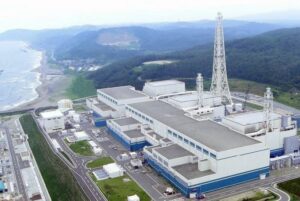
- Reactor Restart: Japan has restarted Reactor No. 6 at the Kashiwazaki-Kariwa nuclear plant, the world’s largest nuclear power station by capacity, following rigorous environmental clearance processes.
- Post-Fukushima Move: This marks a major step nearly 15 years after the 2011 Fukushima nuclear disaster, which led to the shutdown of all reactors and prompted a reevaluation of environmental impact assessments.
- Energy Strategy: The restart aligns with Japan’s efforts to revive nuclear energy to strengthen energy security and reduce fossil fuel dependence, while adhering to stricter environmental regulations.
KEY DETAILS OF THE RESTART
- Plant Location: The Kashiwazaki-Kariwa plant is located northwest of Tokyo in Niigata Prefecture and is operated by Tokyo Electric Power Company (TEPCO), with special consideration for coastal regulation zone requirements.
- Operational Timeline: The reactor restart was delayed by one day due to an alarm malfunction, with commercial operations expected next month, following comprehensive environmental clearances.
- Capacity Significance: The facility is the largest nuclear power plant globally, underlining the strategic importance of the restart and the need for stringent environmental safeguards.
- Safety Oversight: Restart follows regulatory approvals and safety upgrades introduced after Fukushima, including stricter disaster preparedness norms and application of the precautionary principle.
- Gradual Revival: Japan is adopting a phased approach to nuclear restarts rather than a full-scale revival, ensuring thorough environmental impact assessments at each stage.
JAPAN’S ENERGY POLICY CONTEXT
- Pre-2011 Role: Before Fukushima, nuclear energy contributed nearly 30% of Japan’s total electricity generation, with less emphasis on environmental clearances.
- Future Targets: Japan earlier aimed to raise nuclear power’s share to around 50% by 2030, though targets have since been moderated to balance energy needs with environmental concerns.
- Energy Security: Nuclear revival supports energy self-reliance, especially after increased fuel import costs following global energy disruptions, while striving for a pollution-free environment.
- Climate Goals: Nuclear power is seen as crucial for achieving carbon neutrality by reducing reliance on coal and gas, in line with international environmental commitments.
- Public Sensitivity: Restart decisions continue to face public scrutiny and local opposition, reflecting lingering safety concerns and the growing importance of environmental democracy.
NUCLEAR ENERGY IN JAPAN |
| ● Resource Constraint: Japan has limited domestic fossil fuel resources, making nuclear energy a key pillar of long-term energy planning, subject to strict environmental regulations. |
| ● Fukushima Impact: The 2011 Fukushima Daiichi disaster triggered regulatory reforms and a nationwide nuclear shutdown, leading to more rigorous environmental impact assessments. |
| ● Regulatory Framework: Japan established a stronger Nuclear Regulation Authority (NRA) to enforce safety and risk mitigation, incorporating principles from the Forest Conservation Act and other environmental laws. |
| ● Energy Mix Balance: Nuclear power complements renewables and efficiency measures to ensure stable baseload supply, with a focus on creating a pollution-free environment. |
| ● Strategic Debate: Japan continues to balance energy security, climate commitments, and public safety in its nuclear policy, guided by evolving environmental jurisprudence. |

