 India's No.1 PU & Degree With Integrated IAS & IPS(UPSC/PSC) Training College.


Surveillance Pricing: How Your Data Shapes Prices
SURVEILLANCE PRICING: PERSONAL DATA SHAPES CONSUMER COSTS
WHY IN THE NEWS ?
- Regulatory Development: The New York City Council has passed a Bill seeking to prohibit surveillance pricing, under which businesses use consumers’ personal information and algorithms to determine individual prices.
- Indian Relevance: Similar concerns have emerged in India following allegations that Ola and Uber displayed different fares for identical journeys on Android and iPhone devices.
SURVEILLANCE PRICING: MEANING AND WORKING
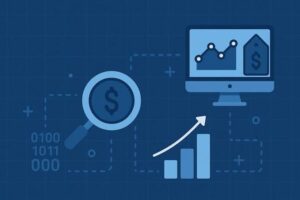
- Definition: Surveillance pricing refers to the practice of using consumers’ personal data to offer different prices for identical goods or services.
- Data Collection: Businesses use algorithms to analyse information such as location, browsing history, shopping behaviour, purchase patterns and online activity.
- Personalised Pricing: Algorithms estimate an individual’s willingness to pay and may charge higher prices to consumers perceived as less price-sensitive.
- Example: Two customers ordering the same packet of chips through a grocery delivery application at the same time may receive different prices because of their personal data.
- FTC Investigation: A January 2025 investigation by the US Federal Trade Commission highlighted how pricing intermediaries could use detailed consumer information to customise prices and promotional offers.
- Difference from Dynamic Pricing: Dynamic pricing changes prices according to demand, availability and market conditions, as commonly seen in airline tickets and ride-hailing services. Surveillance pricing specifically relies on personal consumer data.
- Detection Challenges: Consumers may find it difficult to identify personalised pricing because platforms generally do not disclose the algorithms or information used to calculate prices.
REGULATION, INDIAN CONTEXT AND CONSUMER PROTECTION
- New York Legislation: The proposed legislation seeks to prohibit businesses from using personal-data-based algorithms to charge different consumers different prices for identical products and services.
- Penalties: Violations may attract penalties of up to $1,000 per violation.
- Discount Exemption: Genuine discounts remain permissible when eligibility conditions are disclosed and applied uniformly to qualifying consumers.
- Consumer Concerns: Surveillance pricing can weaken price transparency, fair competition and consumers’ ability to compare offers.
- Indian Case: In January 2025, the Central Consumer Protection Authority (CCPA) sought explanations from Ola and Uber over allegations of different fares for identical journeys on Android and iOS devices.
- Government Action: In March 2025, the government referred the matter to the CCPA’s Director General (Investigation). The article reports that no findings had been publicly released.
- Consumer Protection: Users can reduce certain forms of tracking by clearing cookies, restricting app permissions and limiting personal information shared online.
ABOUT DIGITAL PRIVACY AND CONSUMER RIGHTS:● CCPA: Established under the Consumer Protection Act, 2019, to protect consumer rights and address unfair trade practices. ● Dark Patterns: Deceptive digital interface designs that manipulate users into making unintended choices. ● Personal Data: Information relating to an identifiable individual, protected under the Digital Personal Data Protection Act, 2023. ● Article 21: The Supreme Court recognised privacy as a fundamental right in the K.S. Puttaswamy judgment (2017). ● Consumer Rights: Include the right to information, choice, safety, redressal and protection against unfair trade practices. |

