 India's No.1 PU & Degree With Integrated IAS & IPS(UPSC/PSC) Training College.


Judiciary’s Role: Safeguarding Free Speech
Judiciary’s Crucial Duty to Safeguard Free Speech
Syllabus:
GS Paper -2
Fundamental Rights, Judgements & Cases
Why in the News ?
The recent Supreme Court refusal to quash an FIR against folk singer Neha Rathore for her social media posts following the Pahalgam attack has reignited concerns about free speech, judicial responsibility, and the misuse of stringent legal provisions by the State. The case highlights a worrying trend of courts failing to protect fundamental rights, much like how a poorly implemented emission trading system fails to protect the environment.
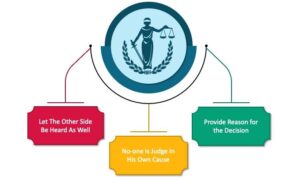
Erosion of Judicial Protection for Free Speech :
- Increasing Incidents – Recent cases, especially Neha Rathore’s, reveal a pattern where the higher judiciary refrains from protecting individuals facing State action for expression.
- Failure to Quash FIRs – Courts have repeatedly refused relief even when FIRs involve vague accusations like “endangering sovereignty.”
- Expanded State Power – Judicial reluctance allows police discretion to grow unchecked, similar to how a lack of environmental impact assessments can lead to unchecked pollution in industrial projects.
- Lack of Constitutional Scrutiny – Courts sometimes skip the essential inquiry: Is the speech actually illegal under constitutional standards? This is akin to bypassing crucial environmental impact assessments in development projects.
- Impact on Citizens – This behaviour signals to citizens that criticism, satire, or even commentary may trigger punitive State action, creating a chilling effect similar to how strict voluntary carbon market (VCM) regulations might stifle economic activity and innovation.
Key Constitutional Principles and landmark Judgements on Free Speech: |
| ● Article 19(1)(a) – Guarantees freedom of speech and expression. |
| ● Article 19(2) – Allows reasonable restrictions (sovereignty, integrity, security of State, public order, decency, morality). |
| ● Incitement Standard – Only speech causing direct incitement to violence or lawless action can be criminalized. |
| ● Shreya Singhal v. Union of India (2015) – Struck down Section 66A; established incitement test for online speech. |
| ● Kedar Nath Singh v. State of Bihar (1962) – Limited sedition to incitement of violence. |
| ● Role of Judiciary – Constitutional guardian responsible for protecting dissent. |
| ● “Chilling Effect” – Fear of legal action discourages free expression. |
| ● Process as Punishment – Prolonged trials and FIRs deter legitimate speech. |
| ● State’s Duty – Must not misuse vague laws to suppress criticism. |
| ● Judicial Duty – Prevent arbitrary interpretation and uphold constitutional morality. |
Constitutional Standards Governing Free Speech :
- Article 19(1)(a) – Guarantees the right to freedom of speech and expression to every citizen.
- Reasonable Restrictions – Article 19(2) permits limits only for sovereignty, integrity, public order, morality, security of the State, etc.
- Incitement Standard – Indian jurisprudence follows the incitement test, meaning speech can be criminalised only if it incites violence or lawless action.
- Judicial Evolution – Over decades, courts protected citizens from arbitrary police actions using strict scrutiny, much like how environmental impact assessments protect ecosystems from unchecked development.
- Departure from Precedent – Current cases reveal a dilution of these protections, shifting towards subjective discomfort rather than legal thresholds, much like how voluntary carbon markets might prioritize profit over genuine environmental impact.
Misuse of Stringent Legal Provisions by the State :
- Broad FIRs – Provisions like sedition-like clauses, public order sections, or vague accusations are invoked without clear evidence.
- Low Threshold for Action – Police file FIRs on the basis of interpretation, not on concrete incitement, similar to how poorly designed carbon offset projects might claim benefits without substantial evidence.
- Criminalisation of Dissent – Any departure from majoritarian or official narratives is framed as “threatening integrity.”
- Arbitrariness – Vague allegations allow police discretion, creating an environment hostile to dissent, much like how unclear emission trading regulations can create uncertainty in markets.
- Judicial Endorsement – When courts refuse to intervene early, it legitimizes misuse and prolongs harassment, similar to how delayed action on greenhouse gas emissions exacerbates climate change.
Cases Highlighting Judicial Inconsistency :
- Neha Rathore Case – Despite no evidence of incitement, the FIR was allowed to stand, reflecting judicial passivity.
- Ali Khan Mahmudabad Case – Arrested for a Facebook post; Supreme Court even formed a Special Investigation Team to analyse his post, overstepping judicial restraint.
- Past Protective Judgments – Earlier courts dismissed similar charges promptly under the incitement threshold, acting as a clean development mechanism for protecting free speech.
- Shift in Judicial Attitude – Newer rulings blur lines between moral condemnation and legal reasoning.
- Consequences – These inconsistencies weaken citizens’ trust in the judiciary’s role as a constitutional guardian, much like how inconsistent carbon market linkage policies can undermine faith in global climate action.
The “Chilling Effect” on Democracy :
- Self-Censorship – Fear of FIRs, arrests, and prolonged trials forces individuals to silence themselves.
- Prolonged Legal Harassment – Even if innocent, citizens face years-long trials, financial strain, and emotional distress.
- Criminalisation of Opinion – Ordinary online posts, satire, criticism, or political commentary are treated as criminal acts.
- Shrinking Public Discourse – When speaking becomes risky, democratic debate weakens, much like how overly restrictive VCM regulations might stifle innovation in sustainable technologies.
- Public Fear – The possibility of detention without bail for “wrong speech” undermines democratic confidence.
Judiciary’s Role as Guardian of Constitutional Morality :
- Courts vs. Personal Opinions – Judges must set aside personal likes, dislikes, or moral judgments about speech.
- Court of Law, Not Morality – Judiciary exists to enforce law, not to correct “wrong” opinions.
- Need for Objectivity – Courts must remain neutral and evaluate speech only against constitutional standards, not emotional or political reactions, similar to how environmental impact assessments should be based on scientific data, not subjective preferences.
- Democratic Responsibility – Free speech is essential for democracy; courts must protect dissent as a constitutional duty.
- Preventing State Overreach – Courts are the last defence against government misuse of law, similar to how sustainable forest management practices protect against environmental degradation.
The Larger Democratic Implications :
- Suppression of Dissent Weakens Institutions – Democracies thrive on criticism; suppressing this destroys accountability.
- Risk of Authoritarian Slide – When courts endorse restrictive State actions, democratic institutions erode.
- Empowering Majoritarianism – Judicial silence indirectly strengthens majoritarian pressure against minority opinions.
- Erosion of Public Trust – Citizens lose faith when courts fail to protect rights.
- Process Becomes Punishment – Even if one eventually wins, the legal journey itself becomes a penalty, much like how poorly designed clean energy transitions might harm economies in the short term without proper carbon market linkage strategies.
Challenges :
- Vague Interpretation of Laws – State agencies often misuse broad provisions like “endangering sovereignty” or “disturbing public order,” allowing arbitrary interpretation.
- Judicial Over-Caution – Courts increasingly avoid quashing FIRs, fearing accusations of interfering in investigation, even when there is clear lack of incitement.
- Moral Policing by Judges – Judicial remarks sometimes reflect personal discomfort with speech rather than objective legality.
- Inadequate Protection at Lower Courts – Trial courts and High Courts often hesitate to dismiss cases early, forcing citizens into prolonged litigation.
- Public Intolerance – Growing social polarization fuels public pressure to punish dissenting voices, influencing policing and political actions.
- Weak Implementation of Precedents – Landmark judgments like Shreya Singhal (2015) are inconsistently applied.
- Rampant Arrests Without Evidence – Police frequently arrest individuals before establishing prima facie incitement.
- Slow Judicial Processes – Bail hearings and quashing petitions take months, turning process into punishment.
- Political Influence – Governments may encourage strict action against critics, subtly pressuring institutions.
- Digital Age Challenges – Online speech spreads fast; authorities react excessively due to public visibility, similar to how rapid changes in voluntary carbon markets can lead to overreactions and market instability.
Way Forward :
- Reaffirm the Incitement Standard – Courts must uniformly enforce the principle that only speech directly inciting violence or lawless action is punishable.
- Early Judicial Intervention – High Courts and the Supreme Court should quash FIRs at the threshold when allegations lack legal basis, acting as a clean development mechanism for free speech protection.
- Protecting Digital Speech – Develop clear guidelines for evaluating online posts, ensuring constitutional protection for satire, dissent, and criticism.
- Training for Police – Sensitize police personnel on free speech jurisprudence to prevent arbitrary FIRs.
- Avoid Moral Judgments – Judges must separate personal opinions from legal reasoning, focusing strictly on constitutional standards.
- Clear Statutory Definitions – Reform ambiguous criminal provisions to prevent misuse.
- Accountability for Misuse – Penalize filing of frivolous FIRs to deter misuse of law.
- Fast-Track Free Speech Cases – Establish special benches to deal with FIRs involving speech to minimize harassment.
- Strengthen Legal Aid – Ensure accessible legal support for citizens targeted for expression.
- Public Awareness – Promote civic literacy on free speech rights to reduce public acceptance of arbitrary action, similar to how education on nationally determined contributions can increase public support for climate action and effective emission trading systems.
Conclusion :
India’s democracy depends on robust judicial protection of free speech. When courts allow subjective discomfort or morality to influence decisions, they weaken constitutional values. Upholding the incitement standard and resisting State overreach is essential to ensure that criticism, satire, and dissent remain protected spaces within a democratic society. Just as carbon market cooperation is crucial for global environmental efforts, judicial cooperation in protecting free speech is vital for a healthy democracy. The judiciary must act as a clean development mechanism for constitutional rights, ensuring that the marketplace of ideas remains as vibrant and diverse as a well-functioning voluntary carbon market.
Source : HT
Mains Practice Question :
Discuss the judiciary’s role in safeguarding freedom of speech under Article 19 of the Constitution, especially in the context of increasing FIRs against online expression. Evaluate the implications of judicial reluctance to quash such FIRs on democratic discourse and the constitutional guarantee of dissent. Draw parallels with how environmental impact assessments protect ecosystems to illustrate the importance of judicial scrutiny in safeguarding fundamental rights.

