 India's No.1 PU & Degree With Integrated IAS & IPS(UPSC/PSC) Training College.


Jingkieng Jri (Living Root Bridges), Meghalaya
Jingkieng Jri (Living Root Bridges), Meghalaya
Jingkieng Jri, the Khasi term for Living Root Bridges, refers to bio-engineered pedestrian bridges created by training the aerial roots of the rubber fig tree (Ficus elastica) across streams in the Khasi and Jaintia Hills of Meghalaya. Developed over 15–30 years, these living structures strengthen with age and can last for centuries, reflecting deep indigenous ecological knowledge and community stewardship.
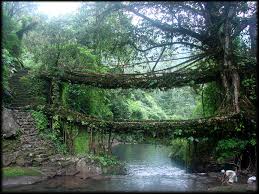
The rubber fig tree, a tropical evergreen of the Moraceae family, produces strong, flexible aerial roots that are guided using bamboo and wooden frameworks. The bridges are eco-friendly, flood-resilient, and require no cement or steel.
Current relevance:
Meghalaya Chief Minister Conrad K. Sangma thanked Prime Minister Narendra Modi and Union Culture Minister Gajendra Singh Shekhawat for India’s move to nominate Jingkieng Jri for UNESCO World Heritage status. Titled “Jingkieng Jri: Living Root Bridge Cultural Landscapes”, the site is already on UNESCO’s Tentative List, highlighting its value as living architecture, sustainable infrastructure, and human–nature harmony.




