 India's No.1 PU & Degree With Integrated IAS & IPS(UPSC/PSC) Training College.


Japan Restarts World’s Largest Nuclear Plant
Japan Approves Restart of World’s Largest Nuclear Plant
Why in the News ?
Japan’s Niigata authorities have approved restarting the Kashiwazaki-Kariwa nuclear power plant, the world’s largest facility, for the first time since the 2011 Fukushima disaster. The final clearance now rests with Japan’s nuclear regulator amid renewed focus on energy needs and carbon neutrality goals.
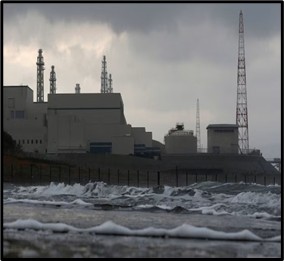
Approval to Restart the Kashiwazaki-Kariwa Nuclear Plant:
- Local authorities in Niigata Prefecture have signaled approval for restarting the Kashiwazaki-Kariwa plant, owned by TEPCO, for the first time since Fukushima’s meltdown in 2011.
- Governor Hideyo Hanazumi confirmed he “would approve” reopening, though the Nuclear Regulation Authority (NRA) must give the final clearance.
- The plant was shut down after the 2011 earthquake and tsunami, which triggered meltdowns at the Fukushima plant and led Japan to halt almost all nuclear operations.
- Japan, being resource-poor, wants to revive nuclear power to reduce heavy dependence on imported fossil fuels, meet rising AI-driven energy demand, and achieve carbon neutrality by 2050.
- So far, 14 reactors across Japan have resumed operations under strengthened safety standards introduced after the Fukushima disaster.
Safety Upgrades and Strategic Importance
- The Kashiwazaki-Kariwa facility sprawls over 400 hectares along the Sea of Japan and is the world’s largest nuclear plant by output capacity.
- New protection measures include a 15-metre tsunami wall, elevated backup power systems, and enhanced emergency protocols.
- This would be the first TEPCO-operated nuclear restart since the Fukushima crisis, marking a significant policy shift after years of public hesitation toward nuclear energy.
- Prior to 2011, nuclear energy contributed nearly one-third of Japan’s electricity, reducing fossil fuel dependence significantly.
- In July, Kansai Electric initiated planning for Japan’s first new nuclear reactor since 2011, signaling a broader revival in the nuclear sector.
Japan’s Nuclear Energy Landscape :● Fukushima Disaster (2011): Triggered by a 9.0 magnitude earthquake and tsunami; caused three reactor meltdowns. ● Nuclear Regulation Authority (NRA): Japan’s primary safety regulator formed after Fukushima to enforce strict standards. ● TEPCO: Operator of both Fukushima and Kashiwazaki-Kariwa plants; heavily scrutinized for safety compliance. ● Japan’s Energy Mix: Nuclear was ~30% before 2011; now dominated by LNG, coal, and oil imports. ● Carbon Neutrality Target: Japan aims for net-zero emissions by 2050, increasing reliance on nuclear and renewables. |

