 India's No.1 PU & Degree With Integrated IAS & IPS(UPSC/PSC) Training College.


Iran War Raises Agrochemical Supply Risks For India
Iran War Raises Agrochemical Supply Risks For India
Why in the News ?
The ongoing Iran conflict has raised concerns over fertiliser and agrochemical supply disruptions, even as India holds ample foodgrain stocks and expects a bumper rabi harvest, potentially balancing inflation risks but exposing vulnerabilities in import-dependent agricultural inputs that require stringent environmental clearances and regulatory oversight.
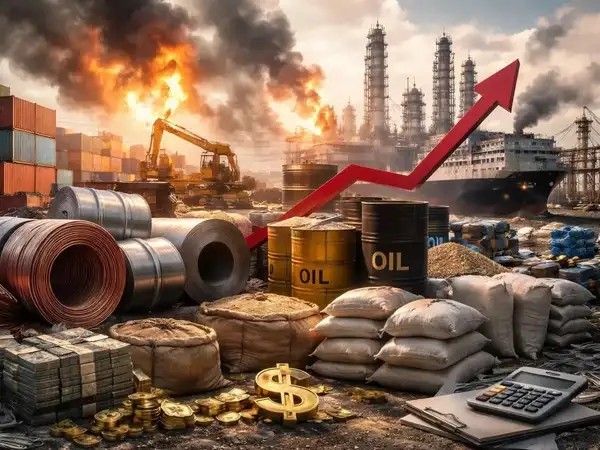
Food Security Cushion and Inflation Outlook:
- India currently has comfortable foodgrain stocks, with 23.6 million tonnes of wheat and 36.5 million tonnes of rice in government reserves.
- Compared to previous years, stock levels are significantly higher, ensuring food availability stability.
- A bumper rabi harvest (2025-26) is expected due to good monsoon rainfall and favourable climatic conditions supporting a pollution free environment for crop growth.
- Increased acreage under crops like wheat, mustard, maize, pulses, potato, and onion supports higher production.
- As a result, food inflation pressures remain under control, similar to the situation during the COVID-19 pandemic.
Supply Chain Disruptions in Fertilisers and Agrochemicals
- The Iran war has disrupted supply chains from the Gulf region, a key supplier of fertilisers and raw materials that must comply with environmental impact assessment protocols.
- Imports of urea, DAP (Di-Ammonium Phosphate) and inputs like ammonia, sulphur, and natural gas are affected, particularly through coastal regulation zone facilities.
- Prices have surged:
○ Ammonia: $450–470 → $725–750 per tonne
○ Sulphur: <$200 → $700+ per tonne
○ DAP: ~$650 → $825 per tonne
- Around 55–60% of global naphtha supply (key for agrochemicals) is linked to West Asia, making it vulnerable.
- Rising input costs also increase prices of pesticides, herbicides (e.g., glyphosate) and even packaging materials (30–40% rise).
About Fertiliser Use, Imports and Policy Concerns:● India annually consumes about: ○ 40 million tonnes urea ○ 10 million tonnes DAP ○ 14 million tonnes complex fertilisers ○ 5 million tonnes SSP (Single Super Phosphate) ● India is heavily dependent on imports for fertilizer inputs, making it vulnerable to global shocks, necessitating robust environmental clearance frameworks for domestic production facilities. ● The Strait of Hormuz is a critical chokepoint for supply of crude oil and petrochemicals used in fertilizer production. ● The government provides nutrient-based subsidies (NBS) to ensure affordability for farmers, following the polluter pays principle and precautionary principle in environmental jurisprudence. ● Policy focus should be on: ○ Promoting balanced fertilisation while ensuring compliance with EIA notification requirements ○ Boosting domestic production of complex fertilisers and SSP through proper environmental clearances, avoiding ex post facto or retrospective environmental clearances as highlighted in the Vanashakti judgment ○ Improving nutrient-use efficiency while adhering to Forest Conservation Act provisions and promoting environmental democracy in decision-making processes |


