 India's No.1 PU & Degree With Integrated IAS & IPS(UPSC/PSC) Training College.


India’s Strategic Autonomy Challenge Explained
India Strategic Autonomy Challenge
Syllabus
GS 2: India and its Neighbourhood
Why in the News?
Recently, the Iran war and increasing American pressure on trade, energy, and strategic policies raised concerns about India’s strategic autonomy and the effectiveness of its partnerships with Europe and major powers, affecting the country’s balance of payment position and international trade relationships.
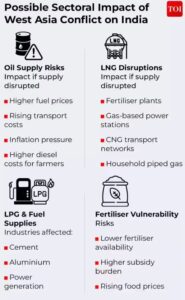
Introduction
- The ongoing Iran war has created major geopolitical and economic uncertainty across the global economy, impacting international trade flows and financial transactions.
- For India, the conflict is not only about energy security but also about maintaining strategic autonomy in a rapidly changing global order while managing its current account balance and external sector stability.
- The crisis has exposed the limits of India’s diplomatic balancing strategy and increased pressure from major powers, affecting capital flows and foreign exchange market dynamics.
Impact of the Iran War on India
Iran’s Importance for India
- Iran has been extremely important for India because of its role in energy security, regional connectivity, and geopolitical balance, directly influencing India’s trade balance and current account position.
- A stable relationship with Tehran allowed India to maintain strategic flexibility in West Asia despite competing international pressures and helped manage the trade deficit through affordable energy imports.
Iran War as a Generational Challenge
- The conflict involving the United States, Israel, and Iran has become one of the biggest foreign policy challenges for India in decades, with significant implications for international economics and global trade patterns.
- Unlike the Ukraine war, this crisis directly affects India’s interests in West Asia, trade routes, and energy supplies, potentially widening the current account deficit and affecting foreign currency reserves.
Global Consequences of the Conflict
- The war has disrupted global commerce, raised energy prices, and increased uncertainty in international markets, creating global imbalances that affect both emerging economies and advanced economies.
- It has also highlighted the continued strength of American military and geopolitical dominance in global affairs, influencing exchange rates and international payments systems.
India’s Recent Agreements with Europe
Rafale Fighter Jet Deal with France
- India recently finalised the purchase of 114 Rafale fighter jets from France in a major defence agreement, representing significant capital outflows and foreign direct investment in defence technology.
- The deal was viewed as an effort to strengthen India’s military capabilities and diversify defence partnerships while managing the capital account and attracting foreign investment in manufacturing.
India-European Union Free Trade Agreement
- India also moved closer to a major Free Trade Agreement (FTA) with the European Union after nearly two decades of negotiations, aiming to boost international trade and improve the trade surplus with European markets.
- Many observers considered this agreement an important step toward stronger economic cooperation between India and Europe, potentially enhancing capital inflows and financial integration with advanced economies.
Influence of Donald Trump’s Tariff Policies
- The quick progress in these agreements was largely influenced by the tariff policies of Donald Trump, which threatened to worsen the trade deficit and affect the balance of payment for developing countries.
- Countries such as India and France were trying to reduce dependence on American economic pressure and uncertainty, seeking to diversify investment flows and strengthen their international investment position.
Challenges to India’s Strategic Autonomy
Meaning of Strategic Autonomy
- Strategic autonomy means India’s ability to maintain independent foreign policy decisions without excessive influence from any major power, while managing economic transactions and maintaining a stable current account balance.
- India has historically balanced relations with multiple countries while avoiding formal military alliances, successfully navigating the international monetary system and global trade dynamics.
Earlier Flexibility in Economic Relations
- Earlier, the American-led global economic system was relatively open and allowed countries to pursue independent economic policies without facing severe capital controls or restrictions on capital transfers.
- India could deepen trade with the United States while simultaneously maintaining strong ties with Russia, China, and Iran, managing its external debt and foreign assets effectively across diverse markets.
Shift in American Economic Strategy
- Under President Trump, the United States increasingly demands that countries align their economic policies with American strategic interests, affecting international finance and creating pressure on deficit countries to adjust their exchange rate regime.
- This represents a major departure from the earlier liberal economic order established after the Second World War, impacting foreign investors and international competitiveness of emerging economies.
Economic and Military Pressure Together
- The combination of economic coercion and military unilateralism makes it more difficult for countries like India to remain independent, affecting their ability to attract foreign investment and maintain a healthy current account surplus.
- India now faces pressure not only in defence and security matters but also in trade and economic policymaking, with implications for the financial account and foreign exchange market stability.
India-U.S. Relations and Balancing Strategy
Growth in India-U.S. Economic Ties
- The United States became India’s largest trading partner in 2021-22, reflecting deepening commercial relations between the two countries and significantly improving India’s trade balance with advanced economies.
- This happened even while India continued strong economic engagement with China despite worsening U.S.-China relations, demonstrating India’s ability to manage complex global trade relationships and maintain surplus countries status in certain sectors.
India’s Multi-Alignment Policy
- India has successfully maintained relations with countries having competing interests, including the U.S., Russia, China, Iran, Israel, and European powers, while managing capital flows and foreign liabilities across diverse international financial markets.
- This balancing strategy has been a clear expression of India’s independent foreign policy approach, helping maintain financial integration with the global economy while protecting national interests.
Pressure Regarding Russia and Iran
- The United States has demanded that India reduce Russian oil imports and reconsider strategic cooperation with Iran, especially the Chabahar port project, which could worsen the current account deficit and affect energy security.
- Washington has also opposed discussions within BRICS regarding reducing dependence on the U.S. dollar, concerned about potential shifts in the international monetary system and global savings patterns.
Temporary Relief on Russian Oil
- America’s temporary 30-day waiver allowing Russian oil purchases provided India some relief regarding energy security and helped manage the trade deficit through access to discounted crude oil.
- However, this relief still depended entirely on decisions made by Washington, limiting India’s independence and creating uncertainty in the foreign exchange market and capital account management.
Security Concerns and Regional Image
Incident Involving Iranian Naval Ship
- A U.S. submarine reportedly sank the Iranian naval ship IRIS Dena in the Indian Ocean after it participated in India’s naval exercise, affecting regional perceptions of India’s strategic autonomy.
- This incident created embarrassment for India and affected its image as a leading regional naval power among developing countries in the Indian Ocean region.
Impact on India’s Regional Influence
- India’s ability to project itself as a stable and influential regional actor suffered because the incident occurred near its strategic maritime sphere, potentially affecting foreign investors’ confidence in regional stability.
- It highlighted the difficulty of maintaining neutrality during major geopolitical conflicts involving powerful nations, with implications for international investment and economic transactions in the region.
Limitations of India’s European Partnerships
Rafale Deal and Technology Transfer Issues
- India chose French Rafale aircraft partly because it expected better technology transfer and domestic production opportunities, aiming to reduce capital outflows and build domestic capabilities.
- However, concerns remain regarding limited access to critical source codes and algorithms controlled by France, affecting the true value of foreign direct investment in defence technology.
Dependence on Foreign Defence Systems
- Because key technologies remain under French control, India may continue depending on France for upgrades and maintenance, creating ongoing capital account deficit pressures and foreign liabilities.
- This situation may weaken India’s ‘Make in India’ defence manufacturing ambitions and limit the country’s ability to develop indigenous capabilities that could improve the external sector balance.
Political Challenges to the India-EU FTA
- The proposed trade agreement faces domestic opposition from farmers and industrial workers, who fear economic disadvantages and potential job losses despite promises of improved trade balance and capital inflows.
- These groups form a large electoral base, making trade liberalisation politically sensitive in India, even when it could potentially attract foreign investment and improve international competitiveness.
Europe’s Strategic Interests
- France and the European Union may also use trade and commerce as tools to gain greater leverage over India, potentially affecting the country’s balance of payment and foreign currency reserves management.
- Therefore, economic agreements with Europe do not completely eliminate geopolitical or economic risks for India, and may create new dependencies affecting the financial account and foreign stock exchange investments.
America’s Continuing Influence Over Europe
Europe’s Dependence on the United States
- Although Europe occasionally expresses disagreement with Washington, it often aligns with American strategic positions during crises, affecting global imbalances and international payments systems.
- This pattern raises doubts about Europe acting independently in global geopolitical conflicts, with implications for emerging economies seeking to diversify away from American-dominated financial transactions.
Marco Rubio’s Munich Speech
- U.S. Secretary of State Marco Rubio stated at the Munich Security Conference that Europe and America belong together civilisationally, signaling closer economic integration between advanced economies.
- He supported the idea of a “western supply chain”, suggesting a more exclusive economic and geopolitical bloc that could affect capital flows and foreign bonds markets for developing countries.
Concerns for the Global South
- Such developments indicate that countries of the Global South may be treated more as areas of competition rather than equal partners, potentially facing capital controls and restricted access to international investment.
- This could create a hierarchical international order dominated by Western strategic interests, affecting the BOP (balance of payment) positions and external debt management of emerging economies.
Implications for India’s Foreign Policy
Difficulty in Maintaining Neutrality
- The Iran war demonstrates how difficult it is becoming for India to maintain equal relations with all major powers simultaneously, affecting its ability to manage the current account and attract foreign investment from diverse sources.
- Growing geopolitical polarisation reduces the space available for independent diplomacy and strategic flexibility, potentially forcing India to choose sides and affecting its position in international financial markets.
Need for Diversified Partnerships
- India must continue diversifying economic and defence partnerships to reduce dependence on any single country or bloc.
- Stronger domestic manufacturing and energy security are essential for protecting strategic autonomy in future crises.
Importance of Regional Stability
- Stability in West Asia remains extremely important because millions of Indians work in the region and depend on its economic prosperity.
- Continued instability could seriously affect India’s energy imports, trade routes, and diaspora interests.
Conclusion
The Iran war has exposed growing limits to India’s strategic autonomy amid increasing global polarisation. Maintaining balanced relations, strengthening domestic capabilities, and protecting independent decision-making will remain essential for India’s foreign policy and long-term national interests.
Source: The Hindu
Mains Practice Question
Discuss the challenges faced by India in balancing relations with major powers in an increasingly polarised world order.

