India's No.1 PU & Degree With Integrated IAS & IPS(UPSC/PSC) Training College.


HANTAVIRUS OUTBREAK AND GLOBAL HEALTH SURVEILLANCE
HANTAVIRUS OUTBREAK AND GLOBAL HEALTH SURVEILLANCE
Why in the News?
- WHO Alert: World Health Organization reported a cluster of Andes hantavirus infections aboard the Dutch cruise ship MV Hondius.
- Fatal Cases: The outbreak resulted in three deaths, six laboratory-confirmed cases, and two probable infections among passengers and crew.
- Public Concern: Renewed attention emerged due to comparisons with the COVID-19 pandemic and fears of another global outbreak, emphasizing the need for environmental democracy in health surveillance.
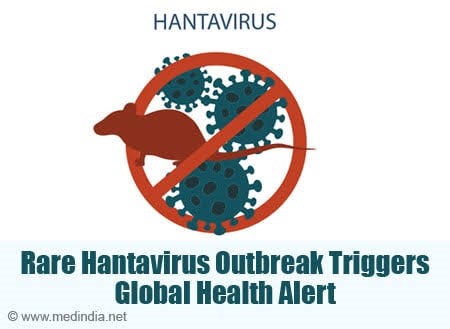
Key features of hantavirus
- Zoonotic Nature: Hantaviruses are primarily spread through contact with infected rodent urine, saliva, or droppings.
- Known Pathogen: Scientists have studied hantaviruses for nearly 70 years, unlike the novel SARS-CoV-2 virus.
- Limited Spread: The Andes virus is the only hantavirus known to allow occasional person-to-person transmission.
- Long Incubation: The incubation period ranges from one to eight weeks, requiring prolonged international monitoring.
- Global Risk: WHO currently considers the outbreak risk to the wider global population as low, applying the precautionary principle in its assessment.
Important differences from COVID-19
- Transmission Mode: COVID-19 spread rapidly through respiratory droplets, while hantavirus transmission mainly occurs through infected rodents.
- Community Spread: SARS-CoV-2 enabled large-scale human-to-human transmission, whereas Andes virus transmission requires close prolonged contact.
- Scientific Familiarity: Hantaviruses are already well understood epidemiologically, unlike the early uncertainty surrounding COVID-19.
- Preparedness Levels: Countries now possess improved surveillance, laboratory, and genomic monitoring systems after the pandemic experience.
- Risk Perception: WHO outbreak alerts are operational advisories for governments and health systems, not immediate signals for public panic.
Zoonotic diseases● Zoonotic Diseases are infectious diseases transmitted between animals and humans. ● Common zoonotic diseases include rabies, avian influenza, Nipah virus, Ebola, and hantavirus infections. ● Factors such as climate change, urbanisation, deforestation, and wildlife-human interaction increase zoonotic spillovers, requiring comprehensive environmental impact assessment for development projects. ● The One Health Approach integrates human, animal, and environmental health for disease prevention and control, promoting a pollution free environment. ● India strengthens zoonotic disease preparedness through surveillance networks, laboratory expansion, and coordinated outbreak-response systems. |