 India's No.1 PU & Degree With Integrated IAS & IPS(UPSC/PSC) Training College.


India’s FTA Challenges: 4 Key Issues to Note
FOUR CHALLENGES THAT DEMAND ATTENTION IN INDIA’S FTAs
Why in the News?
- India–Oman Comprehensive Economic Partnership Agreement (CEPA) came into effect on 1 June, expanding India’s network of Free Trade Agreements (FTAs) and enhancing international trade opportunities.
- India currently has 15 FTAs covering 27 countries, while 9 additional trade agreements with 42 countries are under negotiation or nearing completion, opening new avenues for agricultural exports and global markets access.
- Once these agreements are finalized, India’s FTA partners will increase to 69 countries, potentially accounting for around 75% of India’s exports, including agri-food exports and value-added agricultural products.
- The rapid expansion of India’s FTA architecture has renewed debate on its economic implications, particularly regarding:
○ Rising trade deficits with FTA partners in international markets.
○ Low utilisation of FTA benefits by Indian exporters in global markets.
○ Worsening inverted duty structures affecting domestic manufacturing and food processing sectors.
○ Relocation of manufacturing and investment to FTA partner countries.
- These concerns have significant implications for India’s trade competitiveness, industrial growth, employment generation, food security, and the success of initiatives such as Make in India and Atmanirbhar Bharat.
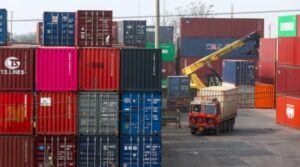
CHALLENGES ASSOCIATED WITH INDIA’S FTAS
Rising Trade Deficit with FTA Partners:
Evidence of Growing Deficits:
- Between 2007–09 and 2022–25, India’s trade deficit increased across key international trade partners:
- ASEAN: +381%, Japan: +318%, South Korea: +268%
- In comparison, India’s trade deficit with the rest of the world increased by 142%.
- Over the last three years, India’s average annual trade deficit with ASEAN, Japan and South Korea reached $62 billion, affecting the export basket composition.
- Deficits under New FTAs: In FY2025, India exported $48.6 billion to the UAE, Australia, Mauritius and EFTA countries, including processed food products and agricultural exports.
○ Imports from these countries were nearly $100 billion, resulting in a trade deficit exceeding $50 billion.
○ As tariff reductions deepen, the trade imbalance may widen further, impacting export development strategies.
○ South Asia remains an exception, where India’s trade surplus increased from $6.7 billion to $20 billion, driven partly by nutri-cereals and traditional grains exports.
Reasons Behind the Deficit
- India’s trade-weighted MFN tariff is around 12.6%, whereas most FTA partners maintain much lower tariffs in global markets.
- Average MFN tariffs are:
○ Near zero in Singapore.
○ Below 4% in Japan, Australia, Malaysia and the UAE.
- Tariff reductions under FTAs provide foreign exporters significant cost advantages in the Indian market, affecting domestic food processing and sustainable agriculture sectors.
- Indian exporters gain limited additional access because partner-country tariffs were already low before FTAs, limiting market development opportunities.
Unequal Market Access
- Share of imports entering duty-free under MFN:
○ Singapore: Nearly 100%
○ Japan & Malaysia: Over 80%
○ EU & UK: More than 50%
○ India: Only about 6%
- Consequently, FTAs often provide greater benefits to foreign exporters than to Indian exporters, limiting trade promotion effectiveness for value-added agricultural products.
Low Utilisation of FTA Benefits by Indian Exporters
Limited Exporter Participation
- Only 20–30% of India’s eligible exports reportedly utilise FTA preferences, affecting export promotion initiatives and business networking opportunities with international buyers.
Key Reasons
- Many partner countries already maintain:
○ Zero tariffs, or
○ Very low tariffs (1–3%) under MFN arrangements.
- The tariff savings often do not justify:
○ Rules of Origin compliance and quality standards verification,
○ Certification requirements and food safety protocols,
○ Documentation and administrative costs, especially for export consignment processing.
- Small and medium enterprises (SMEs) particularly avoid the compliance burden, limiting their participation in trade exhibitions and international markets.
Import-Side Advantage
- India’s relatively high tariffs make FTA benefits more valuable for exporters selling to India, including those offering functional foods and millet-based products.
- Import-side utilisation rates are estimated at 60–70%.
- Thus, low export utilisation and rising imports stem from the same tariff asymmetry, affecting the value chain competitiveness.
Worsening Inverted Duty Structure
What is an Inverted Duty Structure?
- A situation where raw materials and intermediate inputs face higher duties than finished goods, undermining sustainable farming and domestic food processing.
Impact of FTAs
- Finished products from ASEAN, Japan, South Korea, UAE and Australia increasingly enter India at low or zero duty, including processed food products and ready-to-cook millet items.
- Indian manufacturers continue to pay higher duties on imported inputs, particularly from non-FTA countries, affecting sustainable agriculture initiatives.
Examples
- Steel and aluminium attract MFN duties of 7.5–10%.
- Machinery and engineering products made from these materials can enter India duty-free under several FTAs.
- Indian manufacturers therefore face:
○ Higher production costs,
○ Reduced competitiveness against imported finished goods in global demand scenarios.
Sectoral Impact
- Distortions are visible in Chemicals, Plastics, Rubber, Textiles, and food processing sectors producing millet functional foods and ancient cereals.
- Duties on inputs such as Caustic soda, Soda ash, Polypropylene, PVC, SBR, raise production costs for manufacturers of functional foods with health benefits.
- Simultaneously, many finished products including gluten-free items and products with nutritional benefits are imported at low or zero duty.
Consequences
- Protects basic material producers while hurting downstream manufacturing and crop diversification efforts.
- Reduces domestic value addition and nutritional security initiatives.
- Undermines the objectives of Make in India and sustainable agriculture development.
Relocation of Manufacturing: “Make in ASEAN, Sell in India”
Emerging Trend
- FTAs and inverted duty structures encourage firms to manufacture outside India and export finished goods back to the Indian market, affecting millet production and millet cultivation domestically.
Drivers
- Raw materials and components face duties in India.
- Finished goods from FTA partners often enter duty-free, including botanical-infused millets and climate-smart crops products.
- Manufacturing abroad can therefore become more profitable than producing domestically, impacting millet export potential.
ASEAN as a Manufacturing Hub
- Countries such as Vietnam, Thailand and Indonesia have attracted substantial investments in food processing and value-added agricultural products manufacturing.
- Chinese companies have established major manufacturing bases in these countries for producing items with protein content, dietary fiber, and micronutrients.
- Several Indian firms have also set up:
○ Factories for processing underutilized crops,
○ Joint ventures for crop improvement and maritime logistics,
○ Production facilities with water use efficiency and drought tolerance advantages,
to leverage lower costs and FTA benefits for products with antioxidants, phytochemicals, and bioactive compounds.
Affected Sectors
- Electronics
- Steel
- Chemicals
- Plastics
- Consumer goods including products with low glycemic index and anti-diabetic properties
- Engineering products and food processing units producing items with mineral content
Consequences
- Movement of investment and jobs outside India, affecting sci (scientific) research and development.
- Weakening of domestic manufacturing ecosystems and supply chains for sustainable farming.
- Shift from “Make in India” to “Make in ASEAN, Sell in India,” impacting domestic millet-based products and traditional grains sectors.
Way Forward
Rationalising Tariff Structure
- Align tariffs on raw materials and intermediate goods with FTA commitments to prevent inverted duty structures affecting food processing and agricultural exports.
- Reduce input costs for domestic manufacturers to enhance global competitiveness in international markets for value-added agricultural products.
Strengthening Domestic Manufacturing
- Ensure FTAs promote “Make in India” rather than incentivising firms to relocate production to FTA partner countries, supporting millet cultivation and crop improvement initiatives.
- Support value addition, industrial growth and supply-chain resilience within India for processed food products and functional foods.
Enhancing FTA Utilisation
- Simplify Rules of Origin (RoO), certification procedures and compliance requirements.
- Increase awareness and capacity-building initiatives, especially for MSMEs, to improve utilisation of FTA benefits.
Addressing Trade Imbalances
- Promote export diversification and improve market access for Indian products in partner countries.
- Monitor sector-wise trade deficits and adopt corrective trade and industrial policies where necessary.
Coordinated Government–Industry Action
- Foster collaboration between government and industry to address challenges arising from FTAs.
- Align trade policy with industrial policy to maximise benefits from trade agreements.
Ensuring Balanced Outcomes from FTAs
- Design FTAs that strengthen India’s manufacturing ecosystem rather than encouraging:
○ Higher imports,
○ Overseas production,
○ Relocation of investment and jobs,
○ Erosion of domestic industrial capacity.
Conclusion
- FTAs can be powerful instruments for expanding trade and integrating India into global value chains.
- However, their long-term success depends on addressing rising trade deficits, low utilisation rates, inverted duty structures and manufacturing relocation, thereby ensuring that trade agreements contribute to India’s industrialisation and economic growth.
Mains question
“India’s expanding Free Trade Agreements (FTAs) have increased market access but also raised concerns regarding trade deficits and industrial competitiveness. Critically examine the challenges posed by FTAs for India’s manufacturing sector.” (15 Marks, 250 Words)

