 India's No.1 PU & Degree With Integrated IAS & IPS(UPSC/PSC) Training College.


India Reconsiders Hosting COP33 Amid Climate Policy Shift
India Reconsiders Hosting COP33 Amid Climate Policy Shift
Why in the News ?
India has decided not to bid for COP33 (2028) despite an earlier offer, reflecting a shift towards prioritising national development interests over global climate leadership, amid disagreements on climate finance, emission targets, and global stocktake expectations, raising concerns about regulatory compliance and international credibility.
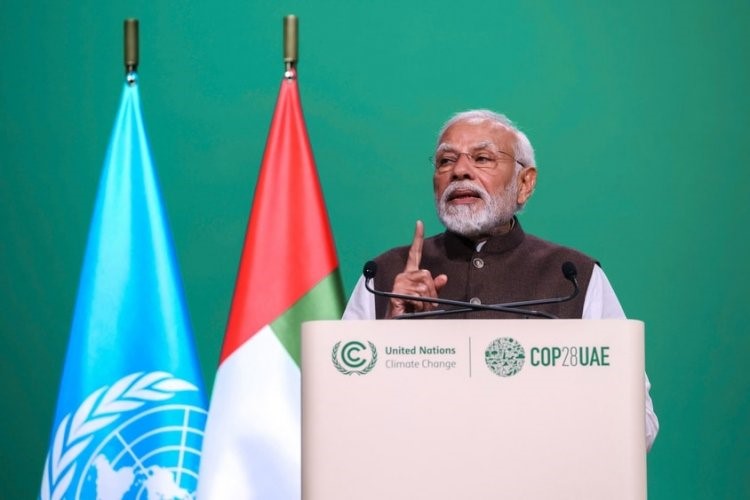
Reasons Behind India’s Withdrawal from COP33 Hosting :
- India initially offered to host COP33 in 2028 during COP28 (Dubai, 2023), signalling global leadership ambitions and commitment to international credibility.
- However, it later chose to withdraw from bidding, citing potential conflicts between global climate expectations and national interests, balancing federal balance and local autonomy.
- Hosting COP requires countries to champion Paris Agreement goals, including higher emission reduction commitments and adherence to uniform standards of climate action.
- India has increasingly argued against rigid temperature targets (1.5°C/2°C), favouring flexible approaches that respect cooperative federalism and national development priorities.
- It emphasises a development-first strategy, prioritising economic growth and poverty reduction over strict climate commitments, avoiding excessive compliance burden.
- Concerns over climate finance gaps, particularly non-fulfilment of Article 9.1 (financial obligations of developed nations), influenced the decision, highlighting issues of democratic accountability in global governance.
- India feared being “boxed into” commitments that could limit its energy and development pathways, representing potential executive overreach by international bodies.
Key Issues: Global Climate Politics vs National Interest
- The Global Stocktake (GST) at COP33 would assess progress towards Paris Agreement goals, requiring enhanced climate ambition and stricter regulatory compliance measures.
- India believes current frameworks are skewed against developing countries, which need more carbon space for growth, raising constitutional concerns about sovereignty.
- Opposes early release of IPCC AR7 (Assessment Report), arguing developing nations need more time to review findings, ensuring adequate parliamentary oversight and public disclosure.
- Stronger climate science reports could lead to pressure for stricter emission cuts, affecting India’s policy flexibility and imposing additional compliance burden on developing economies.
- Highlights divergence between developed vs developing countries on responsibility and burden-sharing, emphasizing the need for cooperative federalism in global climate governance.
- India aligns with countries like China in advocating equity and differentiated responsibilities, protecting local autonomy in climate policy implementation.
- The move reflects a broader recalibration of India’s climate diplomacy strategy, balancing global commitments with domestic priorities while maintaining democratic accountability and avoiding executive overreach.
About UNFCCC, COP & Paris Agreement:● COP (Conference of Parties): Annual meeting under UNFCCC to negotiate global climate actions, establishing regulatory framework for climate governance. ● Paris Agreement (2015): Aims to limit global warming to well below 2°C, preferably 1.5°C, setting uniform standards for climate action. ● Global Stocktake (GST): Conducted every 5 years to assess global progress on climate goals, ensuring quality assurance and performance metrics. ● Article 9.1: Mandates developed countries to provide financial resources to developing nations, promoting cooperative federalism in climate finance. ● IPCC (Intergovernmental Panel on Climate Change): Provides scientific assessments guiding climate policy, ensuring public disclosure of climate data. ● CBDR-RC Principle: “Common But Differentiated Responsibilities and Respective Capabilities” — key for equity, balancing federal balance and local autonomy. ● Importance: Central to global climate governance, negotiations, and sustainable development pathways, requiring democratic accountability and parliamentary oversight. |

