 India's No.1 PU & Degree With Integrated IAS & IPS(UPSC/PSC) Training College.


India-Japan Defence: Naval Radar Cooperation
INDIA–JAPAN DEFENCE COOPERATION: NAVAL RADAR TECHNOLOGY AND INDO-PACIFIC SECURITY
Why in the News?
Japan has urged India to fast-track its internal approval process for the UNICORN naval radar technology-transfer agreement signed during the July India visit of Japanese Prime Minister Sanae Takaichi, while also highlighting plans for closer defence cooperation and an upcoming Quad naval exercise near Japan.
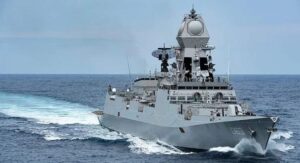
UNICORN AND INDIA–JAPAN DEFENCE TECHNOLOGY COOPERATION
- Radar Technology: UNICORN (Unified Complex Radio Antenna) is an integrated naval antenna system designed to consolidate multiple communication and electromagnetic functions into a streamlined mast configuration.
- Technology Transfer: India and Japan have established a basic agreement for technology transfer, with the remaining process involving India’s internal official clearances.
- Naval Modernisation: Access to advanced radar and antenna technologies can strengthen the Indian Navy’s situational awareness, communications and electromagnetic-domain capabilities.
- Bilateral Framework: Defence-technology cooperation reflects the broader India–Japan Special and Global Strategic Partnership, which has increasingly expanded beyond economic relations.
- Industrial Potential: Technology cooperation can contribute to defence industrial collaboration, indigenous manufacturing and capability development, particularly when transferred technologies are progressively integrated into domestic production.
INDIA–JAPAN AND THE INDO-PACIFIC SECURITY ARCHITECTURE
- Quad Cooperation: India and Japan, alongside Australia and the United States, participate in the Quad, including maritime exercises designed to strengthen interoperability and maritime coordination.
- Maritime Security: Greater naval cooperation supports a free, open and rules-based Indo-Pacific, particularly through enhanced maritime domain awareness and coordinated responses to regional security challenges.
- Strategic Concerns: Japan has highlighted concerns regarding China’s military expansion, China–Russia military cooperation and North Korea–Russia security cooperation, reflecting Tokyo’s evolving regional threat assessment.
- Defence Policy: Japan’s planned revision of major defence, national-security and military-supply documents indicates adjustments to its security policies amid changing regional and global strategic conditions.
- Peaceful Posture: Japan’s stated commitment to not striking first reflects the continuing importance of its post-war security orientation even as its defence capabilities and security partnerships evolve.
INDIA–JAPAN RELATIONS● Strategic Partnership: India and Japan established a Global Partnership in 2000, subsequently upgrading relations to a Special Strategic and Global Partnership in 2014. ● Defence Exercises: Bilateral exercises include Dharma Guardian between the armies and Malabar involving their navies alongside other Quad partners, strengthening interoperability. ● Maritime Cooperation: The two countries cooperate on maritime security, freedom of navigation, connectivity and Indo-Pacific stability, reflecting their shared interests in secure sea lanes. ● Economic Linkages: Japan remains an important partner in India’s infrastructure development, including Dedicated Freight Corridors, Mumbai–Ahmedabad High-Speed Rail and metro projects. ● Indo-Pacific Vision: India’s SAGAR vision and Japan’s concept of a Free and Open Indo-Pacific provide complementary frameworks for maritime cooperation, connectivity and regional stability. |

