 India's No.1 PU & Degree With Integrated IAS & IPS(UPSC/PSC) Training College.


Impact of the Closure of the Strait of Hormuz on India’s Economy and Oil Refineries
Impact of the Closure of the Strait of Hormuz on India’s Economy and Oil Refineries
Introduction
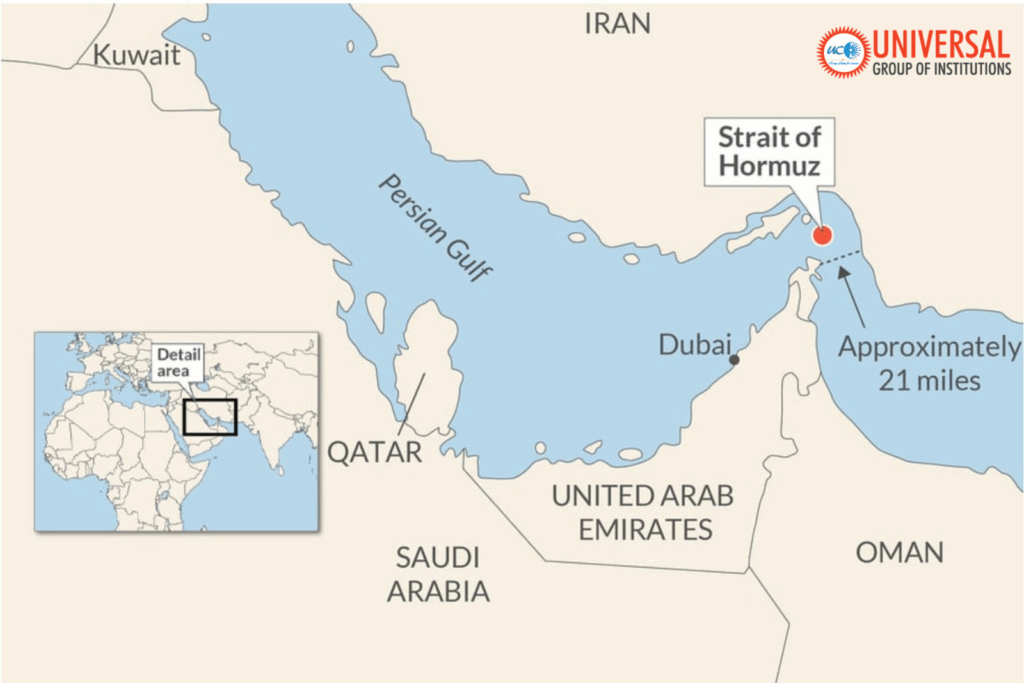
The potential closure of the Strait of Hormuz, a critical oil transit chokepoint, by Iran would have significant consequences for India. India is one of the largest oil importers in the world. As the Strait of Hormuz accounts for around 20-30% of global oil shipments, its disruption would lead to severe economic and operational challenges for India. The strategic importance of the Strait of Hormuz in global trade cannot be overstated. Its potential closure is a matter of grave concern for the Indian economy. The Strait of Hormuz’s role as a vital maritime passage for oil tankers further emphasizes its significance in shaping India’s economic landscape.
Key Impacts on India’s Economy and Oil Refineries
1. Rising Fuel Prices
India imports approximately 80% of its crude oil, a major portion of which passes through the Strait of Hormuz. If the Strait is blocked, global oil prices would rise sharply. This would lead to higher domestic fuel costs. This surge in fuel prices would trigger inflation, impacting transportation, food, and overall living expenses. The closure of the Strait of Hormuz would likely result in a significant geopolitical risk premium being added to oil prices. This would further exacerbate the economic impact on India’s energy sector.
2. Inflationary Pressures
Increased oil prices due to the Strait of Hormuz closure would have a ripple effect on India’s economy. This would drive inflation higher. The cost of goods and services across sectors like logistics, manufacturing, and agriculture would rise. These sectors heavily rely on fuel. The disruption of global energy flows through the Hormuz Strait would amplify these inflationary pressures. Consequently, this would potentially lead to a broader economic slowdown in India.
As a major energy consumer, India would need to engage diplomatically with affected nations to ensure uninterrupted oil supplies. The government might have to join international efforts, potentially involving the UN Security Council, to keep the Strait of Hormuz open. Alternatively, securing alternative routes to minimize the impact on the nation’s energy needs could be necessary. The closure of the Strait would likely intensify Middle East tensions. These tensions would further complicate India’s diplomatic and economic relationships in the region, potentially reshaping its geopolitical strategy.
India’s oil refineries, some of the largest in the world, depend on crude oil imports from the Gulf region, including Iranian oil exports. The disruption of the Strait of Hormuz would force Indian refineries to source oil through more expensive routes. This situation includes major players like Bharat Petroleum Corporation, Hindustan Petroleum Corporation, and Indian Oil Corporation. As a result, it would lead to higher procurement costs. This would reduce refining margins and could lead to bottlenecks in petroleum product supply. The disruption could affect domestic fuel availability and the overall stability of India’s oil industry.
4. Energy Security Concerns
India’s heavy dependence on oil imports passing through the Strait of Hormuz highlights vulnerabilities in its energy security. The closure of this critical oil transit chokepoint would call for urgent measures to diversify energy sources and enhance strategic reserves. Increasing investment in renewable energy like solar and wind would be crucial. Therefore, the situation underscores the need for India to reduce its reliance on the Hormuz region and explore alternative routes for oil imports. This exploration would ensure a stable energy supply and strengthen its energy security position.
5. Geopolitical Implications
As a major energy consumer, India would need to engage diplomatically with affected nations to ensure uninterrupted oil supplies. The government might have to join international efforts, potentially involving the UN Security Council, to keep the Strait of Hormuz open. Alternatively, securing alternative routes to minimize the impact on the nation’s energy needs could be necessary. The closure of the Strait would likely intensify Middle East tensions. This would further complicate India’s diplomatic and economic relationships in the region, potentially reshaping its geopolitical strategy.
6. Long-Term Economic Effects
A prolonged disruption in oil supplies due to the closure of the Strait of Hormuz could cause economic instability in India. The economy could face slower growth rates due to higher operational costs in several sectors. To mitigate these effects, the Indian government may need to implement subsidies or price controls on essential goods to protect consumers. The situation might also accelerate India’s efforts to reduce its dependence on oil imports and invest in alternative energy sources. This could potentially reshape the country’s long-term energy strategy and economic policies.
Conclusion
The closure of the Strait of Hormuz would pose a significant challenge to India’s economy, resulting in higher fuel prices, inflation, and strain on the oil refining industry. This disruption would highlight India’s vulnerability to global energy fluctuations, underscoring the need for energy diversification and proactive diplomatic engagement to secure stable oil supply chains. The potential blockage of this crucial oil transit chokepoint emphasizes the importance of the Strait of Hormuz in global energy flows and the need for international cooperation to ensure its continued accessibility.
As India navigates these challenges, it may need to reassess its energy policies and international relationships to safeguard its economic interests in the face of potential disruptions in the Hormuz region. The Strait of Hormuz’s critical role in India’s energy security and economic stability cannot be understated, making it imperative for policymakers to develop robust contingency plans to address any future threats to this vital maritime passage. The impact on India’s economy and oil refineries underscores the need for a comprehensive strategy to mitigate risks associated with the Strait of Hormuz and ensure the nation’s energy resilience in an increasingly volatile global landscape.




