 India's No.1 PU & Degree With Integrated IAS & IPS(UPSC/PSC) Training College.


Government Considers E100 Fuel To Reduce Oil Imports
Government Considers E100 Fuel To Reduce Oil Imports
Why in the News ?
The Government of India is exploring E100 ethanol fuel blending and flex-fuel vehicles (FFVs) amid rising energy insecurity due to West Asia conflict, aiming to reduce crude oil imports, promote alternative fuels aligned with pollution free environment goals, and enhance long-term energy sustainability through comprehensive environmental impact assessment frameworks.
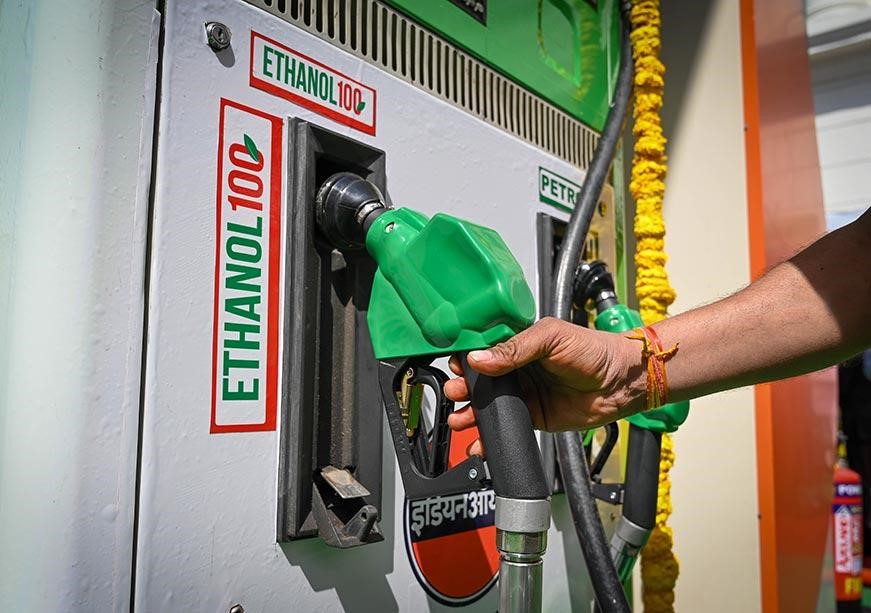
E100 Fuel Proposal and Key Developments :
- E100 Concept: Fuel containing ~100% ethanol, offering an alternative to petrol while adhering to precautionary principle in environmental planning.
- Policy Push: Government considering transition to flex-fuel vehicles (FFVs) that can run on petrol-ethanol blends, subject to proper environmental clearances for manufacturing facilities.
- Energy Security Goal: Reduce dependence on imported crude oil, especially amid West Asia geopolitical tensions, while ensuring compliance with environmental jurisprudence.
- Aviation Sector: Approval granted for blending Sustainable Aviation Fuel (SAF) derived from ethanol and used cooking oil, following mandatory EIA notification procedures.
- Gas Infrastructure: Expansion of LNG capacity by Petronet LNG Limited to boost natural gas availability, ensuring environmental clearance compliance for coastal facilities under coastal regulation zone regulations.
Challenges and Industrial Measures
- Technical Constraints: Ethanol requires engine modification, as it is corrosive and has lower energy density than petrol, necessitating thorough environmental impact assessment of production facilities.
- Vehicle Adaptation: FFVs need special fuel systems, sensors, and larger fuel tanks, with manufacturing units requiring proper environmental clearances to prevent ex post facto compliance issues.
- Supply-Side Issues: Energy crisis due to disrupted supply chains and Strait of Hormuz tensions, compounded by regulatory concerns over retrospective environmental clearances for existing facilities.
- Government Measures:
○ Reduction in custom duties on key inputs while ensuring polluter pays principle compliance.
○ Increased allocation of LPG and PNG for industries, avoiding post facto approval concerns.
○ Fast-track approvals for CNG/CBG stations by Petroleum and Explosives Safety Organisation, ensuring no ex-post clearance violations as highlighted in the Vanashakti judgment.
- Export Controls: Ban on ammonium nitrate exports to ensure supply for coal production, with mining operations requiring compliance with forest conservation act provisions.
| About Ethanol Blending & Energy Security :
● Ethanol Blending Programme (EBP): India aims for 20% ethanol blending (E20) in petrol to reduce oil imports while promoting environmental democracy through stakeholder consultations. ● Flex-Fuel Vehicles (FFVs): Vehicles capable of running on any ethanol-petrol mix (E0–E100), manufactured under strict environmental clearances framework. ● Global Example: Brazil has a successful ethanol-based fuel ecosystem using sugarcane ethanol with robust environmental jurisprudence. ● Advantages: ○ Reduces import bill and carbon emissions toward pollution free environment ○ Supports farm income (ethanol from crops) ● Challenges: ○ Food vs fuel debate ○ Infrastructure and engine compatibility issues |

