 India's No.1 PU & Degree With Integrated IAS & IPS(UPSC/PSC) Training College.


Disaster Risk Reduction Day: Build Global Resilience
International Day for Disaster Risk Reduction: A Call for Resilience Over Disasters
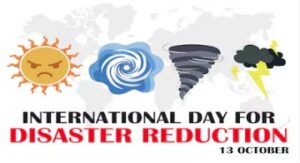
October 13, 2025: Today marks the observance of the International Day for Disaster Risk Reduction (IDDRR). This globally recognized day emphasizes the need for communities to come together to reduce disaster risks and build resilient infrastructures. The theme for 2025 is “Fund Resilience, Not Disasters,” focusing on the importance of increasing funding for disaster risk reduction (DRR) initiatives and ensuring that investments are informed by risk assessments.
The Importance of Disaster Risk Reduction
The International Day for Disaster Risk Reduction was established by the United Nations General Assembly in 1989 to raise awareness about disaster risks and promote proactive risk-reduction strategies. This day highlights that investing in disaster preparedness can save lives, reduce economic losses, and contribute to sustainable development.
2025 Theme: “Fund Resilience, Not Disasters”
This year’s theme stresses the need to prioritize funding for disaster risk reduction over disaster response. Despite disasters costing billions annually, less than 1% of national budgets are allocated to DRR, creating a funding gap that leaves communities vulnerable.
Key Actions:
- Increased Funding: Governments must allocate more resources to DRR.
- Risk-Informed Investments: Investments in development and the private sector must be risk-informed and resilient to disasters.
Why DRR Matters
Investing in disaster risk reduction strengthens economies and builds resilient infrastructure. These measures help communities prepare for and mitigate the effects of disasters, aligning with the Sendai Framework for reducing disaster risks globally.
Global Action Needed
Disaster resilience requires a global effort. Countries must integrate DRR strategies into their development plans. The Sustainable Development Goals (SDGs), especially SDG 11 (Sustainable Cities and Communities) and SDG 13 (Climate Action), emphasize the importance of DRR in achieving sustainable growth.
India’s Commitment
India, frequently affected by natural disasters, has been implementing the National Disaster Management Plan (NDMP) and community-based programs. However, experts stress the need for greater investment in disaster preparedness, infrastructure, and community-driven solutions.
The Role of Individuals
While governments play a major role, individuals can also contribute to disaster resilience. By staying informed about local risks and supporting community-based programs, every citizen can make their community safer.
What Can You Do?
- Stay Informed: Know the risks in your area and follow disaster preparedness programs.
- Be Proactive: Participate in community-based risk reduction initiatives.
- Advocate for Funding: Push for increased investment in DRR.
- Reduce Your Own Risk: Implement disaster-resilient practices in your home.
Conclusion
The International Day for Disaster Risk Reduction is a call to action. By prioritizing resilience and proactive measures, we can reduce the impact of disasters on lives and economies, making the world safer and more resilient.




