 India's No.1 PU & Degree With Integrated IAS & IPS(UPSC/PSC) Training College.


Blame Not the Messenger in Diplomacy Explained
BLAME NOT MESSENGER IN DIPLOMACY
Syllabus:
GS-2 : International Relations
India and its neighbourhood
Why in the News ?
India’s Operation Sindoor and the diplomatic response to the Pahalgam terror attack have sparked debates over the effectiveness of Indian diplomacy, drawing comparisons with past crises. The global perception of India’s stance and diplomatic strategy is under scrutiny, especially amid rising regional and global tensions. This situation mirrors the challenges faced in formalizing the informal economy, where policy interventions must navigate complex socio-economic landscapes, including issues related to formal workers and informal sector workers, as well as unincorporated enterprises.
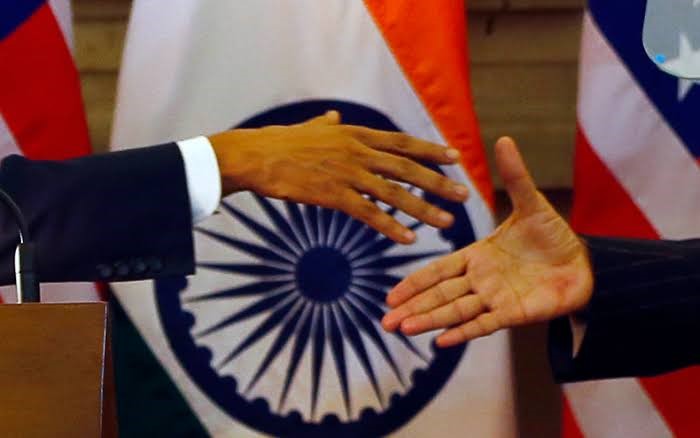
RECENT CRITICISMS OF INDIAN DIPLOMACY
- Diminished Support: India’s recent diplomatic outreach failed to garner unequivocal backing like in 2016 (post-Uri) or 2019 (post-Pulwama), especially from South Asian neighbours. This reflects the challenges of informal employment in regional diplomacy, where relationships often lack formal structures, similar to the employment relationship issues in the informal sector. The situation also highlights the need for more effective use of administrative data sources in diplomatic decision-making, including the implementation of a robust statistical business register to track formal and informal economic activities.
- Pakistan’s Gains: Pakistan secured key diplomatic wins including editing UNSC resolutions, heading important UN committees, and clinching loans despite India’s opposition. This situation parallels the informal sector’s ability to adapt and thrive despite regulatory challenges, highlighting the need for effective business registration processes and improved statistical business registers to monitor economic activities across both formal and informal sectors.
- Trump’s Narrative: US President Trump’s repeated hyphenation of India-Pakistan and omission of terror issues complicated India’s diplomatic narrative post-Operation Sindoor. This demonstrates how external factors can impact diplomatic efforts, similar to how global economic trends affect the informal economy and labour force participation, particularly youth employment. The use of the labour input method could provide more accurate measurements of these employment dynamics.
- Prolonged Campaign: India’s unusually intensive diplomatic push post-Sindoor contrasts with previous responses, reflecting concerns over message resonance. This extended effort mirrors the ongoing challenges in formalizing the informal economy, including the need for comprehensive skill development programs and accurate employment unemployment surveys, which could benefit from advanced labour input methods for more precise data collection.
- Misplaced Blame: Indian diplomats convey the government’s message but cannot dictate its content or international reception, making criticisms misdirected. This situation is analogous to the challenges faced by informal workers who often lack control over their working conditions, highlighting the importance of fair employment relationships and the need for better compilation categories in diplomatic communications and economic analysis.
SHIFT IN GLOBAL GEOPOLITICS
- Threshold of Conflict: PM Modi’s statement “any act of terror is an act of war” risks escalating conflicts and raises concerns globally. This shift in diplomatic tone reflects the need for careful policy design in addressing both security concerns and the informal economy, including strategies for poverty alleviation and understanding the non-observed economy.
- Nuclear Overtones: Assertive rejection of nuclear blackmail heightens perceived nuclear risks in an already tense South Asian environment. This escalation in rhetoric parallels the challenges of integrating the informal sector into the formal economy without disrupting livelihoods, requiring a balanced regulatory framework and accurate national accounts statistics.
- State vs Non-State Actors: The resolve to not distinguish between state and non-state actors sends a more aggressive international signal. This approach mirrors the complexities of addressing both formal and informal workers in policy interventions, including contributing family workers and measuring effective labour input through advanced labour input methods.
- Kashmir Statements: Indian leaders’ rhetoric on taking back PoK raises alarms amid current global sensitivities about territorial conflicts. This situation highlights the need for nuanced approaches, similar to addressing gender disparities in the informal economy and promoting income generation opportunities, while considering benchmark estimates for economic growth.
- Past Policy Stances: India’s neutrality on Ukraine and silence on Gaza has affected its credibility in the West and Global South. This diplomatic challenge reflects the need for consistent policy frameworks, akin to developing regulatory frameworks for the informal sector, including informal wage employment and utilizing residual methodology in economic analysis.
IMPACT OF DOMESTIC DEVELOPMENTS
- Democratic Backsliding: International concerns over laws like CAA, Article 370 changes, internet bans, and arrests challenge India’s democratic image. These issues parallel the challenges of formalizing the informal economy while respecting workers’ rights and promoting labour force participation, particularly in youth employment.
- Alleged Transnational Operations: Allegations of Indian involvement in transnational killings in the US and Canada have drawn global scrutiny. This situation highlights the need for transparency in international relations, similar to the need for clear employment relationships in the informal sector and improved statistical business registers for tracking economic activities. The use of satellite data in monitoring cross-border activities has become increasingly relevant in such contexts.
- Minority Rights: Global observers increasingly question minority treatment in India, influencing perceptions of its democratic credentials. This mirrors concerns about social security coverage for vulnerable groups in the informal economy, including contributing family workers and those in unincorporated enterprises.
- Diplomatic Burden: Indian envoys during Operation Sindoor diplomacy had to field difficult questions on domestic issues. This challenge is similar to addressing the complexities of the informal sector in international labour standards discussions, requiring robust sampling design for accurate data collection and effective use of administrative data sources.
- Undermining Strengths: Issues at home undermine India’s diplomatic edge as a secular, pluralistic, and rule-based democracy. This situation parallels how informality can undermine a nation’s economic strengths, emphasizing the need for effective skill development programs and digital payment systems, as well as accurate national accounts statistics supported by comprehensive statistical business registers.
THE CHANGING DIPLOMATIC LANDSCAPE
- Global Double Standards: India’s diplomats face a complex world where double standards on terrorism and retaliation abound. This complexity mirrors the challenges of addressing the informal economy in a globalized world, requiring innovative approaches to poverty alleviation and understanding the non-observed economy.
- Territorial Aggression Sensitivities: In today’s climate, aggressive rhetoric on territories draws more global discomfort than support. This shift in diplomatic norms parallels the evolving understanding of the informal sector’s role in national economies and the need for inclusive income generation strategies, supported by accurate employment unemployment surveys and advanced labour input methods.
- Unequal Responses: While global actors are quick to condemn others, similar Indian actions face greater scrutiny. This imbalance reflects the challenges of achieving international comparability in addressing informal employment issues, highlighting the importance of standardized labour input methods and compilation categories for economic data.
- Framing Challenges: New Delhi must carefully frame its messaging to align with shifting global narratives. This need for strategic communication mirrors the challenges of developing effective formalization strategies for the informal economy, including improved statistical business registers and utilizing social media influencers for public diplomacy.
- Diplomatic Adaptation: Indian diplomacy must evolve in response to changing geopolitical and domestic landscapes. This adaptability is similar to the need for flexible approaches in addressing the diverse needs of informal sector enterprises and promoting formal workers’ rights, while considering benchmark estimates for economic planning.
DEMOCRACY IN DECLINE
- Global perception: Concerns over CAA, Article 370 and civil liberties tarnish India’s image. These issues parallel concerns about labour rights in the informal economy, affecting labour force participation rates and youth employment.
- Transnational controversies: Alleged extraterritorial actions invite international scrutiny. This situation mirrors the challenges of addressing cross-border informal economic activities and the need for robust regulatory frameworks, supported by satellite data and administrative data sources.
- Minority status: Questions over minority rights challenge India’s pluralistic credentials. This reflects the need to address disparities within the informal sector, including issues faced by domestic workers and street vendors, often categorized as informal wage employment in unincorporated enterprises.
- Democracy metrics: Global indices reflect perceived erosion of democratic norms. This parallels the challenges of accurately measuring and addressing the informal economy’s impact on overall economic health, requiring sophisticated sampling design techniques and residual methodology in economic analysis.
- Diplomatic burden: Envoys must address uncomfortable queries unrelated to terrorism. This situation is similar to the multifaceted challenges faced in formalizing the informal sector, including the need for comprehensive skill development programs and accurate statistical business registers.
THE NEW NORMAL IN INDIA’S POLICY
- Escalatory doctrine: Declaring terrorism as war lowers engagement thresholds. This shift in approach parallels the need for innovative policy interventions in the informal economy, including strategies for poverty alleviation and understanding the non-observed economy.
- Nuclear narrative: Explicit anti-nuclear blackmail stance raises regional tension perceptions. This situation reflects the delicate balance required in addressing both security and economic concerns, including the promotion of formal workers’ rights and accurate measurement of effective labour input using advanced labour input methods.
- No actor distinction: Equating state and non-state actors amplifies escalation risks. This approach mirrors the challenges of addressing diverse stakeholders in the informal sector, from own account workers to informal employers, requiring nuanced employment relationship frameworks and comprehensive compilation categories.
- Evidence gap: Delays in proving Pakistan’s direct involvement hamper messaging. This challenge is similar to the difficulties in gathering accurate data on the informal economy through enterprise surveys and labour market information systems, emphasizing the need for robust labour input methods and satellite data analysis.
- Perceived aggression: Hardline stances may alienate potential allies. This diplomatic risk parallels the potential negative impacts of overly aggressive formalization strategies on informal sector livelihoods, highlighting the importance of balanced regulatory frameworks and accurate national accounts statistics.
CHALLENGES AHEAD FOR INDIA
- Managing Perception: Balancing assertiveness with sensitivity to avoid alienating key partners in Europe and the Global South. This diplomatic challenge mirrors the need for balanced approaches in formalizing the informal economy, including strategies to boost labour force participation and youth employment.
- Restoring Credibility: Addressing concerns on democracy and minority rights to strengthen global democratic credentials. This effort parallels the need to address decent work deficits in the informal sector, including issues faced by contributing family workers and those in unincorporated enterprises.
- Consistent Messaging: Aligning government rhetoric with diplomatic strategy to avoid mixed signals. This need for coherence is similar to the importance of consistent policy design in addressing informal employment and promoting business registration, supported by accurate statistical business registers.
- Regional Diplomacy: Rebuilding regional solidarity and managing neighbourhood dynamics effectively post-Operation Sindoor. This diplomatic effort mirrors the need for regional cooperation in addressing informal cross-border economic activities and promoting income generation, utilizing satellite data for monitoring.
- Countering Pakistan: Navigating Pakistan’s recent diplomatic gains and reclaiming narrative control in international forums. This challenge parallels the need to address competition from the informal sector while promoting formalization through effective skill development programs and accurate employment unemployment surveys using advanced labour input methods.
WAY FORWARD FOR INDIAN DIPLOMACY
- Internal Review: Government must introspect and recalibrate its foreign policy messages post-Sindoor. This process is similar to the need for ongoing assessment of policies targeting the informal economy, including the effectiveness of digital payment systems and labour input methods.
- Democratic Image: Strengthening democratic institutions and freedoms to project India’s true comparative advantage. This effort parallels the importance of strengthening formal institutions to support the transition from informal to formal employment, boosting overall labour force participation and improving national accounts statistics.
- Strategic Patience: Avoiding overreaction to provocations while maintaining international support. This approach mirrors the need for measured, long-term strategies in addressing the informal economy, including gradual implementation of regulatory frameworks and understanding the non-observed economy.
- Global Engagement: Deepening multilateral ties beyond transactional relationships to build a broad coalition of support. This diplomatic strategy parallels the need for international cooperation in addressing global informal economy challenges, including standardized labour input methods and compilation categories for economic data.
- Empowering Diplomats: Equipping the Ministry of External Affairs with a coherent, adaptable strategy to navigate emerging complexities. This effort is similar to the need for capacity building in institutions dealing with the informal economy, including improved sampling design for data collection and effective use of administrative data sources.
CONCLUSION
India’s diplomats must not be blamed for geopolitical headwinds and domestic factors beyond their control. A more nuanced strategy and realistic messaging aligned with today’s global dynamics are crucial. Empowering Indian diplomacy with clear, consistent, and democratic narratives will help safeguard India’s strategic interests in an increasingly complex world. This approach parallels the need for comprehensive, well-designed policies to address the challenges of the informal economy, promote decent work for both formal workers and informal sector workers, and foster inclusive economic growth through effective poverty alleviation and income generation strategies. Utilizing tools such as social media influencers for public diplomacy and benchmark estimates for economic planning, along with advanced statistical business registers and labour input methods, can further enhance India’s position on the global stage and its ability to address both diplomatic and economic challenges effectively.
Source: TH
UPSC MAINS PRACTICE QUESTION
“Critically examine the challenges Indian diplomacy faces in the current geopolitical landscape. What strategies should be adopted to enhance its effectiveness?” (250 words)

