 India's No.1 PU & Degree With Integrated IAS & IPS(UPSC/PSC) Training College.


Bangladesh Prosecutor Seeks Death Penalty for Hasina
Bangladesh Prosecutor Seeks Death Penalty for Hasina
Why in the News ?
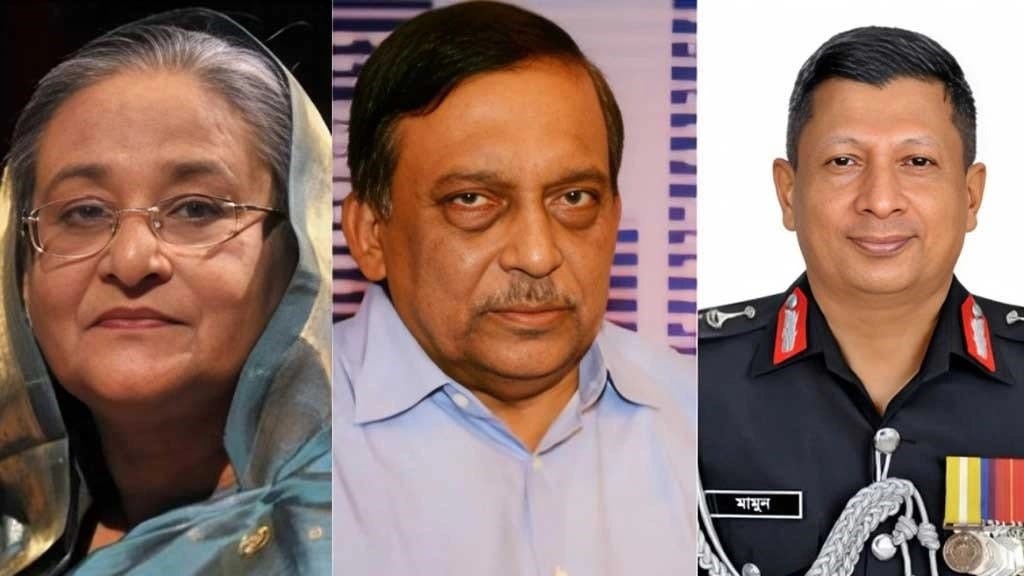
Bangladesh’s Chief Prosecutor Tajul Islam has sought the death penalty for former Prime Minister Sheikh Hasina and former Home Minister Asaduzzaman Khan Kamal over alleged crimes against humanity committed during the July Movement. The plea was made before the International Crimes Tribunal (ICT-1) in Dhaka.
Background of the Case:
- High-profile trial: The International Crimes Tribunal (ICT-1) of Bangladesh is hearing a case against former PM Sheikh Hasina, ex-Home Minister Asaduzzaman Khan Kamal, and other senior officials.
- Allegations: They are accused of crimes against humanity during the July Movement, a political uprising that allegedly saw human rights violations and state-led crackdowns.
- Chief Prosecutor’s plea: Tajul Islam, representing the prosecution, demanded the death sentence for the two main accused, citing the gravity of alleged offences.
- Tribunal composition: The plea was presented before a three-member bench led by Justice Md Golam Mortuza Majumder.
- Proceedings: The arguments by the prosecution lasted for five consecutive days, focusing on law points and evidence.
Developments and Legal Proceedings:
- Testimony evidence: Former Inspector General of Police (IGP) Chowdhury Abdullah Al-Mamun testified as a state witness, offering crucial insights into administrative actions during the unrest.
- Sentencing request: The prosecutor asked the tribunal to decide on an appropriate sentence for the ex-IGP, indicating potential leniency for cooperation.
- Next phase: The tribunal is expected to schedule defence arguments soon before delivering a final judgment.
- Legal significance: The case represents one of the most politically sensitive trials in Bangladesh’s history.
- Public scrutiny: The proceedings have drawn international attention due to the involvement of top political figures.
About Bangladesh’s International Crimes Tribunal :● Establishment: The ICT was formed in 2010 under the International Crimes (Tribunals) Act, 1973, to prosecute war crimes committed during the 1971 Liberation War. ● Jurisdiction: It handles cases related to genocide, crimes against humanity, and war crimes under Bangladeshi law. ● Composition: Consists of a three-judge panel headed by a High Court judge. ● Criticism: The tribunal has faced allegations of political bias and lack of transparency, though it is hailed domestically for ensuring accountability. ● Relevance: The ICT remains central to Bangladesh’s transitional justice and ongoing political conflicts, influencing its domestic and international relations. |

