India's No.1 PU & Degree With Integrated IAS & IPS(UPSC/PSC) Training College.


Balancing Faith and Ecology in India’s River Systems
Balancing Faith and Ecology in India’s River Systems
Why in the News ?
A recent incident of 11,000 litres of milk being poured into the Narmada River has reignited debate on religious practices and environmental sustainability, highlighting concerns over river pollution, ecological damage, and regulatory gaps in managing ritual offerings.
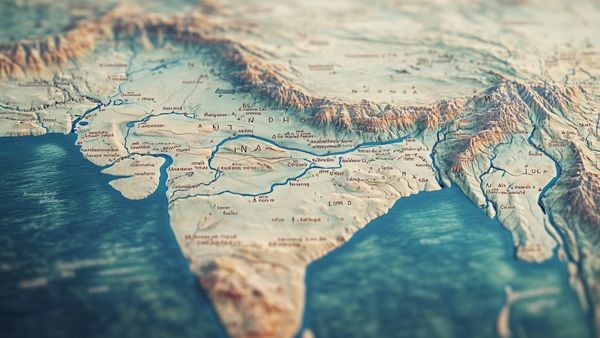
Ritual Practices and Environmental Impact on Rivers:
- A religious ceremony in Madhya Pradesh led to mass milk offering in the Narmada River, sparking ecological concerns that require proper environmental impact assessment.
- Experts note that such offerings increase Biochemical Oxygen Demand (BOD), reducing dissolved oxygen levels.
- This leads to aquatic stress, harming fish and other organisms.
- Organic offerings accelerate microbial activity, worsening pollution loads.
- Nutrient enrichment can trigger algal blooms, degrading water quality.
- Studies show festivals like Kumbh Mela, Chhath Puja, Durga Puja, and Ganesh Utsav significantly increase solid waste and pollution levels.
Scale of Problem and Socio-Economic Dimensions
- Rapid population growth has amplified the scale of ritual practices, intensifying environmental impact.
- Even minimal daily offerings can accumulate into large pollution loads (e.g., thousands of litres of milk and tonnes of flowers).
- Data shows rivers like the Yamuna have extremely high BOD levels (up to 83 mg/l), far exceeding safe limits.
- The Central Pollution Control Board (CPCB) identified 296 polluted river stretches across India.
- Critics highlight the opportunity cost, where resources like milk could address malnutrition.
- Per capita limits on offerings alone are insufficient; systemic waste management is needed.
About Environmental Laws and Religious Freedom :● Article 21 guarantees the right to a clean and healthy environment and ensures a pollution free environment for all citizens. ● Article 25 ensures freedom of religion, but it is not absolute and can be restricted for public health and order. ● The Water (Prevention and Control of Pollution) Act, 1974 regulates water pollution, while the Forest Conservation Act protects riparian ecosystems. ● The EIA Notification mandates environmental clearances for projects affecting water bodies, though ex post facto or retrospective environmental clearances remain contentious. ● The Coastal Regulation Zone norms protect water bodies from pollution and encroachment. ● The National Green Tribunal (NGT) enforces environmental norms, including guidelines on idol immersion, as established in the landmark Vanashakti judgment. ● Principles like the polluter pays principle and precautionary principle guide environmental jurisprudence and promote environmental democracy. ● Lack of specific laws regulating everyday ritual offerings creates enforcement challenges, with many activities proceeding without proper environmental clearance. |