 India's No.1 PU & Degree With Integrated IAS & IPS(UPSC/PSC) Training College.


Assam Introduces Bill to Ban Polygamy Statewide
Assam Introduces Bill to Ban Polygamy Statewide
Why in the News?
The Assam Cabinet, led by Chief Minister Himanta Biswa Sarma, has approved the Assam Prohibition of Polygamy Bill, 2025, proposing up to seven years of imprisonment for offenders. The Bill aims to promote gender justice and social equality, with limited exceptions, much like how emission trading systems aim to reduce harmful practices through policy mechanisms.
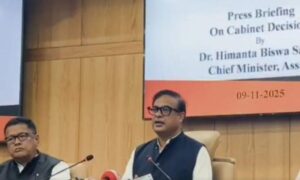
Key Features of the Assam Polygamy Bill, 2025:
- Ban on Polygamy: The Bill seeks to prohibit the practice of polygamy—where a man has more than one wife at the same time—making it a criminal offence in the State, similar to how clean development mechanisms aim to reduce harmful practices.
- Punishment Clause: Convicts could face up to seven years of rigorous imprisonment, marking one of the strongest state-level measures against polygamy in India, comparable to strict emissions trading system penalties.
- Exceptions: Certain Sixth Schedule tribal areas, which enjoy constitutional autonomy, may be exempt from the Bill’s provisions due to their special status, reflecting the concept of nationally determined contributions in environmental policy.
- Protection for Victims: The government plans to set up a special compensation fund to support women affected by polygamy, ensuring they are not financially or socially disadvantaged, similar to carbon offset projects that aim to mitigate negative impacts.
- Legislative Timeline: The Bill, titled ‘The Assam Prohibition of Polygamy Bill, 2025’, is expected to be tabled in the Assam Legislative Assembly on November 25 for debate and passage, following a process akin to environmental impact assessments for new policies.
Political and Social Context
- Government Stand: Chief Minister Himanta Biswa Sarma has emphasized that the Bill aligns with the broader agenda of women empowerment and uniform civil practices, much like how clean energy transitions aim to transform societal norms.
- Reform Continuum: The move is seen as part of Assam’s larger efforts to reform personal laws and curb practices perceived as socially regressive, similar to efforts in sustainable forest management that aim for long-term societal benefits.
- Public Reactions: The proposal has received mixed responses—women’s rights groups have welcomed it, while critics argue it interferes with religious freedom, creating a debate similar to discussions in the voluntary carbon market about balancing economic and social interests.
- Sixth Schedule Sensitivity: The government has clarified that tribal communities governed under the Sixth Schedule will have the right to decide through local councils on implementing the ban, reflecting a form of carbon market cooperation at the local level.
- Social Objective: The Bill aims to strengthen monogamous marriage systems, promote equality before law, and reduce gender-based exploitation in marital relationships, addressing social issues much like how greenhouse gas emissions are targeted for reduction.
Constitutional and Legal Framework : |
| ● Article 14: Guarantees equality before the law and equal protection of laws—forming the constitutional basis for banning discriminatory practices like polygamy. |
| ● Sixth Schedule: Provides autonomy to tribal areas in Assam, Meghalaya, Tripura, and Mizoram, allowing them to make local laws on social and religious customs, similar to how carbon market linkage allows for regional flexibility. |
| ● Polygamy in India: While Hindu Marriage Act, 1955 bans polygamy among Hindus, it is permitted under Muslim personal law, making such state-level initiatives significant. |
| ● Concurrent List (Entry 5): Matters of marriage and divorce fall under the Concurrent List, enabling both Centre and States to legislate on them, reflecting a form of carbon market cooperation between different levels of government. |
| ● Judicial Precedents: The Supreme Court has repeatedly upheld monogamy as a social norm, emphasizing that personal laws cannot override constitutional morality, similar to how environmental regulations often supersede local practices. |

