 India's No.1 PU & Degree With Integrated IAS & IPS(UPSC/PSC) Training College.


Tanzania Faces Criticism Over Election Killings
Tanzania Faces Global Criticism Over Post-Election Killings
Why in News ?
Following Tanzania’s October 29 general election, rights groups have condemned widespread reprisal killings, arbitrary detentions, and media restrictions. The Opposition boycott and Internet blackout deepened concerns over democratic backsliding and human rights violations under President Samia Suluhu Hassan’s controversial re-election with 98% votes.
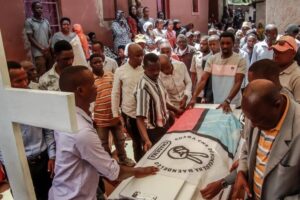
Post-Election Violence and Civilian Deaths:
- Several Tanzanian rights groups, including the Legal and Human Rights Centre (LHRC), reported mass killings of civilians after the October 29 polls.
- The groups accused authorities of excessive use of force and reprisal killings, some occurring inside people’s homes.
- Protests erupted nationwide amid allegations of a rigged election, where the Opposition was barred from contesting.
- Reports indicate hundreds to thousands killed during the unrest, though figures remain unverified due to a six-day Internet shutdown.
- Families were traumatised, and children witnessed violence, worsening the humanitarian impact.
Opposition and Rights Groups’ Response
- The LHRC, along with six other NGOs, highlighted the targeting of youth and mass arrests without bail.
- Opposition leader Amos Ntobi from the Chadema Party reported mass shootings and missing local leaders.
- Ntobi claimed to have attended multiple funerals, including those of two children aged 9 and 11, both shot during the chaos.
- The groups denounced Internet censorship and media control, saying it hindered access to truth and accountability.
- Human rights organisations warned the extent of abuse is yet to be fully uncovered due to restricted reporting.
Understanding Political and Human Rights Context in Tanzania:● Tanzania, located in East Africa, is officially a multiparty democracy, though elections are often criticised for authoritarian tendencies. ● Samia Suluhu Hassan, Tanzania’s first female president, succeeded John Magufuli in 2021. ● The African Union (AU) and international observers termed the 2025 polls “compromised”, reflecting a pattern of electoral suppression. ● Human Rights Watch and Amnesty International have repeatedly warned of crackdowns on dissent, media curbs, and detentions of activists. ● Tanzania’s situation reflects broader regional challenges in safeguarding electoral integrity and civil rights in sub-Saharan Africa. |

