 India's No.1 PU & Degree With Integrated IAS & IPS(UPSC/PSC) Training College.


Aravallis Shield Gangetic Plains from Desert Dust
Aravallis Shield Gangetic Plains from Desert Dust
Why in News ?
Recent dust storms across Rajasthan have highlighted the crucial role of the Aravalli Range in preventing dust from the Thar Desert from reaching the densely populated Indo-Gangetic Plains. Experts warn that degradation of the range is weakening this natural protective barrier, raising concerns about environmental jurisprudence and the need for stronger enforcement of environmental regulations.
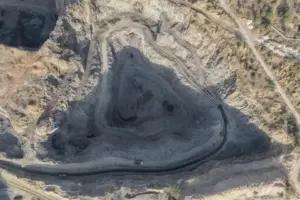
Aravalli Range: Natural Barrier Against Dust Storms
- The Aravalli Range acts as a natural shield by intercepting dust-laden winds originating from the Thar Desert and parts of the Middle East, playing a vital role in maintaining a pollution free environment for millions of people.
- As strong westerly winds encounter the hills, they lose speed and deposit sand on the slopes, forming obstacle dunes.
- Vegetation on these dunes further reduces dust movement by creating a natural filtering effect, demonstrating the importance of the precautionary principle in environmental conservation.
- Environmental experts note that these dunes provide visible evidence of the Aravallis’ role in protecting northern India from excessive dust transport.
- The range helps safeguard the Indo-Gangetic Plains, one of the most densely populated and agriculturally important regions in the world.
Growing Threats and Environmental Consequences
- Dust storms are common in northwestern India during the pre-monsoon season (April–June) due to intense heat and dry weather conditions.
- Experts report that even moderate wind speeds of 35–40 kmph now carry dust from Rajasthan to Delhi and surrounding areas, unlike in the past when only severe storms caused such transport.
- The Forest Survey of India (2018) found that 31 out of 128 Aravalli hills in Rajasthan had disappeared due to human activities, many involving violations of environmental clearance norms and the Forest Conservation Act.
- Key causes of degradation include mining operations conducted without proper environmental clearances, deforestation, urbanisation, construction activities lacking environmental impact assessment, encroachments, and land-use changes.
- Several mining projects have been granted ex post facto environmental clearances, undermining the EIA notification framework and weakening environmental democracy. The practice of granting retrospective environmental clearances has been criticized for violating the polluter pays principle.
- Expansion of ecological gaps in the Aravallis is contributing to increased dust storms, worsening air pollution, and potentially affecting regional rainfall patterns, highlighting the urgent need for stricter enforcement of environmental jurisprudence.
About Aravalli Range and Dust Storms :● The Aravalli Range is one of the oldest mountain systems in the world. ● It extends about 700 km from Delhi through Haryana, Rajasthan, and Gujarat. ● The highest peak is Guru Shikhar (1,722 m) in Mount Abu, Rajasthan. ● The range acts as an important ecological barrier against desertification and regulates local climate conditions, requiring protection under the Forest Conservation Act. ● The Thar Desert is the world’s most densely populated desert and a major source of dust storms in India. ● Important protected areas in the Aravallis include Sariska Tiger Reserve, Kumbhalgarh Wildlife Sanctuary, and Mount Abu Wildlife Sanctuary. |

