 India's No.1 PU & Degree With Integrated IAS & IPS(UPSC/PSC) Training College.


Siang Dam: Development, Security & Indigenous Rights
SIANG DAM: DEVELOPMENT, SECURITY AND INDIGENOUS RIGHTS
WHY IN THE NEWS ?
- Rising Opposition: The proposed 11,200-MW Siang Upper Multipurpose Project (SUMP) in Arunachal Pradesh is facing protests from indigenous Adi communities concerned about displacement, livelihood losses and cultural heritage.
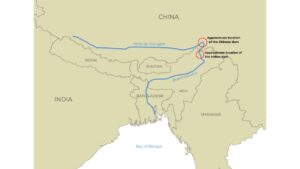
- Strategic Context: The Centre considers the project important to counter China’s proposed 60,000-MW hydropower project on the Yarlung Tsangpo River in Tibet.
SIANG UPPER MULTIPURPOSE PROJECT: FEATURES AND SIGNIFICANCE:
- Project Overview: The SUMP is a proposed 11,200-MW hydropower project on the Siang River in Arunachal Pradesh and is expected to become India’s largest hydropower project.
- Historical Background: The proposal dates back to 1982, when the Brahmaputra Board explored hydropower development on the Siang and Subansiri rivers.
- Strategic Importance: India’s interest increased after China began advancing its upstream hydropower plans on the Yarlung Tsangpo, which flows into India as the Siang.
- Water Security: The project is considered important for monitoring upstream water flows and developing safeguards against potential unilateral water releases by China.
- Project Evolution: In 2017, the proposed Siang Upper Stage-I and Stage-II projects were merged into the larger SUMP proposal.
- Current Status: The project is currently at the Pre-Feasibility Report (PFR) survey stage and has not yet entered the construction phase.
LOCAL OPPOSITION AND KEY CHALLENGES
- Community Resistance: Members of the indigenous Adi community, farmers and local residents are opposing the project through protests and shutdowns.
- Displacement Concerns: Residents fear losing ancestral land, homes and traditional livelihoods, potentially becoming refugees within their own region.
- Cultural Heritage: The Siang River holds deep religious, social and cultural significance for indigenous communities, who regard it as a mother.
- Environmental Concerns: Large-scale dam construction may affect river ecosystems, biodiversity, forests and the region’s fragile Himalayan environment.
- Trust Deficit: Residents fear that completing the feasibility survey could create pressure for construction, despite government assurances that the project will not proceed without considering local consent.
- Expert Concerns: Experts argue that India must obtain detailed information about China’s upstream project rather than assuming that SUMP alone can counter its potential impacts.
- Government Assurance: The Arunachal Pradesh government has promised consultations, environmental and social impact assessments, compensation and rehabilitation if the project advances.
ABOUT BRAHMAPUTRA RIVER SYSTEM:● Origin: The Brahmaputra originates near Lake Mansarovar in Tibet, close to the Angsi Glacier region. ● Regional Names: It is known as the Yarlung Tsangpo in Tibet, Siang or Dihang in Arunachal Pradesh and Brahmaputra in Assam. ● Tributaries: Major tributaries include the Subansiri, Dibang, Lohit, Kameng and Manas. ● Drainage System: The Brahmaputra flows through Tibet, India and Bangladesh before joining the Ganga system and draining into the Bay of Bengal. ● Strategic Importance: The river is vital for India’s water security, agriculture, hydropower generation, inland navigation and ecological sustainability. |

