 India's No.1 PU & Degree With Integrated IAS & IPS(UPSC/PSC) Training College.


Transgender Rights and Women’s Legal Safeguards
TRANSGENDER RIGHTS AND WOMEN’S LEGAL SAFEGUARDS
WHY IN THE NEWS ?
- Court Proceedings: On October 29, 2026, the Union government told the Supreme Court that implementing transgender rights protections could create practical challenges concerning access to certain women-specific legal safeguards and benefits.
- Legal Challenge: A fresh petition by the Indian chapter of Women’s Declaration International raised questions about the scope of transgender women’s access to constitutional and statutory protections available to women.
- Legislative Context: The debate comes amid separate challenges to the Transgender Persons (Protection of Rights) Amendment Act, 2026, highlighting concerns about gender identity, equality and legal safeguards.
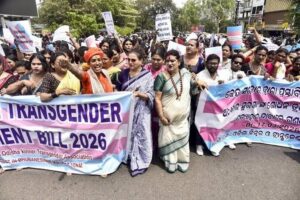
BACKGROUND AND KEY DEVELOPMENTS:
- Government’s Position: Solicitor General Tushar Mehta informed the Supreme Court that the Centre would address practical concerns regarding transgender rights and women-specific protections in its affidavit responding to pending petitions.
- Fresh Petition: Women’s Declaration International argued that recognising transgender identity should not automatically determine eligibility for every constitutional or statutory benefit specifically designed for women.
- Petitioner’s Argument: Senior advocate Akhil Sibal stated that transgender persons should enjoy equal rights, while questions concerning the implications of gender identification for women-specific protections require judicial consideration.
- Court’s Observation: A bench headed by Chief Justice of India Surya Kant acknowledged that the issue was already under consideration and noted the distinct perspective raised by the petitioners.
- Pending Questions: The debate concerns the interpretation of gender identity, eligibility for reserved positions, access to gender-specific facilities and the implementation of protective legal provisions.
PRACTICAL CHALLENGES AND LEGAL CONCERNS
- Electoral Representation: The petition raised concerns about women’s reserved seats in Panchayati Raj institutions and whether eligibility criteria require further legal clarification.
- Prison Administration: The government highlighted questions regarding the placement of transgender women in correctional facilities, raising issues of dignity, safety and appropriate accommodation.
- Sports Participation: The Centre referred to questions about participation in women’s sporting categories, where policymakers may need to consider inclusion alongside sport-specific eligibility rules.
- Police Procedures: Concerns were raised regarding searches and frisking by police personnel, requiring procedures that respect transgender persons’ dignity, privacy and safety.
- Legal Interpretation: Provisions governing arrest, detention and other gender-specific safeguards may require careful interpretation to prevent arbitrary treatment and conflicting applications across jurisdictions.
KEY CONSTITUTIONAL PROVISIONS AND TRANSGENDER RIGHTS● Article 14: Guarantees equality before the law and equal protection of the laws to every person, subject to constitutionally permissible distinctions. ● Article 15: Prohibits discrimination on specified grounds, including sex, and provides the constitutional framework for examining equality-related concerns. ● Article 21: Protects life and personal liberty, supporting the recognition of dignity, privacy and individual autonomy. ● NALSA Judgment, 2014: In National Legal Services Authority v. Union of India, the Supreme Court recognised transgender persons’ right to self-identify their gender and affirmed their fundamental rights. ● Transgender Persons Act, 2019: The legislation provides a statutory framework against discrimination and for protecting transgender persons’ rights, while the 2026 amendment and related challenges raise further questions about the legal framework. |

