 India's No.1 PU & Degree With Integrated IAS & IPS(UPSC/PSC) Training College.


Tibet Earthquake: Deaths and Widespread Destruction
TIBET EARTHQUAKE CAUSES DEATHS AND WIDESPREAD DESTRUCTION
WHY IN NEWS ?
A magnitude 7.0 earthquake struck Baqen County in Nagqu City, Tibet, killing 16 people and injuring more than 54, according to the provided report. The disaster caused building collapses, rockfalls and communication disruptions, prompting large-scale rescue operations amid forecasts of further snowfall.
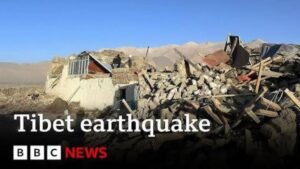
EARTHQUAKE IMPACT AND EMERGENCY RESPONSE IN TIBET:
- Casualties Reported: The earthquake reportedly killed 16 people and injured more than 54, creating an urgent need for medical assistance and emergency relief.
- Structural Damage: At least 339 houses and 20 livestock sheds collapsed, leaving residents vulnerable to cold weather and displacement.
- Rescue Operations: More than 1,600 personnel were deployed to conduct rescue operations, assist affected residents and provide emergency support.
- Infrastructure Disruption: Communication services were interrupted in parts of the region, while railway authorities suspended train services as a precautionary measure.
- Weather Challenges: Intermittent snowfall was forecast for the following three days, raising concerns about rescue operations, shelter arrangements and the safety of displaced communities.
SEISMIC DETAILS AND DISASTER MANAGEMENT CHALLENGES
- Earthquake Location: The earthquake struck Baqen County in Nagqu City, Tibet, approximately 400 kilometres from Lhasa, according to the report.
- Seismic Measurements: India’s National Centre for Seismology (NCS) reported that the earthquake occurred at 8:03 PM Indian Standard Time, at a depth of approximately 173 kilometres.
- Geological Setting: Tibet lies within the seismically active Himalayan–Tibetan region, where the interaction of tectonic plates contributes to frequent earthquakes and associated geological hazards.
- Secondary Hazards: Rockfalls, damaged roads, communication failures and severe weather can complicate evacuation, delay medical assistance and hinder the movement of rescue teams.
- Relief Priorities: Immediate priorities include locating survivors, treating injured people, providing temporary shelters, restoring essential services and assessing the structural safety of damaged buildings.
ABOUT EARTHQUAKES AND DISASTER MANAGEMENT:● Earthquake Definition: An earthquake is the sudden shaking of the Earth’s surface caused by the release of energy within the Earth’s crust, commonly due to movement along faults. ● Magnitude and Intensity: Magnitude measures the energy released by an earthquake, while intensity describes its observed effects on people, buildings and the surrounding environment. ● Focus and Epicentre: The focus, or hypocentre, is the point inside the Earth where an earthquake originates. The epicentre is the point on the surface directly above it. ● India’s Seismic Zones: The Bureau of Indian Standards (BIS) classifies Indian regions into seismic Zones II, III, IV and V, with Zone V representing the highest seismic hazard category. ● Disaster Preparedness: Earthquake-resistant construction, early emergency coordination, public awareness, evacuation planning and resilient communication systems are essential for reducing casualties and strengthening disaster response. |


