 India's No.1 PU & Degree With Integrated IAS & IPS(UPSC/PSC) Training College.


WHO Confirms First Human Shamonda Virus Infection
WHO REPORTS FIRST HUMAN SHAMONDA VIRUS INFECTION
WHY IN NEWS ?
The World Health Organisation (WHO) has reported the first documented human infection with the Shamonda virus in France, following the death of an immunocompromised patient. The development has raised concerns about possible animal-to-human transmission and the need for further investigation into public health risks.
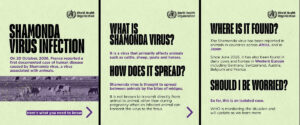
SHAMONDA VIRUS: FIRST DOCUMENTED HUMAN CASE
- First Human Case: The WHO confirmed the first documented human infection with the Shamonda virus in France, where an immunocompromised patient died following the infection.
- Previous Detection: The virus had previously been detected in animals, including cattle, sheep, goats and horses. The reported human case marks a significant development in understanding its potential effects on humans.
- Transmission Route: The virus is believed to spread among animals through the bites of midges, which are small, fly-like insects.
- Scientific Uncertainty: Researchers have not yet established how the infection reached the patient. Further investigation is necessary to determine the transmission pathway and whether human-to-human transmission is possible.
- Public Health Significance: The case highlights the importance of monitoring emerging infectious diseases, particularly infections that may cross species barriers and affect vulnerable individuals.
GLOBAL HEALTH SURVEILLANCE AND EBOLA UPDATE
- Ebola Case: Nigeria has confirmed an imported case of Ebola Bundibugyo virus disease in Abuja, raising the need for rapid public health monitoring.
- Contact Tracing: Health authorities identified 44 contacts associated with the Ebola case for monitoring and follow-up.
- Containment Measures: Contact tracing, isolation of suspected cases, laboratory testing and timely medical intervention are important measures for preventing further transmission.
- International Coordination: The WHO and national health agencies play a key role in sharing information, assessing risks and coordinating responses to infectious disease threats.
- One Health Approach: The simultaneous attention to animal-associated viruses and human outbreaks reinforces the need for integrated surveillance across human, animal and environmental health systems.
About ONE HEALTH AND ZOONOTIC DISEASES:● One Health: The One Health approach recognises that human health, animal health and environmental health are interconnected and require coordinated action. ● Zoonotic Diseases: These are infectious diseases that can spread between animals and humans. Examples include rabies, avian influenza and Ebola, although transmission routes vary by disease. ● Vector-Borne Diseases: These diseases are transmitted through vectors such as mosquitoes, ticks or biting midges. Identifying the vector is essential for effective prevention. ● WHO Role: The World Health Organisation, a specialised agency of the United Nations established in 1948, coordinates international public health efforts and provides technical guidance. |


