 India's No.1 PU & Degree With Integrated IAS & IPS(UPSC/PSC) Training College.


Contraceptive Use in India: Gender Gap
CONTRACEPTIVE USE IN INDIA: GENDER DISPARITY AND THE FUTURE OF MALE CONTRACEPTION
Why in the News?
The WHO has issued new guidelines expanding contraceptive options and, for the first time, established a Target Product Profile for a new generation of reversible male contraceptives. The development is significant for India, where fertility has fallen below replacement level, but contraceptive responsibility remains overwhelmingly concentrated among women, particularly in permanent methods such as sterilisation.
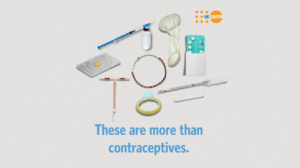
INDIA’S CONTRACEPTIVE LANDSCAPE AND GENDER IMBALANCE
- Fertility Decline: India’s Total Fertility Rate (TFR) has declined substantially over decades, reaching 9 in 2025, below the replacement-level benchmark of approximately 2.1.
- Contraceptive Use: The proportion of currently married women aged 15–49 using any contraceptive method increased from 7% in NFHS-5 to 69.1% in NFHS-6.
- Method Shift: Despite higher overall contraceptive use, reported use of modern methods declined from 56.4% to 52.7%, while traditional methods increased from 10.3% to 16.4%.
- Female Sterilisation: Female sterilisation remains the dominant permanent method, with 5% of married women reporting sterilisation in NFHS-6 compared with 37.9% in NFHS-5.
- Male Sterilisation: Only 5% of men reported male sterilisation in NFHS-6, compared with 0.3% in NFHS-5, demonstrating a persistent and substantial gender disparity.
MALE CONTRACEPTION, CHOICE AND PUBLIC HEALTH
- Invasive Difference: Male sterilisation through vasectomy generally involves a less invasive procedure than female sterilisation and can ordinarily be performed under local anaesthesia.
- Reversible Options: New-generation male contraceptives could provide reversible alternatives, potentially allowing greater sharing of contraceptive responsibility between partners.
- WHO Standards: WHO’s new Target Product Profile establishes desired characteristics for male contraceptives, including safety, effectiveness, acceptability and affordability.
- Choice Matters: Greater contraceptive choice can strengthen reproductive autonomy and gender equality by reducing the concentration of family-planning responsibility on women.
- Policy Opportunity: India’s transition to low fertility provides an opportunity to shift family planning from population-control concerns toward voluntary, rights-based and gender-equitable reproductive healthcare.
POPULATION POLICY AND FAMILY PLANNING IN INDIA● Family Planning: India was the first country to launch a national family-planning programme in 1952, initially focusing strongly on reducing fertility and population growth. ● Population Policy: The National Population Policy, 2000 adopted a broader approach involving reproductive health, contraception, maternal and child health and achieving population stabilisation. ● Replacement Fertility: A Total Fertility Rate of about 2.1 is generally considered the replacement-level fertility benchmark in populations with low mortality. ● NFHS: The National Family Health Survey provides nationally representative data on fertility, contraception, maternal health, child health, nutrition and other population-health indicators. ● Rights-Based Approach: Contemporary family planning increasingly emphasises informed choice, voluntary participation, reproductive autonomy, gender equality and access to safe contraceptive methods, rather than coercive population control. |


