India's No.1 PU & Degree With Integrated IAS & IPS(UPSC/PSC) Training College.


Subansiri Upper Project: Ecology & Forest Impact
SUBANSIRI UPPER HYDROELECTRIC PROJECT: DEVELOPMENT, FOREST DIVERSION AND ECOLOGICAL CONCERNS
Why in the News?
The Expert Appraisal Committee (EAC) of the Environment Ministry has recommended environmental clearance for the 1,605 MW Subansiri Upper Hydroelectric Project (SUHEP) in Arunachal Pradesh. However, the final clearance will depend on Stage-I forest clearance, as the project involves diversion of 2,733 hectares of forest land and felling of approximately 1.35 lakh trees, raising concerns over biodiversity and ecosystem fragmentation.
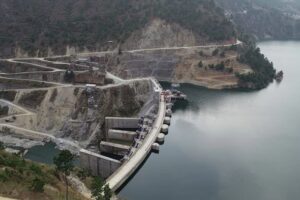
FOREST DIVERSION AND ENVIRONMENTAL IMPACTS OF SUHEP
- Forest Loss: The proposed diversion of 2,733 hectares of forest land and large-scale tree felling could affect forest structure, habitat continuity and associated ecosystem services.
- Biodiversity Threat: Fragmentation caused by infrastructure development may disrupt wildlife movement, habitat connectivity and ecological processes across the Subansiri basin.
- Restoration Plan: The EAC has directed NHPC to prepare a site-specific Ecosystem Restoration and Biodiversity Management Plan with clearly defined timelines and implementation mechanisms.
- Compensatory Afforestation: Around 5,466 hectares of degraded forest land in Madhya Pradesh has been identified for compensatory afforestation, reflecting the special provisions applicable to high-forest-cover States.
- Compliance Concern: The project also highlights implementation challenges because Subansiri Lower, another NHPC project downstream, had faced delays in fulfilling earlier compensatory-afforestation conditions.
HYDROPOWER, DISASTER RISKS AND ENVIRONMENTAL GOVERNANCE
- Project Objectives: SUHEP is designed to generate 1,605 MW of electricity while also contributing to flood moderation, with a proposed storage dam approximately 237 metres high.
- Flood Assessment: The EAC considered peak flood discharge, glacial lake outburst flood scenarios and dam-breach impacts, particularly because downstream infrastructure could face cascading risks.
- Legal Position: The Supreme Court had earlier clarified that proposals for projects upstream of the Subansiri River would be examined independently on their own merits rather than being automatically prohibited.
- Wildlife Clearance: Earlier restrictions associated with the Subansiri Lower project were subsequently modified following intervention by the Supreme Court after a plea by the Arunachal Pradesh government.
- Sustainable Development: The project illustrates the need to balance renewable-energy generation, ecological conservation, disaster resilience and local environmental impacts within India’s development framework.
ENVIRONMENTAL CLEARANCE AND FOREST CONSERVATION IN INDIA● Forest Diversion: Diversion of forest land for non-forest purposes is regulated through the Van (Sanrakshan Evam Samvardhan) Adhiniyam, 1980, requiring prescribed central-level approvals. ● Compensatory Afforestation: When forest land is diverted, compensatory afforestation is undertaken to compensate for the ecological loss, subject to applicable statutory rules and guidelines. ● EAC Function: The Expert Appraisal Committee examines environmental impacts of specified projects and makes recommendations regarding Environmental Clearance under the environmental regulatory framework. ● Forest Clearance: Stage-I forest clearance represents an in-principle approval subject to fulfilment of stipulated conditions, while subsequent compliance determines progression toward final approval. ● Himalayan Ecology: Hydropower development in the Himalayan region requires particular attention to seismic vulnerability, biodiversity, riverine ecosystems, landslides, changing hydrology and climate-induced hazards such as GLOFs. |